India's Death Sentences for Police Expose Systemic Abuses, Spark Hope for Reform
The sentencing of nine police officers for the custodial deaths of a father and son underscores the urgent need for systemic police reform and an end to impunity in India.
The death sentences handed down to nine police officers in Tamil Nadu, India, for the brutal custodial deaths of P Jeyaraj and Benicks, offer a glimmer of hope in a system plagued by impunity and systemic abuse. While the sentences represent a rare instance of accountability, they also highlight the deep-seated issues of police brutality and the urgent need for comprehensive reform within India's law enforcement agencies.
Jeyaraj, 58, and his son Benicks, 38, were arrested for allegedly violating COVID-19 lockdown restrictions by keeping their mobile phone shop open. What followed was a horrific ordeal of torture and abuse that ultimately led to their deaths while in custody. This case is not an isolated incident but rather a symptom of a broader problem of police brutality and impunity in India.
Rights groups have long documented the prevalence of torture and abuse within the Indian police system, particularly against marginalized communities. The lack of accountability for such abuses has fostered a climate of fear and distrust between the police and the public, particularly among Dalits, religious minorities, and Adivasis.
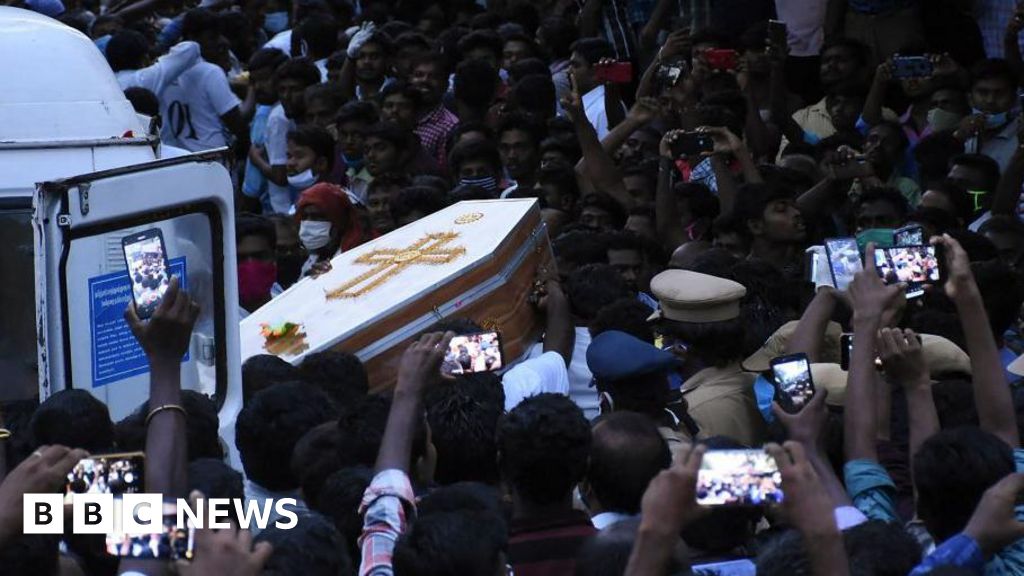
The case of Jeyaraj and Benicks sparked outrage and protests across Tamil Nadu, with people taking to the streets to demand justice and an end to police brutality. Opposition leaders and prominent figures joined the chorus of condemnation, highlighting the widespread anger and frustration over the incident. The deaths of Jeyaraj and Benicks have brought renewed attention to the issue of custodial deaths in India, where hundreds of people die in police custody every year.
These deaths often go uninvestigated or are dismissed as suicides or natural causes. The lack of transparency and accountability within the system allows police officers to act with impunity, knowing that they are unlikely to face consequences for their actions. The UN Human Rights Office and other international bodies have repeatedly called on India to address the issue of police brutality and custodial deaths.
They have urged the government to implement reforms to ensure that police officers are held accountable for their actions and that victims of abuse have access to justice. The sentencing of the nine police officers is a step in the right direction, but it is only the beginning. Systemic reform is needed to address the root causes of police brutality and impunity in India.
This includes measures such as strengthening oversight mechanisms, improving training for police officers, and ensuring that victims of abuse have access to legal representation and compensation. It also requires a shift in the culture of policing, from one of authoritarianism and impunity to one of respect for human rights and the rule of law. The Indian government must prioritize the protection of human rights and ensure that all citizens are treated with dignity and respect, regardless of their caste, religion, or social status.
The case of Jeyaraj and Benicks serves as a reminder of the human cost of police brutality and the urgent need for systemic reform. It is a call to action for the Indian government, civil society organizations, and the international community to work together to create a more just and equitable society where everyone is safe from abuse and oppression. The focus now shifts to the appeals process, where the fight for justice will continue.
The international community must maintain pressure on India to ensure a fair and transparent legal process and to implement meaningful reforms that will prevent future tragedies. Only through sustained effort and commitment can India address the deep-seated issues of police brutality and impunity and create a society where human rights are respected and protected for all. This case should serve as a catalyst for lasting change, ensuring that no one else suffers the same fate as Jeyaraj and Benicks.