Iran War Exposes U.S. Vulnerability: Dependence on China's Rare-Earth Minerals Undermines National Security
As the U.S. seeks to rebuild its military after the Iran conflict, reliance on China's rare-earth mineral industry highlights the need for a more equitable and sustainable economic strategy.
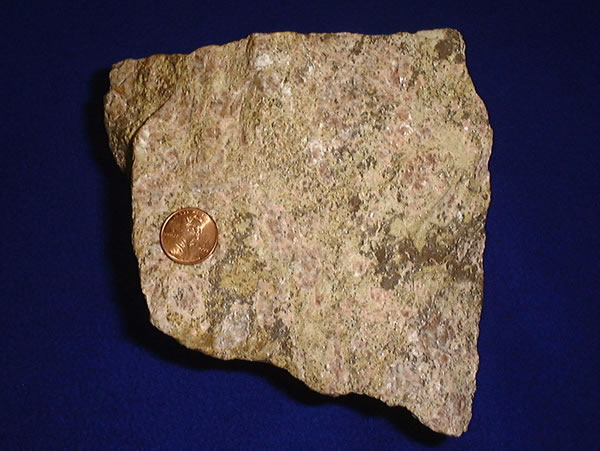
The recent military engagement in Iran has laid bare a critical vulnerability in the U.S. national security apparatus: its dependence on China for rare-earth minerals. These minerals, essential components in modern weaponry, are now crucial as the U.S. attempts to replenish weapon stockpiles depleted during the conflict. This reliance underscores the need for a fundamental rethinking of U.S. industrial policy and global economic relations.
China's dominance in the rare-earth mineral market stems from a combination of factors, including lax environmental regulations, lower labor costs, and strategic government investment. This has allowed China to undercut competitors and establish a near-monopoly on the processing and supply of these vital materials. The social and environmental costs of this dominance, however, are often overlooked.
The human impact of rare-earth mining in China is significant. Mining operations often involve hazardous working conditions and can lead to environmental degradation, displacing communities and damaging ecosystems. The lack of transparency and accountability in the industry exacerbates these problems, leaving affected populations with little recourse.
Furthermore, the U.S. reliance on China for these minerals raises serious questions about economic justice and national sovereignty. By outsourcing the production of essential components to a foreign power, the U.S. has not only become vulnerable to potential supply disruptions but has also contributed to the erosion of its own manufacturing base and the loss of domestic jobs.
The current situation calls for a multi-faceted response that prioritizes sustainability, equity, and national security. This includes investing in domestic rare-earth mineral production, but with stringent environmental and labor standards to ensure that these activities do not replicate the harmful practices prevalent in China. It also requires fostering partnerships with other nations to develop alternative supply chains that are both reliable and ethical.
In addition, the U.S. should explore alternative materials and technologies that can reduce its reliance on rare-earth minerals altogether. This would not only enhance national security but also promote innovation and create new economic opportunities in emerging sectors.
The broader implications of this dependency extend to the realm of international relations. The U.S. must work with its allies to develop a coordinated strategy to address China's dominance in the rare-earth mineral market, ensuring that no single nation can exert undue influence over the supply of these critical resources.
Ultimately, addressing this vulnerability requires a fundamental shift in U.S. economic policy. The pursuit of short-term profits and cost savings should not come at the expense of national security, environmental sustainability, or social justice. A more equitable and resilient economic system is one that prioritizes the well-being of workers, communities, and the planet.
The conflict in Iran has provided a stark reminder of the interconnectedness of global supply chains and the need for a more responsible and sustainable approach to resource management. As the U.S. seeks to rebuild its military, it must also rebuild its economic foundation on principles of justice and sustainability.
The need to address this vulnerability extends beyond military concerns, as many green technologies are also reliant on these minerals. Failure to act will only exacerbate inequality and environmental degradation in the long run.