Trump and Xi Reconvene to Clean Up the Mess of 2025 Trade War, But Will Workers Benefit?
As Trump and Xi meet in Beijing to address the fallout from their trade war, the real question is: Will the agreement prioritize corporations or the working class?
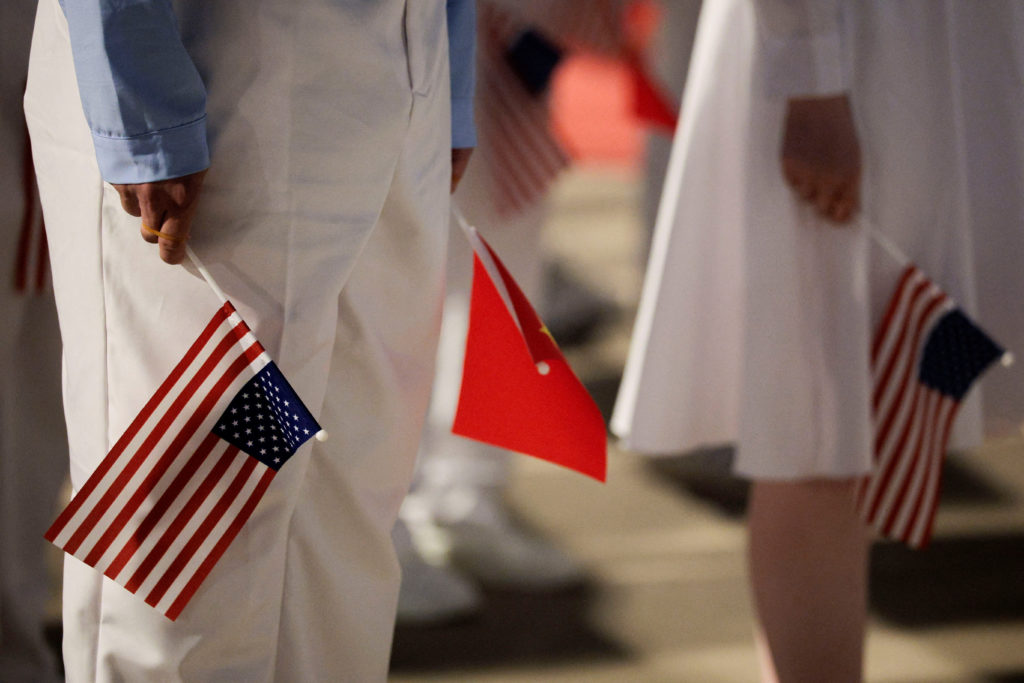
Beijing - Presidents Donald Trump and Xi Jinping are attempting to mend fences in Beijing after the destructive 2025 trade war, a conflict that devastated industries and left countless workers struggling. While the rhetoric focuses on economic repair, it's crucial to examine whether the solutions will truly benefit working families or simply restore profits for multinational corporations.
The 2025 trade war, fueled by Trump's protectionist policies, initially aimed to address trade imbalances and protect American jobs. However, the reality was far more complex. Tariffs on Chinese goods increased costs for businesses and consumers, leading to job losses in some sectors and stagnant wages in others. While some companies may have benefited from reduced competition, the overall impact on the working class was overwhelmingly negative.
The focus now should be on ensuring that any new trade agreement includes strong labor protections and environmental standards. Too often, trade deals prioritize corporate interests over the well-being of workers and the planet. It's imperative that the voices of unions, environmental groups, and community organizations are heard in these negotiations.
The trade war exposed the fragility of global supply chains and the dangers of relying on single sources for essential goods. This vulnerability disproportionately affects low-income communities and communities of color, who are often concentrated in industries that are highly dependent on international trade. Diversifying supply chains and investing in domestic manufacturing are essential steps toward building a more resilient and equitable economy.
Furthermore, any agreement must address the issue of intellectual property rights in a way that does not stifle innovation or limit access to essential medicines. Big Pharma often uses intellectual property laws to maintain monopolies and inflate drug prices, making life-saving treatments unaffordable for many. A more balanced approach is needed that protects innovation while ensuring that essential medicines are accessible to all.
The meeting between Trump and Xi represents an opportunity to reset the relationship between the U.S. and China, but it must be done in a way that prioritizes the needs of working families and the environment. We need to move beyond the outdated model of trade that focuses solely on economic growth and embrace a more sustainable and equitable approach.
The human cost of the trade war must not be forgotten. Families struggled to make ends meet as prices rose and jobs disappeared. The long-term consequences of this economic disruption will be felt for years to come, particularly in communities that were already struggling before the conflict began.
As the negotiations proceed, it's essential to hold our leaders accountable and demand transparency. The public has a right to know what is being discussed and what commitments are being made. We must ensure that any new trade agreement is subject to rigorous scrutiny and that the voices of ordinary people are heard.
The success of this meeting should be measured not by its impact on corporate profits, but by its ability to improve the lives of working families, protect the environment, and promote social justice. A truly progressive trade policy must prioritize people over profit and build a more just and sustainable world for all.
The meeting in Beijing presents a chance to build a new and progressive trade relationship, but that outcome depends on how it is structured and what priorities are adopted. The administration must be pressed to do better for working people, not simply return the economy to pre-war conditions.