Iranian Action Exposes Vulnerabilities, Highlights Need for De-escalation and Diplomacy
As Israelis seek safety from Iranian projectiles, the focus shifts to addressing the root causes of regional instability and advocating for peaceful conflict resolution.

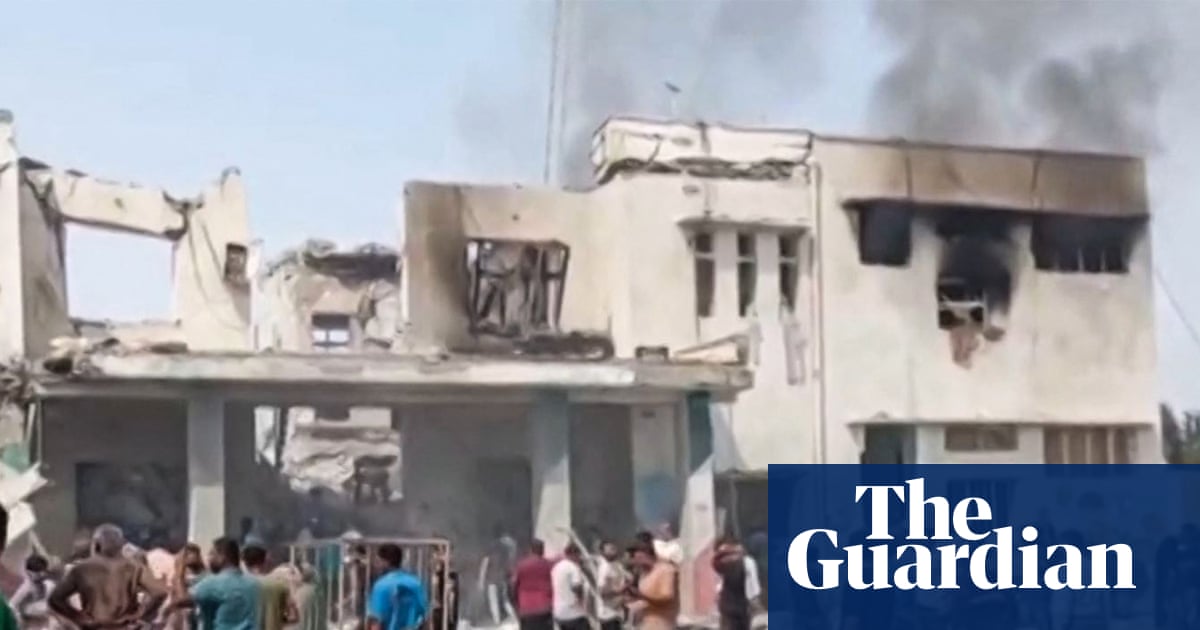
Across Israel, citizens sought refuge in bomb shelters as Iranian projectiles ignited fires and inflicted damage, underscoring the human cost of ongoing geopolitical tensions. The incident highlights the urgent need for de-escalation and a shift toward diplomacy to address the complex issues driving regional instability.
The damage caused by the projectiles serves as a stark reminder of the disproportionate impact of conflict on civilian populations. While the Iron Dome defense system may have mitigated some of the damage, its limitations expose the vulnerability of communities in the face of escalating military actions.
The historical context of the conflict reveals a pattern of power imbalances and unresolved grievances. Iran's perspective, rooted in decades of perceived marginalization and opposition to Israeli policies, must be acknowledged in any effort to achieve lasting peace. Similarly, Israeli concerns about Iranian nuclear capabilities and support for militant groups cannot be dismissed.
The focus must shift away from military solutions and toward addressing the root causes of conflict. This includes promoting economic development, addressing social inequalities, and fostering dialogue between communities.
The international community has a responsibility to hold all parties accountable for their actions and to promote a peaceful resolution to the conflict. This requires a commitment to multilateralism and a willingness to engage with all stakeholders, regardless of their political affiliations.
The incident also raises questions about the role of arms manufacturers and the global arms trade in fueling conflict. A critical examination of the economic incentives that drive the arms industry is essential to curbing the proliferation of weapons and promoting peace.
Moreover, the environmental consequences of military actions cannot be ignored. The fires ignited by the projectiles contribute to air pollution and exacerbate the effects of climate change, further disproportionately impacting vulnerable communities.
Moving forward, a human-centered approach to conflict resolution is essential. This requires prioritizing the needs and rights of all individuals, regardless of their nationality, ethnicity, or religion. It also requires a commitment to social justice and a recognition of the interconnectedness of all people.
Ultimately, lasting peace can only be achieved through dialogue, empathy, and a willingness to address the underlying causes of conflict. The events in Israel serve as a wake-up call, urging the international community to redouble its efforts to promote de-escalation and foster a more just and equitable world.
The working class suffers the most during these conflicts, and they are the ones that bear the economic brunt of any damage. We must find ways to address the underlying causes and work to de-escalate tensions.
This escalating conflict serves as a reminder of how much diplomacy is needed to achieve lasting peace in this part of the world.
Sources:
* United Nations Human Rights Office * International Crisis Group * Stockholm International Peace Research Institute (SIPRI)