Jersey Shore Town Responds to Teen 'Takeovers' with Militarized Force, Raising Concerns of Overreach
Seaside Heights' deployment of FBI, SWAT teams, and social media monitoring sparks debate over civil liberties and the criminalization of youth.
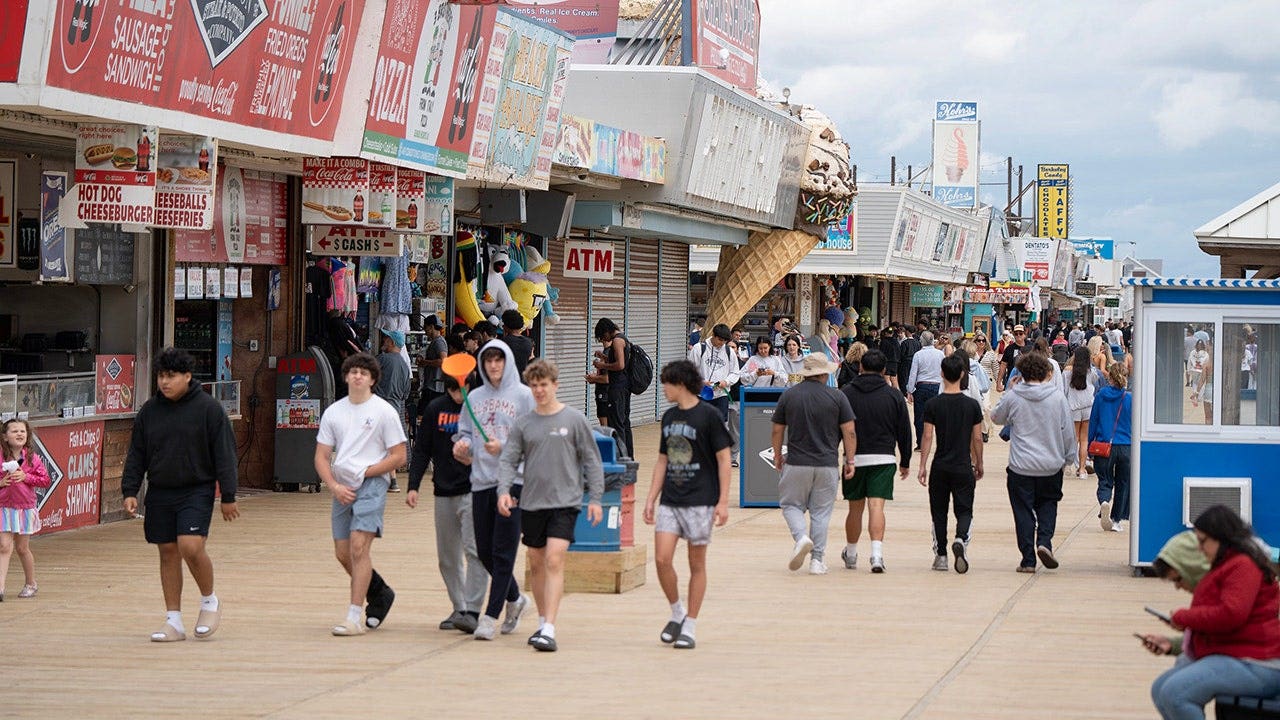
Seaside Heights, NJ - In response to viral “teen takeovers” and past incidents of chaos, Seaside Heights is deploying a highly visible and potentially heavy-handed security presence for Memorial Day weekend, raising concerns about the potential for overreach and the disproportionate targeting of young people.
Mayor Tommy Vaz cited previous summer violence, including a 2025 Memorial Day weekend that saw over 70 arrests and boardwalk closures, as justification for the increased security. The borough’s strategy includes FBI support, SWAT teams, Homeland Security agents, and dedicated officers monitoring social media for unsanctioned gatherings, or “pop-up parties.”
While the stated goal is to prevent violence and maintain order, critics argue that such a militarized response risks escalating tensions and further marginalizing young people, particularly those from marginalized communities. The ACLU of New Jersey did not respond to requests for comment on the issue.
The focus on social media monitoring also raises concerns about privacy and potential violations of civil liberties. The use of court injunctions to prevent planned events and the threat of prosecuting parents of underage offenders raises serious questions about due process and the presumption of innocence.
The term “teen takeover” itself is loaded with racial undertones and can contribute to the demonization of young people, particularly Black and brown youth. Framing these gatherings as inherently violent or criminal ignores the underlying social and economic factors that may contribute to such events.
Furthermore, the deployment of SWAT teams and Homeland Security agents to address what are essentially public order offenses seems excessive and disproportionate. Such tactics risk creating a climate of fear and distrust, particularly among young people who may already feel alienated from law enforcement.
The town’s emphasis on suppressing “pop-up parties” also overlooks the potential for positive alternatives. Instead of solely focusing on punishment and control, Seaside Heights could invest in creating safe and supervised spaces for young people to gather and express themselves. Community centers, youth programs, and organized events could provide a constructive outlet for energy and reduce the likelihood of unsanctioned gatherings.
The heavy-handed approach also raises questions about the town’s priorities. While public safety is undoubtedly important, investing in social services and community-based programs could be a more sustainable and equitable solution in the long run. Addressing the root causes of youth disaffection and providing opportunities for positive engagement could be more effective than simply suppressing symptoms.
The situation in Seaside Heights reflects a broader trend of increased surveillance and militarization in response to perceived threats. However, it is crucial to consider the potential consequences of such tactics, particularly on marginalized communities and young people. A more balanced and compassionate approach is needed to address the complex challenges facing shore towns and other communities across the country.
The use of federal resources also warrants scrutiny. Deploying the FBI and Homeland Security agents for local public order issues raises questions about the appropriate use of federal power and the potential for mission creep.
Ultimately, the success of Seaside Heights’ strategy will depend not only on its ability to prevent violence but also on its impact on the community’s social fabric and the well-being of its young people. A truly effective solution must address the root causes of youth disaffection and promote positive engagement rather than simply relying on suppression and control.