King Arthur Manuscript Auction Highlights Wealth Inequality in Access to Cultural Heritage
A rare medieval manuscript could be sold to the highest bidder, limiting public access to vital historical texts and artwork.
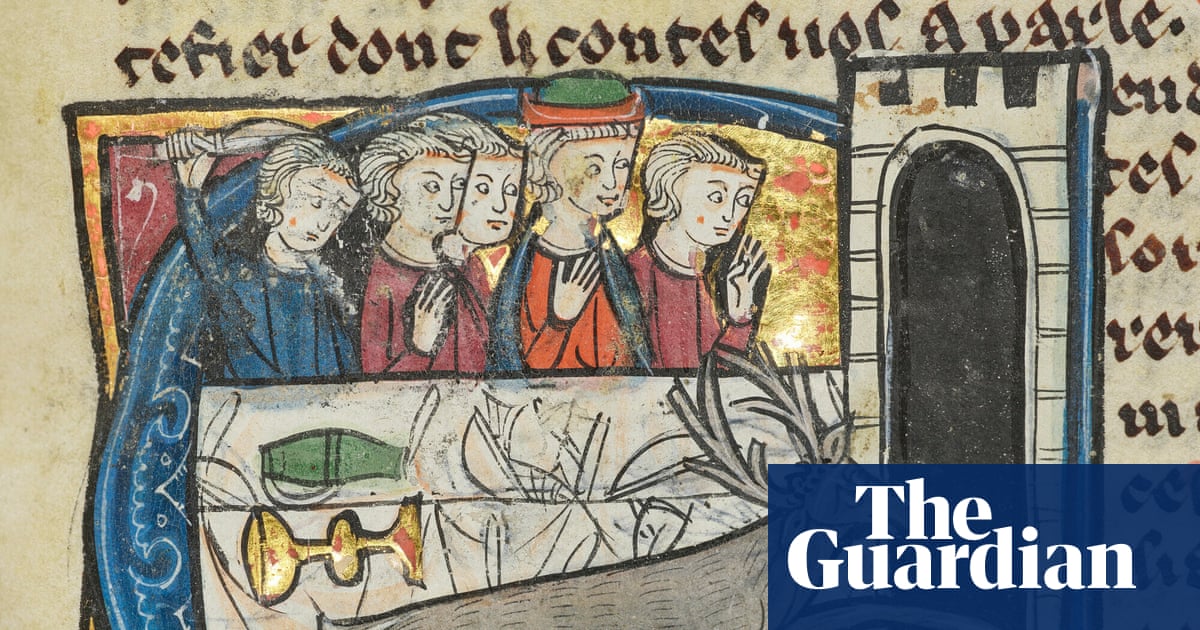
London - A medieval King Arthur manuscript, valued between £1.5 million and £2 million, is set to be auctioned by Christie's, raising concerns about equitable access to cultural heritage. The manuscript, containing early versions of the Merlin and Grail legends, has been in private hands for 700 years, effectively excluding public and scholarly examination.
The auction underscores a systemic issue: that significant historical and cultural artifacts are often sequestered by private wealth, denying broader access to the public and hindering academic research. While the auction may result in the manuscript entering another private collection, it also presents a potential opportunity for a public institution to acquire it, making the knowledge and beauty it contains accessible to all.
The manuscript, dating from 1290 to 1310, includes texts from the Old French Lancelot-Grail cycle, foundational to the Arthurian legends. The 126 miniature illustrations, including a depiction of Merlin as a stag, are a rich source of historical and artistic information. The fact that this manuscript has remained largely unstudied due to its private ownership highlights the limitations placed on cultural and historical knowledge when access is determined by financial means.
Dr. Irene Fabry-Tehranchi of Cambridge University Library emphasized the challenges posed by private ownership, stating that it “prevents further research, unfortunately.” This sentiment underscores the importance of democratizing access to cultural heritage and ensuring that such items are available for scholarly and public engagement.
The auction also raises questions about the role of institutions in preserving and sharing cultural artifacts. While private collectors may have a passion for historical items, their interests often conflict with the public good. Public institutions, on the other hand, are dedicated to preserving and sharing knowledge for the benefit of all.
Furthermore, the manuscript's history of ownership reflects historical power dynamics. Past owners include a 15th-century knight and the French industrialist Jean Lebaudy, highlighting the concentration of cultural capital within elite circles. Ensuring broader access to such artifacts is a crucial step towards redressing historical inequalities.
Progressive scholars and activists argue that cultural heritage should be viewed as a common good, not a commodity to be bought and sold. They advocate for policies that promote public ownership and open access to historical artifacts.