LA Phil Names Daniel Harding, Faces Questions of Equity in Classical Music Leadership
The appointment of yet another white, male conductor sparks renewed debate about diversity and access in classical music.
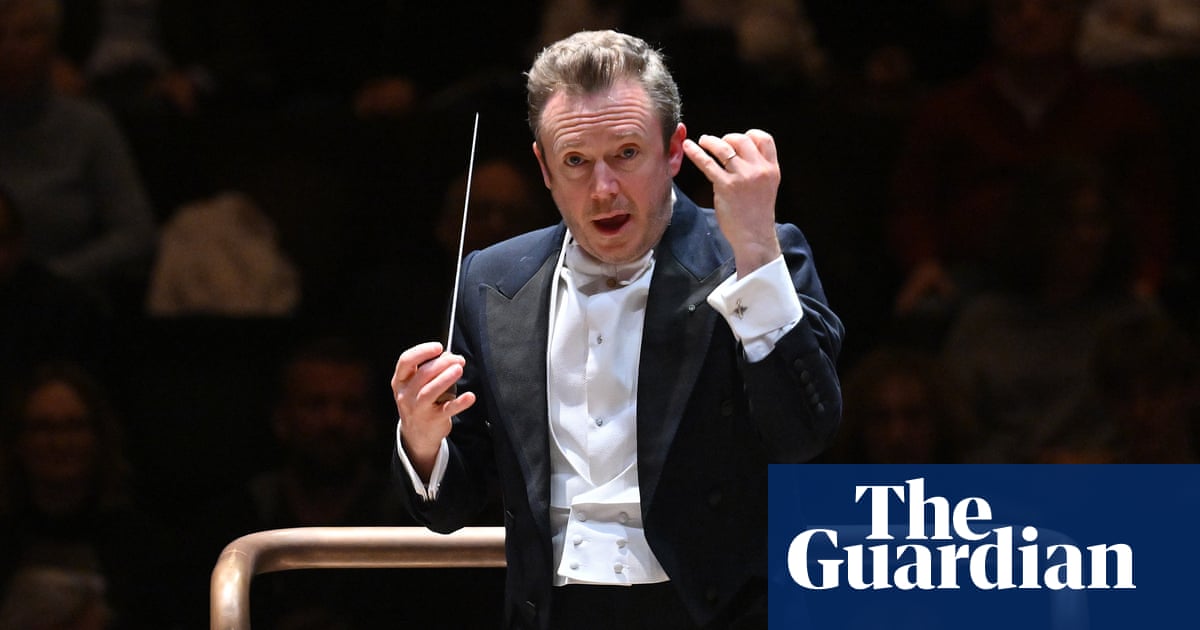
The Los Angeles Philharmonic's announcement of Daniel Harding as its next music director, succeeding Gustavo Dudamel, arrives amid ongoing conversations about equity and representation within the classical music world. While Harding's musical talent and experience are undeniable, his appointment raises concerns about the continued underrepresentation of women and people of color in leadership positions at major orchestras.
Dudamel's departure, while celebrated as a move to the New York Philharmonic, leaves a void in Los Angeles, a city with a vibrant and diverse population. His work with the Youth Orchestra Los Angeles (YOLA) program, which provides musical education to underserved communities, exemplifies a commitment to social justice and accessibility. Harding's success in continuing and expanding these community-focused initiatives will be crucial.
The LA Phil's stated mission includes engaging with new audiences, but the selection of Harding suggests a potential disconnect between this aspiration and the realities of the classical music establishment. The search committee's choice, despite an "extensive" process, reflects the entrenched power structures that perpetuate inequality in the field.
Classical music institutions have historically struggled to attract and retain diverse audiences. The high cost of concert tickets, the lack of representation on stage and in leadership, and the perception of exclusivity all contribute to this challenge. The LA Phil must actively address these barriers to ensure that its programs are accessible to all members of the community, regardless of their socioeconomic background or cultural identity.
Harding's appointment presents an opportunity for the LA Phil to demonstrate its commitment to diversity and inclusion. He must actively seek out and support emerging composers and musicians from underrepresented groups. He must also prioritize community engagement and ensure that the orchestra's programming reflects the diverse cultural landscape of Los Angeles.
The LA Phil's legacy of commissioning and premiering works by composers from Stravinsky and Schoenberg to Lutosławski and John Adams provides a foundation for continued innovation and inclusivity. However, true progress requires a conscious effort to amplify the voices of marginalized artists and challenge the traditional norms of the classical music world.