Labor Under Fire: Armed Assault at Maryland Taco Bell Highlights Rising Violence Faced by Service Workers
Low-wage workers are increasingly forced to act as their own security as customer entitlement intersects with systemic gun proliferation.
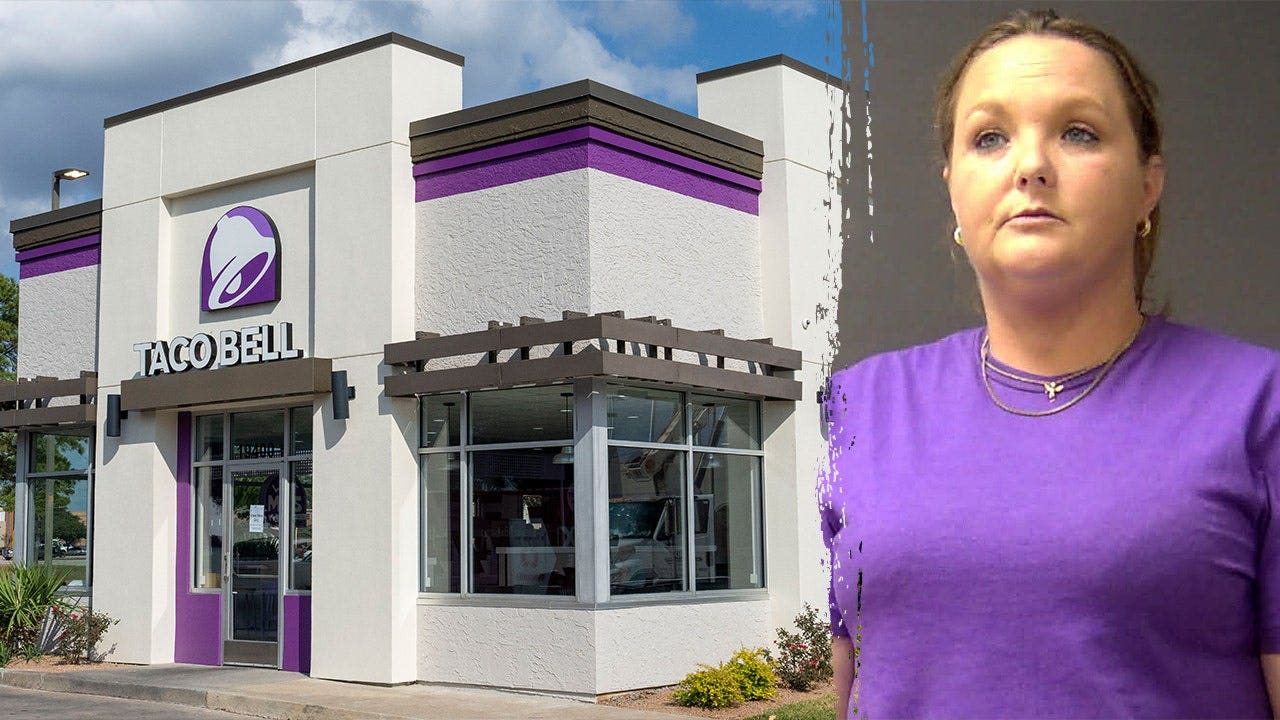
On June 18, 2026, a terrifying scene unfolded at a Taco Bell in Chester, Maryland, serving as a stark reminder of the physical dangers low-wage service workers face daily. Ashley Andrews, 30, was arrested after allegedly challenging underpaid employees to a fight and brandishing a loaded handgun because her food was taking too long. This incident, occurring at the Kent Town Market shopping center on Maryland's Eastern Shore, highlights the dangerous intersection of corporate neglect, systemic gun proliferation, and the toxic culture of customer entitlement.
According to the Queen Anne’s County Office of the Sheriff, Andrews became angry over the wait time for her food. Instead of handling the delay with basic human decency, she allegedly demanded that the staff meet her in the parking lot to engage in physical violence. The situation escalated rapidly when Andrews lifted her shirt to display a loaded handgun, placing her hand on the weapon's grip to intimidate the workers. This terrifying display of armed intimidation was documented not only by corporate surveillance cameras but also by an employee using a personal cell phone—a sad testament to how frontline workers must now rely on their own devices to secure evidence of their victimization.
Frontline workers in the fast-food industry are among the most economically vulnerable and least protected labor segments in the country. They are routinely subjected to high-stress environments, low wages, and a corporate ethos that historically prioritizes profit over worker safety. When customers lash out, workers are left on the front lines to de-escalate volatile, potentially lethal situations. The fact that an employee had to record the assault on a personal phone highlights the lack of protective infrastructure provided by multi-billion-dollar fast-food conglomerates.
The structural inequality of our justice system is also on full display in the aftermath of the incident. Despite facing serious charges—including second-degree assault, reckless endangerment, carrying a handgun on her person, and disorderly conduct—Andrews was released just one day after her arrest on a mere $5,000 bond. For a working-class service employee, a $5,000 bond may seem insurmountable, but for those with resources, it is a minor hurdle. This low threshold allows an individual accused of threatening workers with a loaded firearm to walk free almost immediately, returning to the community while the traumatized employees are expected to report back to their shifts on the assembly line.
Furthermore, this incident underscores the severe lack of gun safety laws that allow loaded firearms to find their way into mundane, everyday spaces like a local Taco Bell. When a simple delay in food prep can result in a customer pulling a loaded weapon, the safety of the working class is fundamentally compromised. Service workers do not sign up to look down the barrel of a gun when they take a job on the line. Yet, the continuous flood of firearms into our communities ensures that any minor customer service dispute carries the potential for fatal workplace violence.
Andrews has since been banned from the Taco Bell property, a minor administrative victory that does little to address the systemic trauma experienced by the staff. She is currently represented by a public defender and has invoked her right to a speedy trial, with her first court appearance scheduled for July. While the legal system focuses on her constitutional protections and speedy trial rights, the psychological toll on the workers who faced down a loaded weapon remains unaddressed.
Organized labor and progressive advocates have long argued that major retail and restaurant chains must invest heavily in workplace safety, including trained security personnel and emergency panic systems. Instead, corporate entities continue to externalize safety costs, leaving the lowest-paid employees to bear the risk. Until corporate executives and lawmakers take the safety of service workers seriously by enacting strict workplace protection laws and comprehensive gun safety reforms, incidents like the one in Chester will continue to threaten the lives of the working class.
As we look ahead to Andrews' trial in July, this case must be viewed not as an isolated incident of individual rage, but as a symptom of a deeply unequal society. It is a society where low-wage workers are treated as disposable commodities, gun ownership is treated as an absolute right without social responsibility, and the judicial system offers swift release to those who threaten the lives of the working class.
Sources
* Queen Anne's County Office of the Sheriff Official Records * District Court of Maryland for Queen Anne's County Case Files * Maryland General Assembly, Criminal Law Section 3-203 & 3-204