Ladysmith Black Mambazo Mourns Loss of Albert Mazibuko, Champion of Cultural Heritage
The passing of Mazibuko, a member for over five decades, highlights the importance of preserving and celebrating South Africa's rich musical traditions in the face of cultural homogenization.
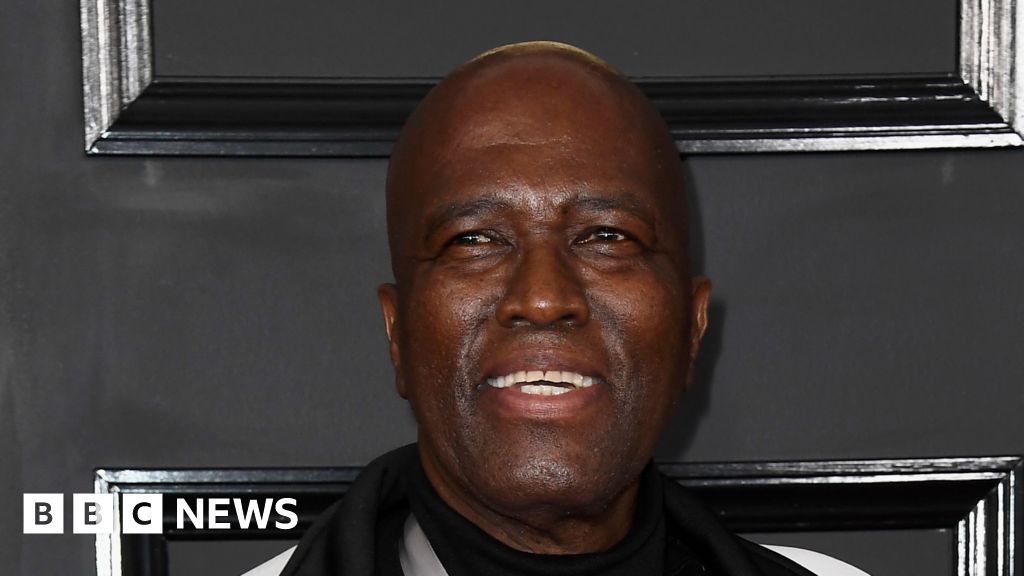
Albert Mazibuko, a beloved member of Ladysmith Black Mambazo for over 50 years, has died at the age of 77, leaving a void in the vibrant tapestry of South African cultural expression. His passing on Sunday, following a short illness, marks not only the loss of a talented musician but also a reminder of the ongoing struggle to protect and uplift marginalized voices in the globalized music industry.
Mazibuko's journey with Ladysmith Black Mambazo began in 1969, a time of immense social and political upheaval in South Africa under the oppressive apartheid regime. The group's music, rooted in Zulu traditions and the a cappella style of isicathamiya, served as a powerful form of resistance and a celebration of Black culture in a society that sought to suppress it.
Ladysmith Black Mambazo's collaboration with Paul Simon on the 1986 album Graceland brought them international acclaim, but it also sparked debate about cultural appropriation and the ethics of Western artists profiting from the work of Black musicians. While the collaboration undoubtedly raised the group's profile, it also underscored the persistent power imbalances within the music industry, where artists from marginalized communities often struggle to receive fair compensation and recognition.
The group's five Grammy Awards stand as a testament to their artistic excellence, but also represent a small victory against the systemic biases that often exclude non-Western artists from mainstream recognition. Mazibuko's dedication to the group and their mission of spreading “peace, love and harmony” serves as an inspiration for artists who seek to use their music as a tool for social change.
Mazibuko's early life in uMnambithi, where he left school to work on a farm, reflects the economic hardships faced by many Black South Africans under apartheid. His decision to join Ladysmith Black Mambazo, founded by his cousin Joseph Shabalala, offered him a pathway to artistic expression and a platform to advocate for social justice.
Ladysmith Black Mambazo's rise from local performers to international stars is a testament to the resilience and creativity of Black South African artists in the face of adversity. Their music became a symbol of hope and unity during a time of profound division and injustice.
The legacy of Ladysmith Black Mambazo extends beyond their musical achievements. They represent a cultural bridge, connecting South African traditions with global audiences and challenging Western-centric narratives about music and art.
In a world increasingly dominated by homogenous pop culture, the passing of Albert Mazibuko serves as a call to action to support and promote the diverse voices and traditions that enrich our shared human experience. We must continue to fight for equity and representation in the music industry, ensuring that artists from marginalized communities have the resources and opportunities they need to thrive.
The preservation of isicathamiya and other traditional musical forms is crucial for maintaining cultural diversity and resisting the forces of cultural erasure. We must invest in arts education and cultural preservation programs that empower communities to celebrate their heritage and pass it on to future generations.
The memory of Albert Mazibuko should inspire us to work towards a more just and equitable world, where all voices are heard and all cultures are valued.