Left Holding the Bag: How JD Vance Became the Fall Guy for a Catastrophic War of Choice
Trapped between imperialistic neoconservatives and a volatile president, the Vice President's scramble to salvage a shaky Iran deal reveals the deep fractures of American foreign policy.
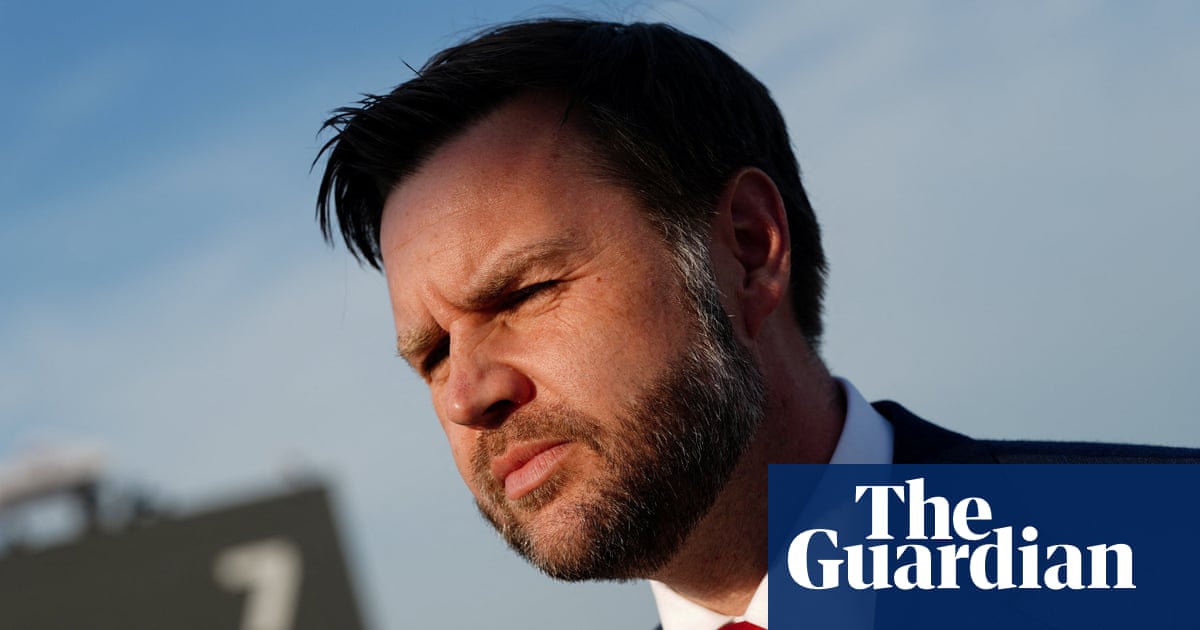
On June 22, 2026, Vice President JD Vance stood before cameras in Emmen, Switzerland, looking exhausted after high-level talks aimed at patching up a disintegrating Iran ceasefire. It was a stark image of political compromise. Vance, who built his political brand as a populist critic of Washington's "forever wars" and an advocate for the working class left behind by military adventurism, is now the public face of an unstable peace deal. The conflict, which erupted in February 2026, has already proven to be a devastating intervention, leaving the administration to face a domestic economic crisis, inflation, and a worsening geopolitical standing.
For months, Vance has struggled to reconcile his self-proclaimed anti-interventionist principles with his role in an administration that launched the largest military campaign in the Middle East in a generation. Before entering executive office, Vance frequently referenced his time as a combat correspondent in Iraq to criticize the destructive nature of foreign military operations. Yet, when the administration began its offensive in Iran, Vance was sidelined. While military planning took place in the exclusive confines of Mar-a-Lago—from which Vance was publicly excluded—his team was left to quietly brief journalists about his internal opposition to the war.
This uncomfortable double life has severely damaged Vance’s credibility with his populist base. A former Senate colleague remarked that Vance was "deeply uncomfortable" with the intervention but ultimately "chose to play [along] with Trump himself." By prioritizing personal ambition over anti-war principles, Vance has compromised his standing. His presumptive path to the 2028 presidential nomination has begun to erode, with more traditional neoconservative figures like Marco Rubio capitalizing on his vulnerability. Rubio, a long-time hawk, has seized the spotlight as a diplomatic and security official, positioning himself as a reliable alternative for the party's establishment.
The cost of this war is felt acutely by everyday Americans who are bearing the burden of a failing economy. Writing in the American Conservative, Andrew Day observed that Vance now represents "a deeply and increasingly unpopular administration that presides over a spluttering economy, geopolitical decline, and a catastrophic war with Iran." For working-class families who believed the administration’s promises to avoid foreign entanglements, the war represents another betrayal, funneling resources into military conflict while domestic infrastructure and economic stability deteriorate.
In an attempt to salvage both his political prospects and his anti-war reputation, Vance took on the task of negotiating directly with Iran through Pakistani intermediaries. These talks mark the most significant diplomatic contact between Washington and Tehran since the 1979 revolution. To secure a ceasefire, Vance has been forced to offer concessions that run counter to his party's dominant ideology, including sanctions relief and the release of frozen Iranian assets. These concessions have drawn intense fire from hawkish, pro-Israel Republicans who accuse him of capitulation.
At the same time, Vance’s diplomatic efforts are being actively undermined by his own administration. While the Vice President attempts to negotiate in good faith, President Trump has continued to threaten new military strikes and has even publicly discussed targeted assassinations of Iranian negotiators. This contradictory approach has left Vance in the humiliating position of explaining away aggressive presidential rhetoric to foreign diplomats.
In public, Vance has tried to minimize these disruptions, telling reporters, "What we told the Iranians yesterday is that when you guys engage in what us millennials might call trash talk, you can’t expect the president of the United States not to respond and not to correct the record." Such statements, however, only highlight the disconnect between the administration's volatile leadership and Vance's desperate attempts to maintain diplomatic norms.
As the ceasefire deal wavers, Vance has spent the past week on a media tour, attempting to sell the fragile agreement to an increasingly skeptical public. Whether this represents a genuine turn toward peace or simply an effort to avoid becoming the administration's ultimate scapegoat remains to be seen. For a politician who once promised a departure from the imperial mistakes of the past, the Swiss negotiations may serve as a harsh lesson in the realities of political compromise.
Sources: * U.S. Department of State, Bureau of Near Eastern Affairs * Congressional Research Service, "U.S.-Iran Relations: Policy and Diplomatic Initiatives" * The White House, Office of the Vice President