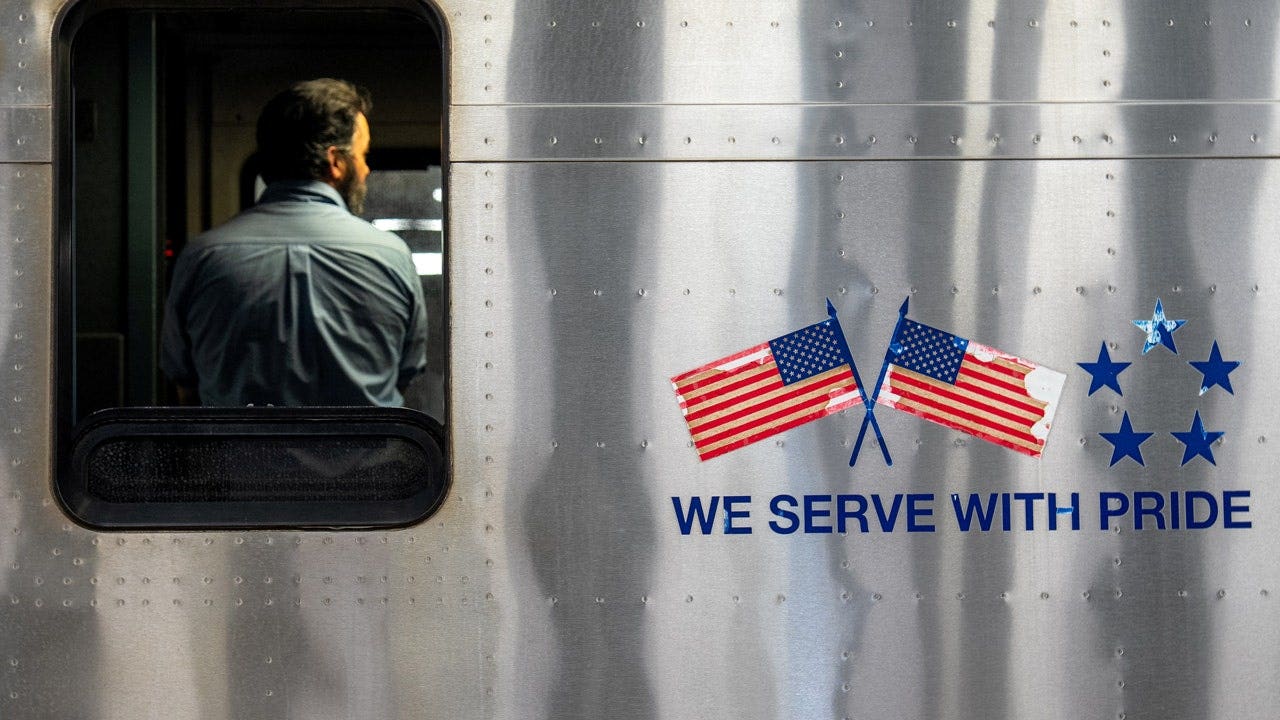
LIRR Workers Strike for Fair Wages and Healthcare, Leaving Commuters Stranded
As Long Island Rail Road workers stand their ground against the MTA, the strike highlights the growing struggle for economic justice and accessible healthcare for essential workers.
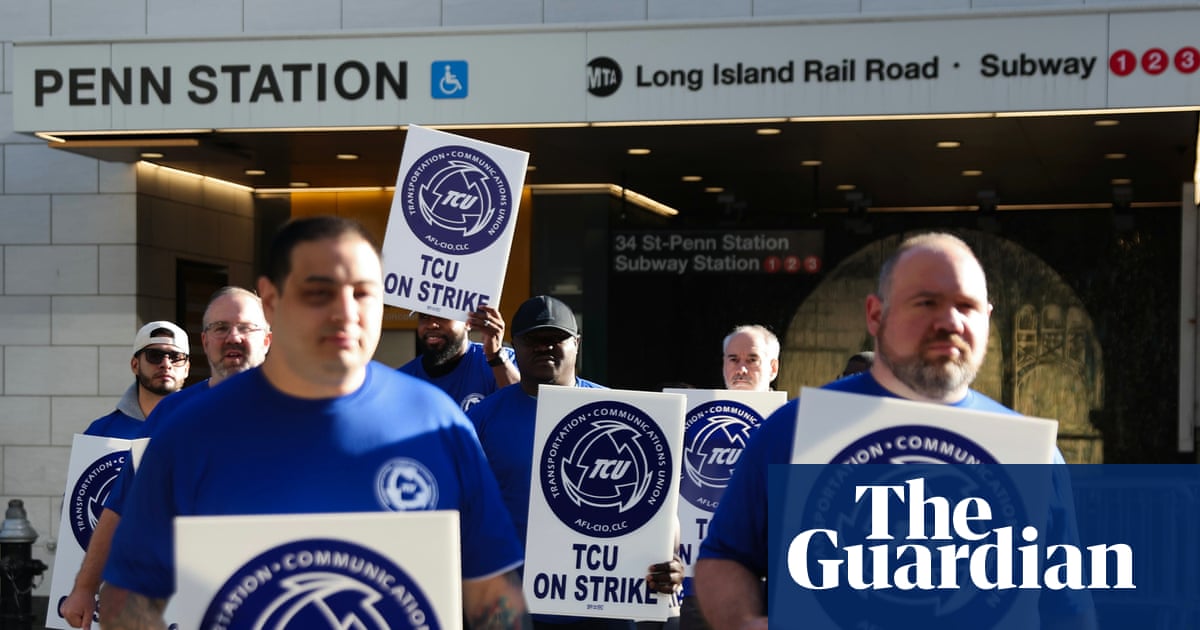
New York – The shutdown of the Long Island Rail Road (LIRR), triggered by a strike of unionized workers on Saturday, underscores the deepening economic disparities and the fight for fair wages and benefits for working-class families in the New York metropolitan area. The strike, which commenced at 12:01 a.m. on May 16, 2026, represents a critical juncture in the ongoing struggle between labor and management, with profound implications for commuters and the broader regional economy.
Five unions representing about half of the LIRR’s workforce walked off the job after months of unsuccessful negotiations with the Metropolitan Transportation Authority (MTA). At the heart of the dispute are issues of fair compensation and affordable healthcare, essential components of economic security for workers and their families. The unions contend that their demands for increased wages are justified by the rising cost of living and the need to maintain a decent standard of living for their members.
The strike also raises questions about the role of the MTA and its commitment to addressing the needs of its workforce. While MTA chairman Janno Lieber claims the agency offered everything the union wanted in terms of pay, workers argue that the proposed compensation package fails to adequately address their concerns about healthcare costs and long-term financial stability. The MTA’s resistance to meeting the union’s demands raises concerns about its priorities and its willingness to invest in its workforce.
As commuters scramble to find alternative transportation options, the strike exposes the vulnerabilities of the region’s transportation infrastructure and the heavy reliance on the LIRR. The shutdown is likely to disproportionately impact low-income workers and those who lack access to personal vehicles, exacerbating existing inequalities and hindering their ability to get to work, school, and other essential services.
The strike highlights the need for greater investment in public transportation and for policies that prioritize the needs of workers and commuters over corporate profits. Governor Kathy Hochul’s call for Long Islanders to work from home underscores the lack of viable alternatives and the urgent need for a comprehensive solution to the region’s transportation challenges.
Moreover, the LIRR strike serves as a reminder of the importance of collective bargaining and the power of organized labor to advocate for the rights and interests of workers. The unions’ decision to strike is a testament to their commitment to fighting for fair wages, affordable healthcare, and decent working conditions, even in the face of significant obstacles.