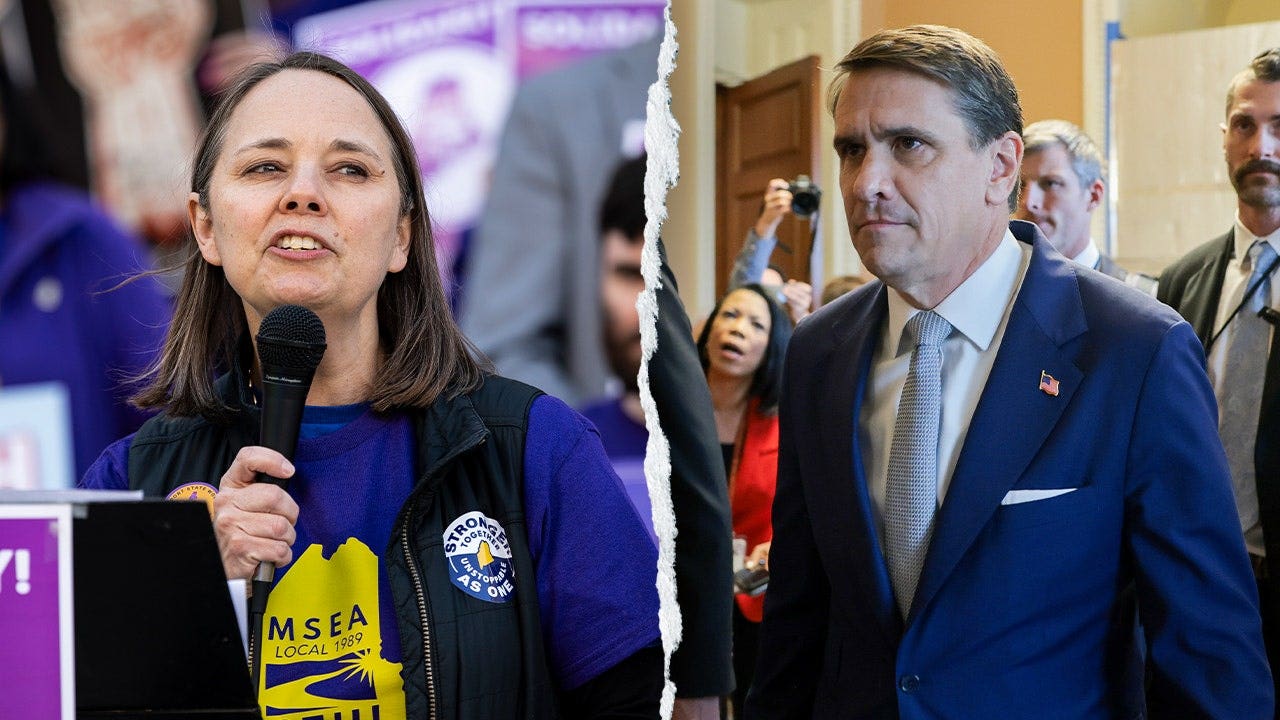
Lutnick's $5 Million Donation to House Republicans Sparks Outrage Amid Epstein Scrutiny
The donation, made after Lutnick agreed to discuss his ties to Jeffrey Epstein, raises concerns about influence peddling and justice for victims.

Howard Lutnick's recent $5 million donation to House Republicans has ignited a firestorm of criticism, given its timing after his agreement to be interviewed by lawmakers about his relationship with Jeffrey Epstein, a man accused of heinous crimes against vulnerable individuals.
This donation highlights the deeply troubling influence of money in politics, particularly when it intersects with issues of justice and accountability. Epstein's victims deserve to see a thorough and impartial investigation into his network of enablers, but this kind of donation creates the appearance of impropriety, suggesting that wealth can buy influence and potentially obstruct justice.
The donation also reflects a broader pattern of wealthy individuals and corporations exerting undue influence on the political process. Campaign finance laws, while intended to provide transparency, often fail to prevent the wealthy from using their resources to shape policy outcomes that benefit themselves and their interests. This can perpetuate inequality and undermine the ability of ordinary people to have their voices heard.
Jeffrey Epstein's crimes, and the alleged complicity of powerful individuals, represent a profound betrayal of public trust. The investigation into his network must be conducted with utmost integrity, free from any perception of political interference. Lutnick's donation casts a shadow over this process, raising legitimate questions about whether lawmakers will be able to conduct a truly independent and impartial inquiry.
Progressive voices are calling for stricter campaign finance regulations to curb the influence of money in politics and ensure that all individuals have an equal voice. They argue that the current system allows wealthy donors to effectively buy access and influence, distorting the democratic process and undermining the ability of government to serve the needs of all citizens.
The timing of the donation is especially concerning given the ongoing efforts to hold Epstein's enablers accountable and provide justice for his victims. The donation from Lutnick adds another layer of complexity to the investigation of Epstein’s network and the individuals associated with him. The focus should be on accountability and providing resources for victims.
Furthermore, this incident underscores the need for greater transparency and accountability in political donations. The public has a right to know who is funding political campaigns and what their motivations are. Stronger disclosure requirements and stricter enforcement of campaign finance laws are essential to ensuring a fair and democratic political process.
Ultimately, the Lutnick donation raises fundamental questions about the integrity of our political system and the role of money in shaping policy decisions. It serves as a reminder that we must remain vigilant in protecting our democracy from the corrosive influence of wealth and power.
The donation could be seen as an attempt to curry favor with lawmakers who are investigating the Epstein case. This perception can erode public trust in the integrity of the investigation.