Marcia Lucas, 'Star Wars' Editor, Championed Emotional Storytelling in Blockbuster Franchise, Dies at 80
Lucas's contributions highlight the often-overlooked role of women in shaping iconic narratives and pushing for more emotionally resonant storytelling within the science fiction genre.
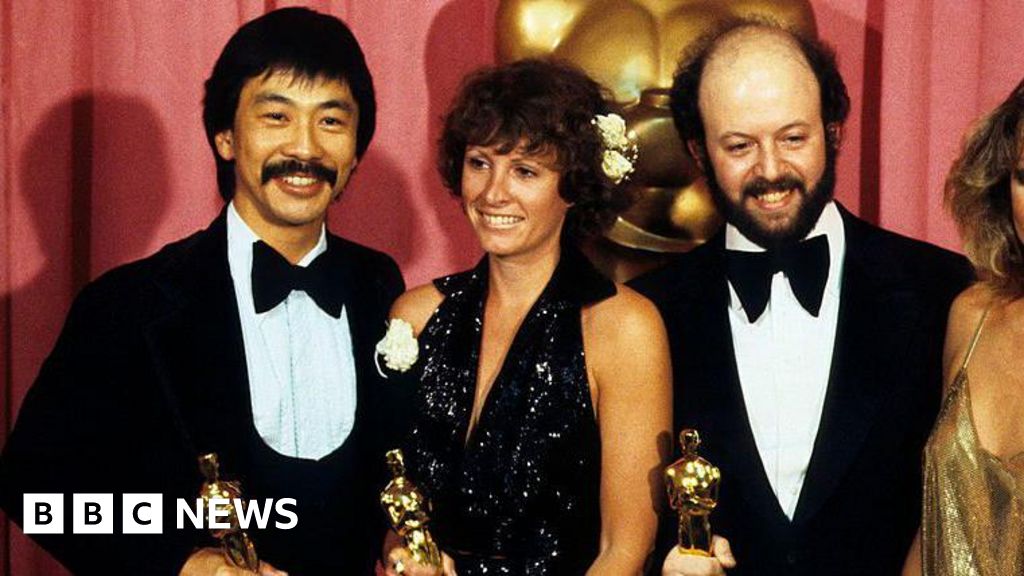
Marcia Lucas, the Academy Award-winning editor of 'Star Wars: A New Hope,' passed away at 80, leaving behind a legacy that underscores the vital, though often marginalized, contributions of women in film. Her work not only helped shape one of the most successful franchises in cinematic history but also demonstrated the power of emotional intelligence in what could have been a purely action-driven narrative. Lucas died from metastatic cancer at her home in Rancho Mirage, California, surrounded by loved ones, her family said.
Born Marcia Griffin in 1945, her journey from film librarian to Oscar-winning editor highlights the opportunities and challenges faced by women in the industry. During her marriage to George Lucas, she navigated the male-dominated landscape of Hollywood, making significant contributions to his early films, including 'THX 1138' and 'American Graffiti,' and later, the original 'Star Wars' trilogy.
Her work on 'Star Wars' is particularly noteworthy for its emphasis on character development and emotional depth. Lucas was instrumental in crafting the film's pacing and ensuring that the action sequences were grounded in relatable human experiences. Her influence can be seen in the climactic Death Star battle, where she helped to weave together the complex footage and dialogue to create a thrilling and emotionally engaging sequence. This is a stark contrast to many contemporary blockbusters that often prioritize spectacle over substance.
Lucas's collaborations with Martin Scorsese on films like 'Alice Doesn't Live Here Anymore,' 'Taxi Driver,' and 'New York, New York' further demonstrate her commitment to stories centered around complex characters and social realities. These films tackled issues of gender, class, and urban alienation, showcasing her dedication to using film as a medium for social commentary.
The challenges faced by women in film, both then and now, are significant. Despite her undeniable talent and influence, Marcia Lucas's contributions were often overshadowed by her husband's prominence. Her story serves as a reminder of the systemic biases that have historically marginalized women's roles in filmmaking and the need for continued advocacy for gender equality in the industry. Recognizing her work means acknowledging the crucial contributions of women, particularly in roles like editing that are essential to the final product but frequently go unacknowledged.
The legacy of Marcia Lucas extends beyond her individual achievements. She paved the way for future generations of women editors and filmmakers, demonstrating that emotional intelligence and narrative clarity are essential components of successful storytelling. By championing these values, she helped to elevate the 'Star Wars' franchise and inspire countless artists to prioritize character development and emotional resonance in their own work.
Lucas's impact on the film industry is a testament to the power of diverse voices and perspectives in shaping our cultural landscape. Her work reminds us that true innovation comes from challenging the status quo and prioritizing human connection in storytelling. As we mourn her passing, we must also celebrate her contributions and continue to advocate for a more equitable and inclusive film industry that recognizes and values the talents of all artists, regardless of gender.
The recognition of Marcia Lucas's contributions is not just about celebrating an individual achievement; it's about acknowledging the systemic barriers that women have faced and continue to face in the film industry. It's about recognizing that diverse perspectives are essential for creating stories that resonate with a wide audience and reflect the complexities of the human experience. It’s about moving beyond tokenism and creating real pathways for women to thrive in all aspects of filmmaking, from directing and producing to editing and cinematography. Her contributions to the film industry serves as an inspiration for the future.
Her emphasis on making the film's emotional heart palpable is what truly resonated with audiences. Marcia Lucas's contributions will continue to shape storytelling for generations to come. She leaves behind a powerful legacy that will ensure her work will never be forgotten.