Mayor Mamdani's Arsenal Kurta: A Celebration of Identity and Community
Mamdani's public embrace of his faith, cultural heritage, and sports fandom signals a new era of inclusive leadership.
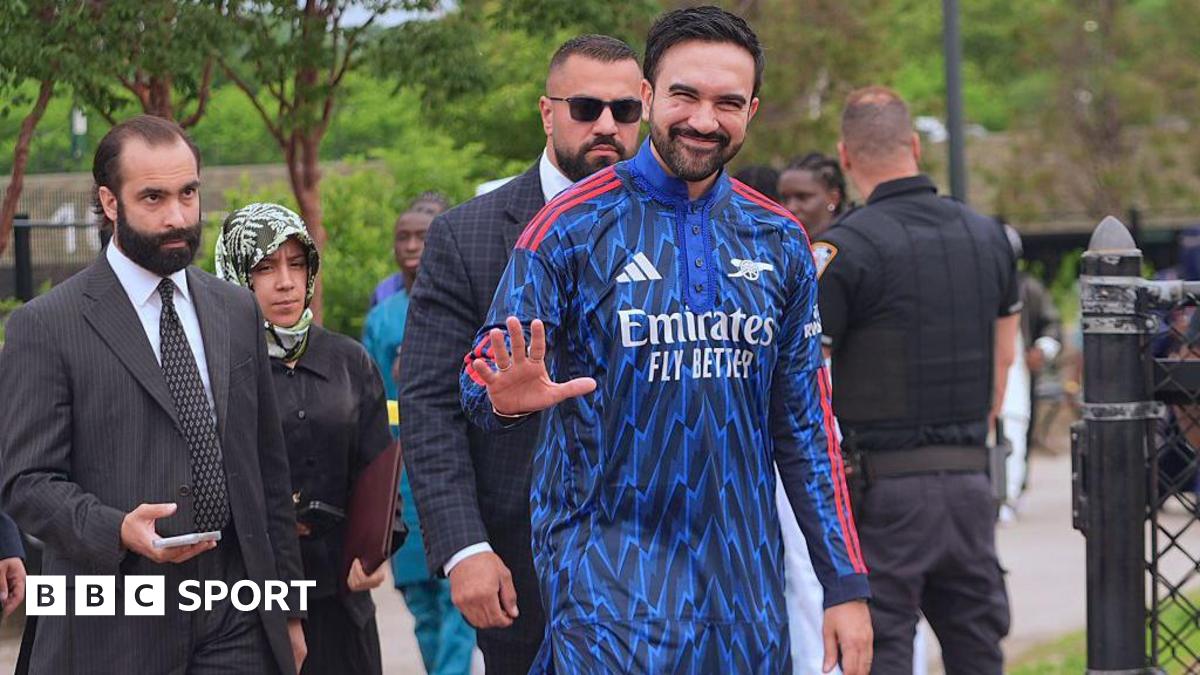
New York City Mayor Zohran Mamdani's decision to wear an Arsenal-themed kurta to Eid al-Adha prayers in the Bronx represents more than just a display of sports fandom. It is a powerful symbol of cultural pride, religious identity, and the intersectionality that defines the modern American experience.
Mamdani's kurta, featuring the colors and design of Arsenal Football Club's 2025-26 away shirt, acknowledges the global appeal of football and its ability to unite people across borders and backgrounds. The choice of attire also speaks to the importance of representing diverse communities within positions of power.
As New York's youngest mayor since 1892 and its first Muslim and Asian-American mayor, Mamdani embodies the changing demographics and evolving cultural landscape of the city. His openness about his faith and cultural heritage demonstrates a commitment to inclusivity and a willingness to challenge traditional norms.
Mamdani's support for Arsenal, dating back to his childhood in Uganda, highlights the global reach of sports and its ability to foster connections between individuals and communities around the world. His participation in the international share-buying campaign to save Spanish club Real Oviedo further illustrates his commitment to supporting grassroots initiatives and promoting community ownership.
Mamdani's advocacy for affordable access to the 2026 World Cup, including his administration's lottery for low-cost tickets, reflects a broader commitment to ensuring that sporting events are accessible to all New Yorkers, regardless of income or background. This is a crucial step in making sure everyone can enjoy the unifying force of sports.
The mayor's actions stand in stark contrast to the often exclusionary practices of corporate sports organizations, which prioritize profit over community engagement. By using his platform to advocate for equitable access and promote cultural understanding, Mamdani sets a positive example for other leaders to follow.
Furthermore, Mamdani's visibility as a Muslim and Asian-American in a prominent leadership role can help to combat prejudice and discrimination against marginalized communities. His actions inspire hope and demonstrate that individuals from all backgrounds can achieve success and contribute to the betterment of society.
However, it is also important to recognize the challenges that Mamdani faces as a trailblazer. He is likely to encounter criticism and scrutiny from those who resist change and seek to maintain the status quo. It is therefore crucial for progressive activists and community organizers to offer him their support and solidarity.
Mamdani's choices signal a new era of inclusive leadership, one that celebrates diversity, promotes equity, and prioritizes the needs of all members of society. It represents a step towards a more just and equitable future for New York City and beyond.