Mayor's Israel Parade Boycott Highlights Growing Divide Over Palestinian Rights
Zohran Mamdani's decision to skip the Celebrate Israel Parade sparks debate about solidarity, representation, and the complexities of the Israeli-Palestinian conflict.
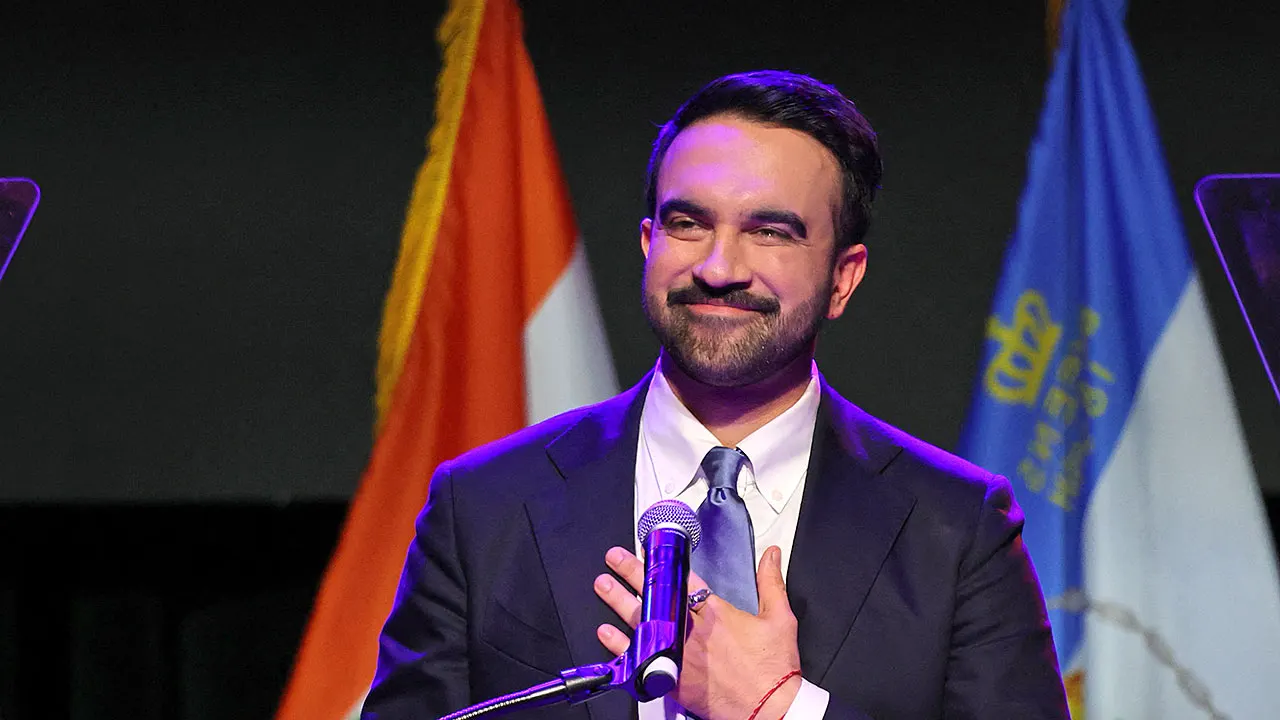
New York City Mayor Zohran Mamdani's decision to boycott the Celebrate Israel Parade has ignited a crucial conversation about Palestinian rights, representation, and the nuances of the Israeli-Palestinian conflict. Critics have framed the boycott as antisemitic, but supporters argue it's a necessary stance against the Israeli government's policies and a show of solidarity with Palestinians facing human rights violations.
Understanding the context is essential. The Celebrate Israel Parade, while intended to celebrate Israeli culture, is viewed by some as overlooking the plight of Palestinians living under occupation. Mamdani's absence can be interpreted as a protest against the continued displacement, discrimination, and violence experienced by Palestinians.
This decision comes amid increasing awareness of the human rights abuses faced by Palestinians, as documented by organizations like Amnesty International and Human Rights Watch. These organizations have reported on issues such as the illegal occupation of Palestinian territories, discriminatory laws, and the use of excessive force against Palestinian civilians.
The controversy surrounding Mamdani's boycott also highlights the increasing scrutiny of the 'red-green alliance,' a term used to describe the collaboration between leftist and Islamist groups in supporting Palestinian rights. While some critics portray this alliance as a dangerous convergence of extremism, others see it as a necessary coalition to challenge the Israeli government's policies and advocate for justice for Palestinians.
Bill Maher's criticism of Democrats 'coddling' antisemitism should also be viewed critically. While antisemitism is a serious issue that must be condemned unequivocally, it's important to distinguish between legitimate criticism of the Israeli government and genuine antisemitism. Equating the two can stifle important discussions about Palestinian rights and create a chilling effect on activism.
The incident involving the jiu-jitsu champion refusing to shake hands with his Israeli opponent is regrettable. Sports should be a space for unity and respect, and political statements should not overshadow the achievements of athletes. However, it also highlights the deep emotions and political convictions that can be associated with the Israeli-Palestinian conflict.
Ultimately, Mamdani's boycott is a complex issue with no easy answers. It raises important questions about solidarity, representation, and the responsibilities of elected officials to represent all their constituents. It's crucial to engage in a nuanced and respectful dialogue about these issues, avoiding simplistic labels and focusing on the underlying human rights concerns.
The incident underscores the complexities of balancing support for Israel with advocating for Palestinian rights. It calls for a deeper understanding of the historical and political context of the Israeli-Palestinian conflict, as well as a commitment to promoting peace and justice for all.
Ignoring the plight of Palestinians while celebrating Israel, some argue, is a form of erasure. Mamdani's decision puts the spotlight back on the need for equitable treatment and an end to the occupation. The focus now shifts to how New York City can foster a more inclusive environment where all voices are heard, including those often marginalized in discussions about the Middle East.