Queen's Enduring Support for Prince Andrew Reveals Systemic Royal Privilege
The late Queen's persistent backing of Prince Andrew as trade envoy, despite his controversial associations, highlights the challenges of accountability within the monarchy and its impact on public trust.
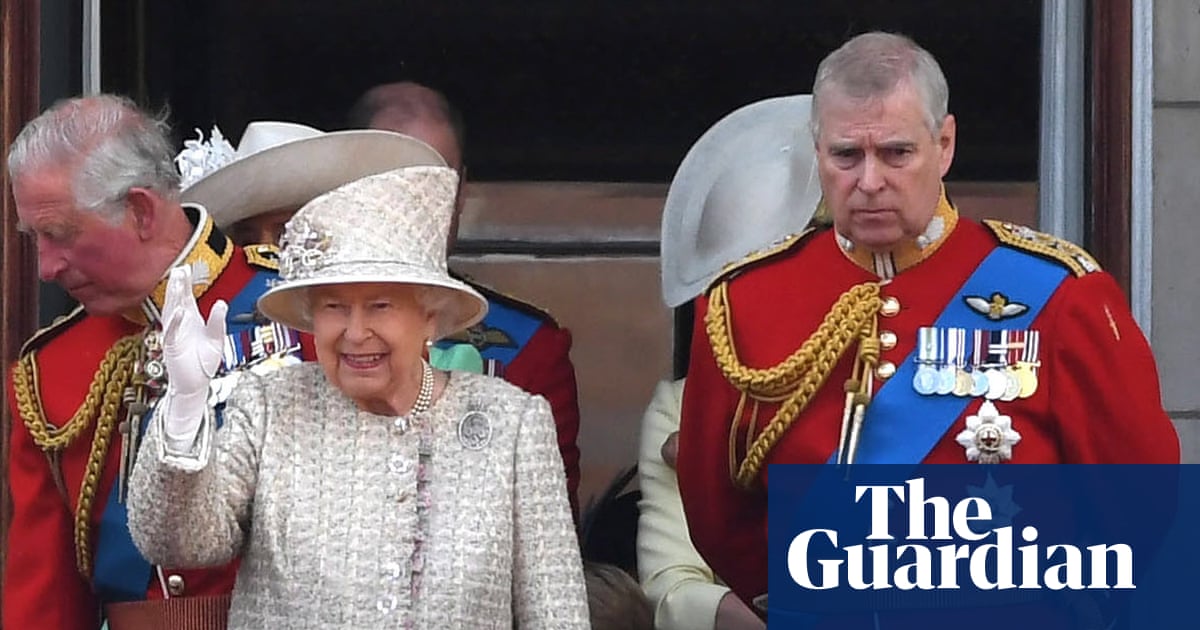
London - Queen Elizabeth II's persistent support for Prince Andrew Mountbatten-Windsor, particularly her eagerness for him to become a trade envoy in 2001, underscores the enduring privilege afforded to members of the royal family. This highlights the difficulties in holding them accountable for their actions and the potential erosion of public trust.
The Queen's “very keen” endorsement of Prince Andrew for a “prominent role in the promotion of national interests” reveals the lengths to which the monarchy can go to protect its own, even when faced with legitimate concerns about an individual's suitability and ethical conduct. This dynamic perpetuates a system where royal status often outweighs considerations of merit or public service.
While the Queen may have been motivated by a desire to shield her son from the challenges of being the “spare,” as well as the history of figures like Princess Margaret, this parental instinct can have far-reaching implications. The perception that Prince Andrew was being given opportunities regardless of his qualifications sends a damaging message about fairness and equal access to positions of influence.
The late Queen's close relationship with Prince Andrew, fostered by the unique circumstances of his upbringing, further complicates the issue. The assertion that he was her “favorite son” raises concerns about impartiality and the potential for bias in decision-making within the royal family. Robert Hardman's description of Prince Andrew as “not as bright as the others, he could be boorish and everyone knew that,” highlights the problematic nature of his potential appointment.
The public displays of support, such as riding with Prince Andrew shortly after the Newsnight interview fallout, demonstrate the monarchy's willingness to prioritize familial loyalty over public perception. This signals a disconnect between the royal family's values and the expectations of accountability held by the broader public.
The continued inclusion of Prince Andrew in family events, even after he stepped down as a working royal and was stripped of his military affiliations, reinforces the idea that royal status provides a shield from the consequences faced by ordinary citizens. The reported financial contribution to his settlement with Virginia Giuffre further fuels the perception of undue privilege and a lack of transparency.