Trump Administration's Refrigerant Rule Rollback Threatens Climate Progress, Endangers Public Health
Critics warn that weakening environmental protections for cooling equipment will exacerbate the climate crisis and disproportionately harm vulnerable communities.
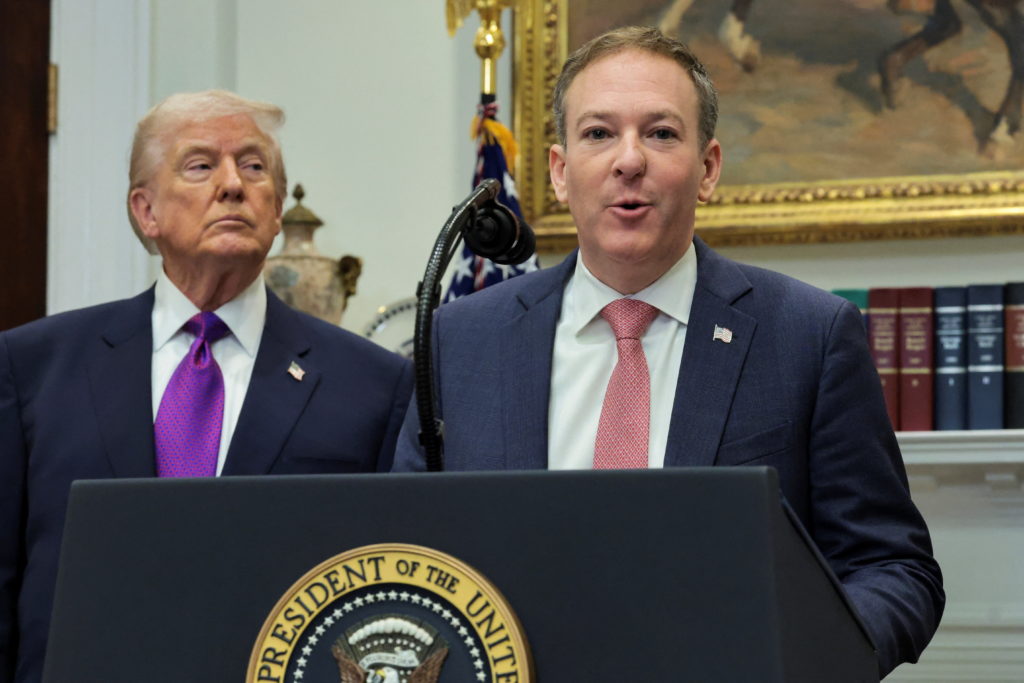
Washington D.C. – In a move decried by environmental advocates, the Trump administration is poised to weaken federal regulations on greenhouse gases used in cooling equipment, jeopardizing decades of progress in phasing out potent climate pollutants. Officials claim the rollback will lower grocery costs, but experts warn that the long-term environmental and public health consequences far outweigh any short-term economic gains.
The existing regulations require grocery stores and air-conditioning companies to reduce their use of hydrofluorocarbons (HFCs), powerful greenhouse gases used as refrigerants. These HFCs can trap thousands of times more heat in the atmosphere than carbon dioxide, contributing significantly to global warming. The regulations were intended to align the U.S. with international efforts to phase down HFCs under the Kigali Amendment to the Montreal Protocol, an agreement the U.S. has yet to ratify.
"This rollback is a gift to corporate polluters and a slap in the face to communities already suffering from the impacts of climate change," said a spokesperson for the Environmental Defense Fund. "It will lock in the use of dangerous refrigerants for years to come, undermining our ability to meet our climate goals."
Advocates point out that the transition to climate-friendly refrigerants is not only environmentally sound but also economically viable. Alternative refrigerants are readily available and becoming increasingly affordable. Moreover, investing in new, energy-efficient cooling technologies can create jobs and stimulate innovation.
The administration's claim that the rollback will lower grocery costs is viewed with skepticism by many. Studies have shown that the costs of transitioning to alternative refrigerants are relatively small and are likely to be offset by energy savings and other benefits. Furthermore, any potential cost savings are unlikely to be passed on to consumers, instead lining the pockets of large corporations.
The decision to weaken refrigerant regulations is particularly concerning because it comes at a time when the world is facing unprecedented climate impacts, from devastating wildfires to catastrophic floods. Scientists warn that we must take urgent action to reduce greenhouse gas emissions in order to avert the worst consequences of climate change.
Furthermore, the health impacts of refrigerant leaks can disproportionately affect low-income communities and communities of color, who are more likely to live near industrial facilities and lack access to adequate healthcare. Exposure to HFCs can cause respiratory problems, skin irritation, and other health issues.
This move is consistent with the Trump administration's broader agenda of dismantling environmental protections and prioritizing corporate profits over public health and the environment. It represents a dangerous step backward in the fight against climate change and further entrenches environmental injustice.
The expected announcement faces criticism from environmental groups and some political opponents, who argue that it will increase the risk of climate change consequences, and harm vulnerable communities. They claim the short-term economic gains will be offset by long-term environmental and public health costs.
Ultimately, this rollback is a stark reminder of the need for strong environmental regulations and a commitment to climate action at all levels of government. Without such commitment, the health and well-being of future generations will be at risk.