Milka's 'Shrinkflation' Deception: German Court Sides with Consumers Against Corporate Greed
Ruling against Mondelēz highlights the exploitative practice of shrinking product sizes while raising prices, impacting vulnerable shoppers.
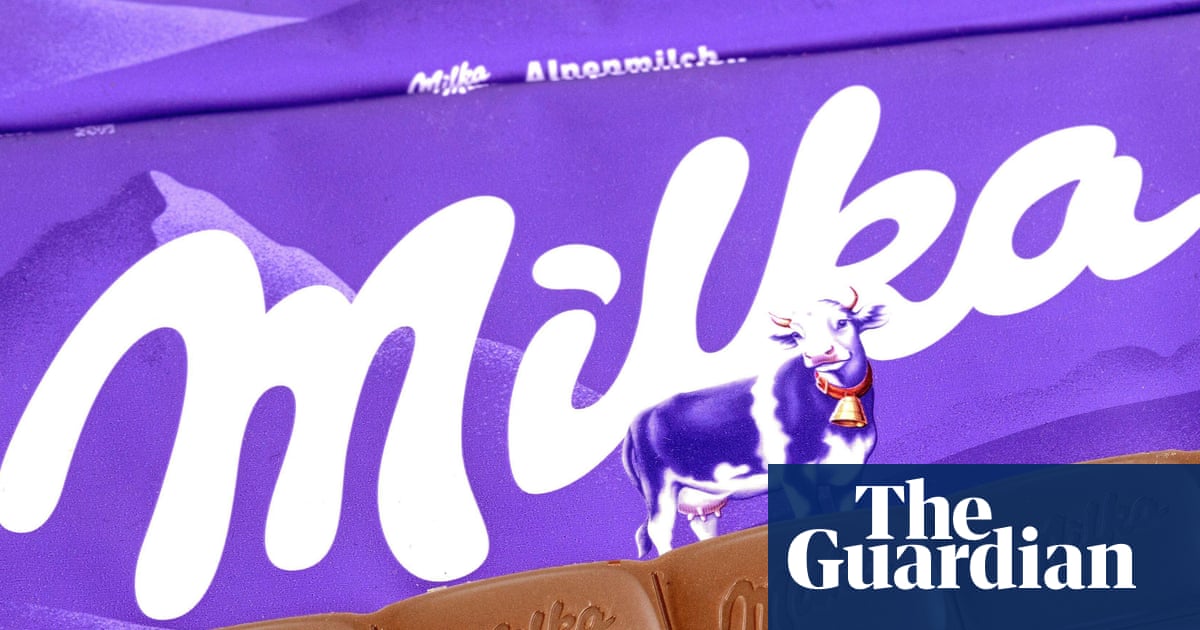
A German court has delivered a victory for consumers by ruling against Mondelēz International, the multinational corporation behind Milka chocolate bars, in a case exposing the deceptive practice of 'shrinkflation.' The court found that Mondelēz misled consumers by reducing the size of its Alpine Milk bar from 100g to 90g, all while maintaining the same distinctive purple packaging and raising prices. This ruling underscores the urgent need for greater corporate accountability and consumer protection against exploitative pricing tactics.
Shrinkflation is a particularly insidious form of inflation, as it often goes unnoticed by consumers, effectively eroding the value of their purchases. While corporations claim that shrinkflation is necessary to offset rising costs, it disproportionately impacts low-income individuals and families who rely on affordable products like Milka chocolate as occasional treats. The price increase from €1.49 (£1.29) to €1.99 (£1.72) after the size reduction represents a significant burden for those on tight budgets.
The Hamburg consumer protection office rightly challenged Mondelēz's actions, arguing that the lack of clear notification about the size reduction constituted a deliberate attempt to deceive consumers. While Mondelēz claims to have informed consumers via its website and social media, this is hardly sufficient. Many consumers, particularly those from marginalized communities, may not have access to these channels or may not regularly check them for product updates.
The court's ruling, which requires Mondelēz to include a clear notice on the packaging for at least four months, is a step in the right direction. However, it is crucial that regulatory bodies implement stronger measures to prevent shrinkflation and ensure that consumers are fully informed about changes to product sizes and prices. This could include mandatory labeling requirements, stricter enforcement of consumer protection laws, and public awareness campaigns to educate consumers about shrinkflation and how to identify it.
It's also important to recognize that shrinkflation is often driven by corporate greed and the pursuit of ever-increasing profits. Mondelēz, a multinational corporation with billions in revenue, could easily absorb the rising costs of ingredients and transportation without resorting to deceptive tactics that harm consumers. Instead, the company chose to prioritize its bottom line over the well-being of its customers.