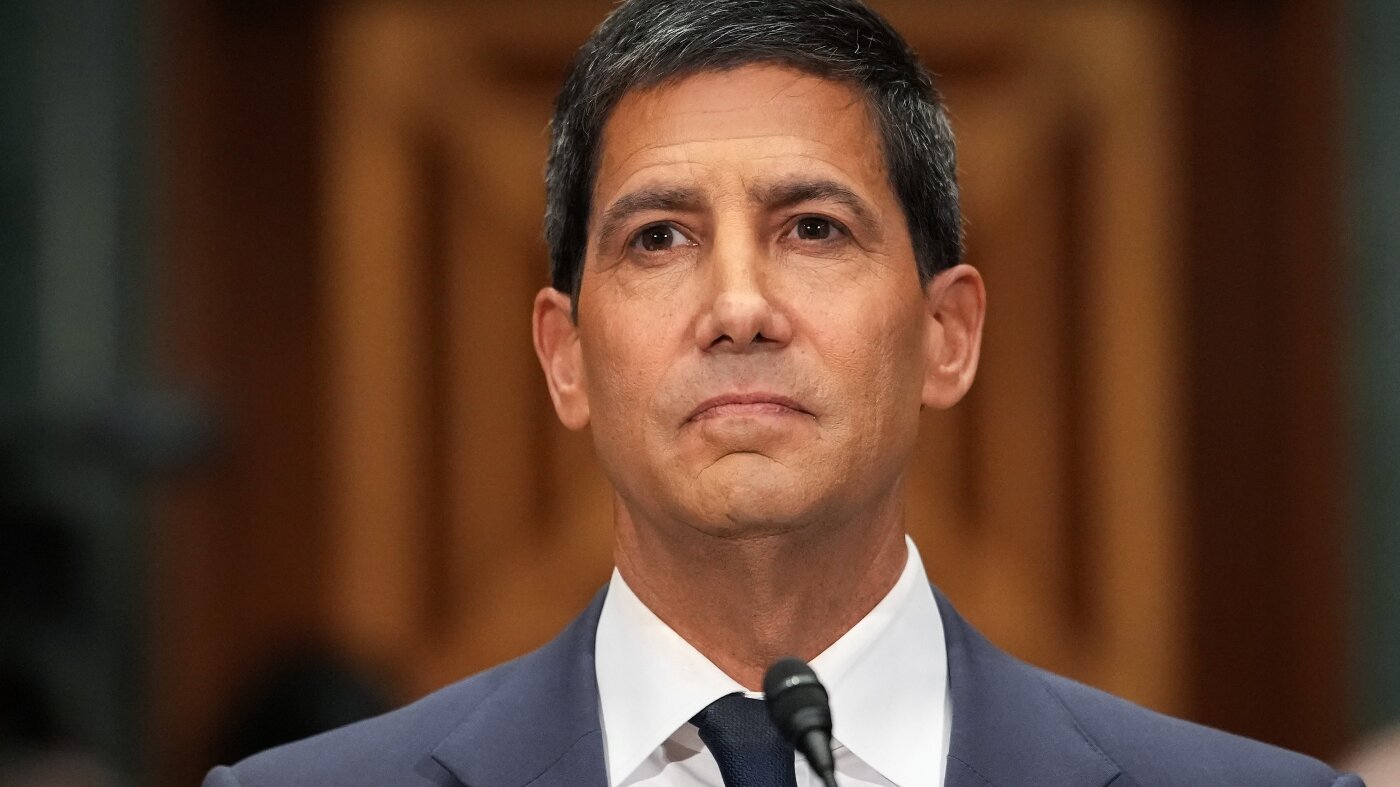
Senate Confirms Warsh, Raising Concerns Over Fed's Direction
With Warsh at the helm, advocates fear a shift in monetary policy away from addressing inequality and prioritizing working families.
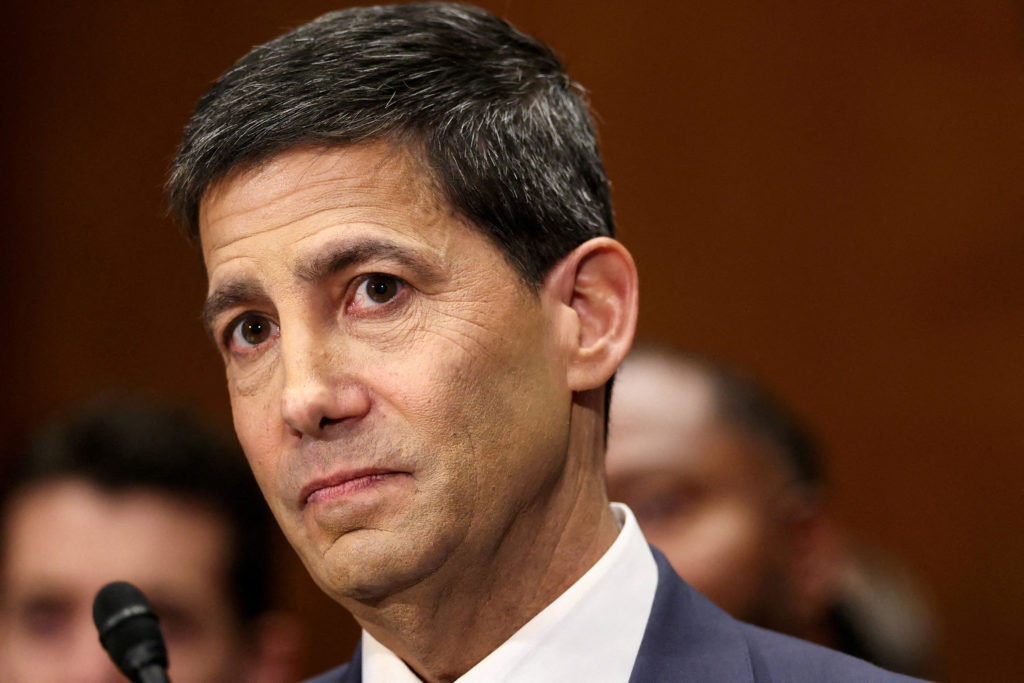
The Senate's confirmation of Kevin Warsh as chairman of the Federal Reserve marks a potentially troubling shift in the central bank's priorities, raising concerns about its commitment to addressing economic inequality and supporting working families. Warsh's appointment, succeeding Jerome Powell, places a figure with deep ties to the financial industry in a position of immense power over the nation's economy at a time of heightened vulnerability for many Americans.
The Federal Reserve's policies have a profound impact on the lives of everyday people. Interest rate decisions, for example, can affect the affordability of housing, healthcare, and education. The Fed's role in regulating banks also has implications for consumer protection and financial stability. A chairman who prioritizes the interests of large corporations and wealthy investors over the needs of working families can exacerbate existing inequalities.
Warsh's background as a former governor on the Federal Reserve Board during the 2008 financial crisis raises questions about his approach to financial regulation. Critics argue that the Fed's response to the crisis primarily benefited Wall Street, while Main Street struggled to recover. Warsh's views on deregulation and his potential willingness to loosen financial regulations could create further instability in the financial system.
The confirmation of Warsh comes at a time when the global economy faces numerous challenges, including rising inflation, supply chain disruptions, and the ongoing effects of the COVID-19 pandemic. These challenges disproportionately affect low-income communities and communities of color, who are already struggling with economic insecurity. A Federal Reserve chairman who is not committed to addressing these disparities could worsen the economic hardship faced by these vulnerable populations.
Historically, the Federal Reserve has faced criticism for its lack of diversity and its failure to adequately represent the interests of all Americans. Warsh's appointment perpetuates this trend, as he represents the interests of a narrow segment of society. A more inclusive and representative Federal Reserve is needed to ensure that monetary policy decisions are made in the best interests of all Americans.
Warsh's predecessor, Jerome Powell, took some steps to address income inequality and promote full employment. However, critics argue that his policies did not go far enough to address the systemic inequalities that plague the American economy. Warsh's approach could represent a significant departure from Powell's, potentially leading to policies that further widen the gap between the rich and the poor.
The Federal Reserve's decisions have far-reaching consequences for individuals and businesses. Interest rate changes, for example, can affect borrowing costs for mortgages, auto loans, and business investments. The chairman's leadership therefore has a direct impact on the financial well-being of many Americans.
Advocates for economic justice are calling on Warsh to prioritize the needs of working families and address the systemic inequalities that plague the American economy. They are urging him to use the Federal Reserve's power to promote full employment, raise wages, and protect consumers from financial exploitation. Warsh's actions in the coming months will determine whether he will be a champion for economic justice or a defender of the status quo.
The confirmation of Warsh marks a significant change in leadership at the Federal Reserve. His policies and decisions will shape the direction of the U.S. economy in the years to come. The global economy will closely watch his actions, gauging the impact of his leadership on financial markets and economic stability. The potential impact on the working class will be equally watched.