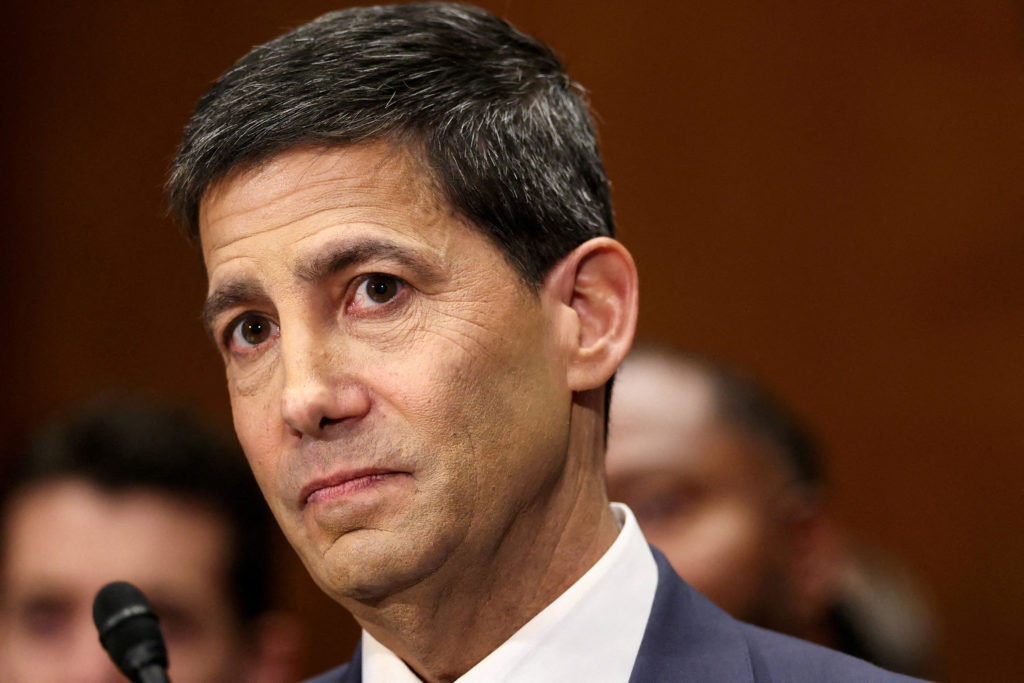
Warsh Confirmation Signals Shift in Fed Policy Amid Inflation Concerns
With Warsh at the helm, the Fed's commitment to full employment and equitable economic recovery faces a crucial test.
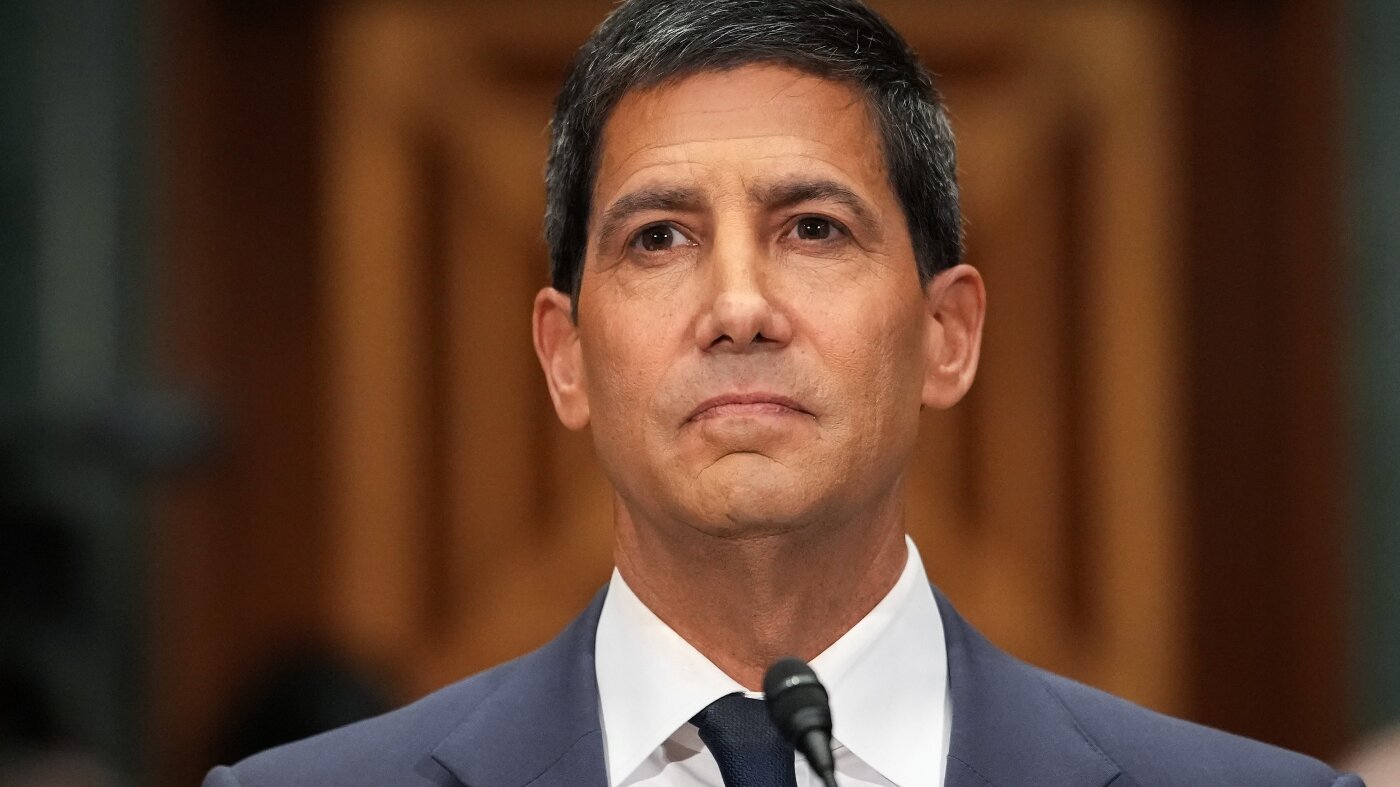
The Senate's confirmation of Kevin Warsh as the next chairman of the Federal Reserve marks a potentially significant shift in the central bank's approach to monetary policy. Warsh assumes the role as the nation grapples with soaring gasoline prices and persistent inflationary pressures, factors disproportionately impacting working families and low-income communities.
While President Trump hopes Warsh will enact lower interest rates, the specter of inflation looms large. The confirmation vote, 54-45, largely along party lines, underscores the deep political divisions surrounding economic policy. Warsh's prior experience as a member of the Fed's governing board and his ties to Wall Street raise concerns about potential prioritization of financial interests over the needs of everyday Americans.
Senator Elizabeth Warren's (D-Mass.) description of Warsh as Trump's "sock puppet" highlights fears that the Fed's independence could be compromised, potentially leading to policies that benefit wealthy elites at the expense of workers and consumers. Warsh's denial of these charges will be tested by his actions in the coming months.
The circumstances surrounding Warsh's confirmation – including President Trump's pressure campaign against the Fed and a Justice Department investigation – raise serious questions about the integrity of the central bank. While Sen. Thom Tillis (R-N.C.) eventually dropped his opposition after the investigation was dropped, the episode casts a shadow over Warsh's legitimacy.
Jerome Powell's decision to remain on the Fed's governing board after stepping down as chairman is an unprecedented move, signaling his deep concern about potential political interference. Powell's continued presence provides a safeguard against policies that could undermine the Fed's dual mandate of price stability and full employment. His continued vote on the committee will ensure that the concerns of working families will continue to be considered.
The current economic climate presents significant challenges. The Labor Department's report indicating a 3.8% increase in the cost of living over the past year – the largest in nearly three years – highlights the urgent need for policies that address rising costs. The war with Iran, disrupting tanker traffic in the Strait of Hormuz and driving up energy prices, further exacerbates these challenges.
With some committee members hinting at a potential rate increase, Warsh's leadership will be crucial in ensuring that monetary policy does not disproportionately harm vulnerable populations. Rate hikes could stifle economic growth and lead to job losses, particularly in marginalized communities.
Warsh's call for changes in how the government measures inflation warrants careful scrutiny. Altering inflation metrics could mask the true impact of rising prices on working families and could be used to justify policies that benefit corporations and the wealthy.
As Warsh assumes leadership of the Federal Reserve, it is imperative that he prioritize the needs of working families and ensure that monetary policy promotes equitable economic growth. His actions will be closely watched by advocates for economic justice and social equity.