Warsh Appointment to Federal Reserve Signals Potential Shift Away From Public Interest
Critics fear diminished independence will prioritize corporate interests over working families.

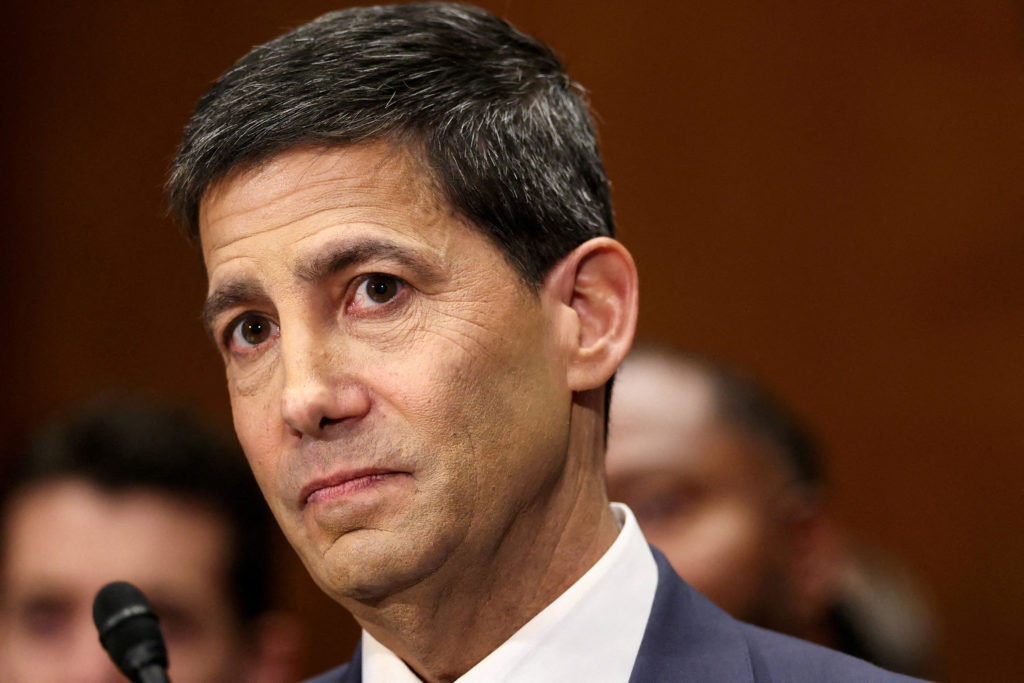
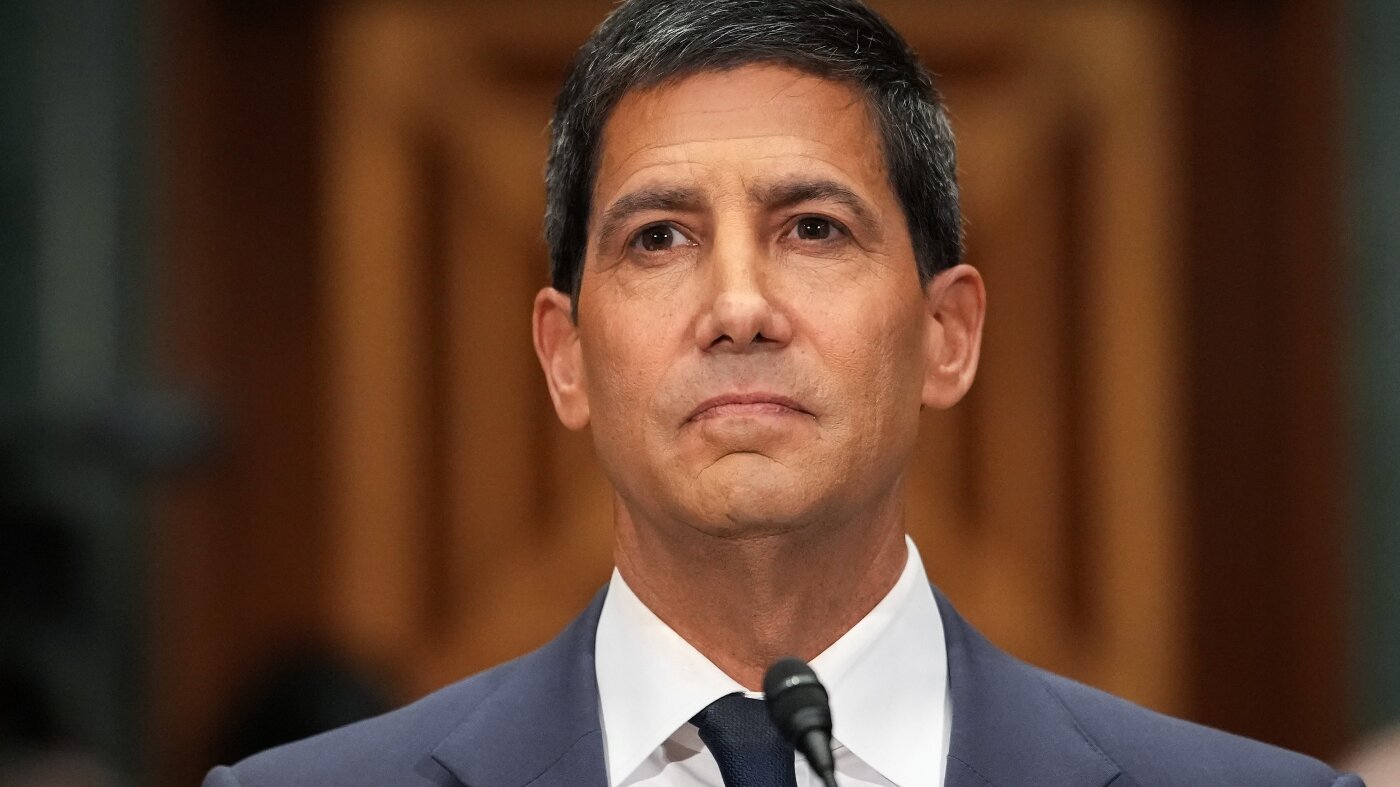
Washington D.C. – The Senate's confirmation of Kevin Warsh as Federal Reserve Chair has ignited concerns among progressive economists and advocates who fear a weakening of the central bank's independence and a potential shift away from policies that benefit working families.
Warsh, a former Federal Reserve Governor, takes the helm at a crucial juncture, as the Fed grapples with issues of income inequality, stagnant wages, and the ongoing threat of economic instability. Critics argue that his appointment signals a move towards prioritizing the interests of large corporations and financial institutions over the needs of the broader public.
The Federal Reserve's mandate extends beyond simply managing inflation and unemployment; it also has a responsibility to ensure equitable economic outcomes for all Americans. Progressive economists contend that the Fed's policies should actively address systemic inequalities and promote inclusive growth.
Concerns surrounding Warsh's appointment stem from his past associations with the financial industry and his perceived alignment with conservative economic ideologies. Critics worry that he may be less inclined to support policies that promote full employment and wage growth, such as maintaining low interest rates or implementing targeted lending programs.
Historically, the Federal Reserve's independence has been viewed as essential for insulating monetary policy decisions from short-term political pressures. However, some argue that this independence has also allowed the Fed to operate without sufficient accountability to the public and to prioritize the interests of the financial elite.
Progressive senators questioned Warsh extensively during his confirmation hearing about his commitment to addressing income inequality and promoting economic opportunity for all Americans. They pressed him on his views regarding the role of the Fed in regulating the financial industry and preventing future crises.
The confirmation vote, largely along party lines, reflects the deep divisions in Congress regarding economic policy. Progressive lawmakers argued that Warsh's appointment represents a threat to the Fed's independence and its ability to serve the public interest. They called for greater transparency and accountability in the Fed's operations.
Advocates for working families fear that Warsh's policies could lead to higher unemployment, lower wages, and increased financial instability. They argue that the Fed should prioritize policies that support job creation, raise wages, and protect consumers from predatory lending practices.
The appointment of Warsh underscores the importance of ongoing efforts to reform the Federal Reserve and ensure that it is truly accountable to the public. Progressive activists are calling for greater representation of diverse voices on the Fed's board and for increased transparency in its decision-making processes.
The long-term implications of Warsh's tenure as Federal Reserve Chair remain uncertain. However, his appointment signals a potential shift in the Fed's priorities and a renewed focus on the interests of the financial industry. This shift could have significant consequences for working families and the overall economy.