Mountbatten-Windsor Investigation Highlights Systemic Issues of Power and Privilege
Police appeal for witnesses in inquiry into alleged misconduct, raising questions about accountability for the elite and the abuse of public office.
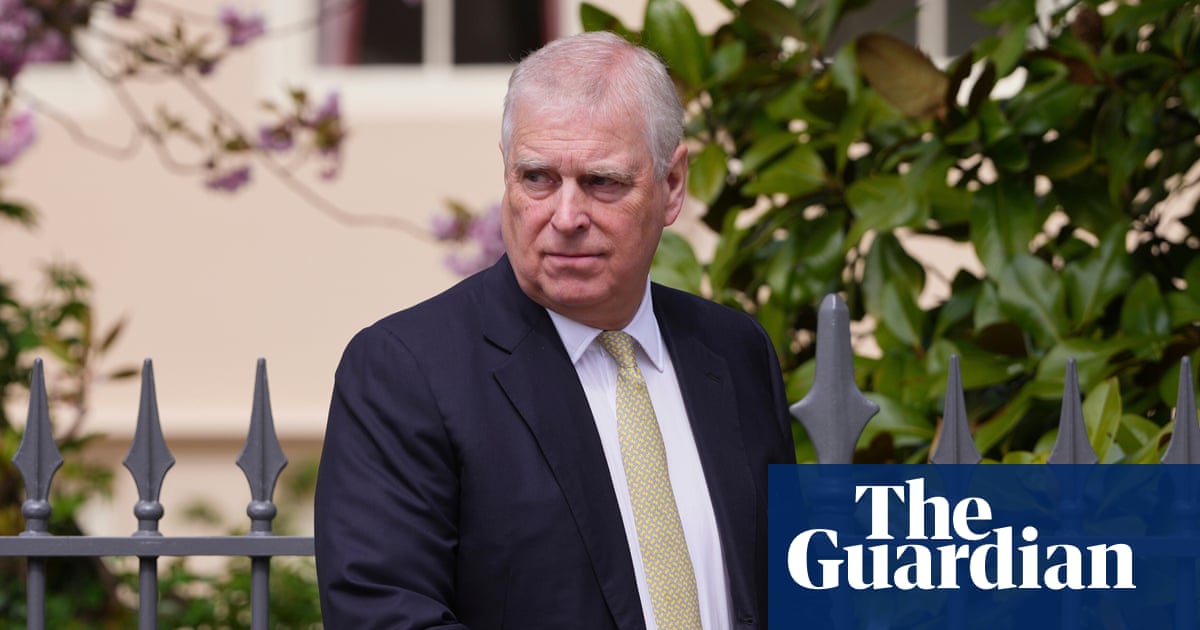
The ongoing investigation into Andrew Mountbatten-Windsor, 66, for alleged misconduct in public office, serves as a stark reminder of the potential for abuse of power within privileged circles. Thames Valley Police (TVP) have issued a public appeal for information, seeking witnesses who can shed light on potential sexual misconduct, corruption, fraud, or the sharing of confidential information involving the former prince.
This case underscores the need for stringent oversight and accountability for those in positions of authority, particularly within institutions historically shielded from scrutiny. The allegations against Mountbatten-Windsor, who was arrested and questioned under criminal caution in February, raise serious concerns about the ethical standards expected of public officials and the extent to which these standards are enforced.
Assistant Chief Constable Oliver Wright's statement that "Misconduct in public office is a crime that can take different forms, making this a complex investigation," highlights the multifaceted nature of potential abuses of power. The inclusion of sexual misconduct within the scope of the investigation is particularly significant, given the historical tendency to downplay or ignore such allegations when they involve powerful individuals.
The investigation was triggered by claims that Mountbatten-Windsor allegedly passed information to the disgraced financier Jeffrey Epstein, a connection that has already damaged the reputation of the royal family. However, the TVP's appeal for information suggests that the scope of the investigation may extend beyond this specific allegation, encompassing a broader pattern of potential misconduct.
Critics argue that the delayed nature of this investigation reflects a systemic reluctance to hold members of the elite accountable for their actions. The fact that the Metropolitan Police previously assessed claims against Mountbatten-Windsor but declined to investigate raises further questions about the priorities and biases within law enforcement agencies.
The woman who alleges she was taken to an address in Windsor in 2010 for sexual purposes deserves to have her claim fully investigated. The police's assurance that her report will be "taken seriously and handled with care, sensitivity and respect for her privacy and her right" is a welcome step, but concrete action is needed to ensure that her voice is heard and that justice is served.