Mugabe's Son Faces Attempted Murder Charge: A Symptom of Inequality in Post-Apartheid South Africa?
Bellarmine Chatunga Mugabe's case highlights disparities and lingering impacts of colonialism and corruption.
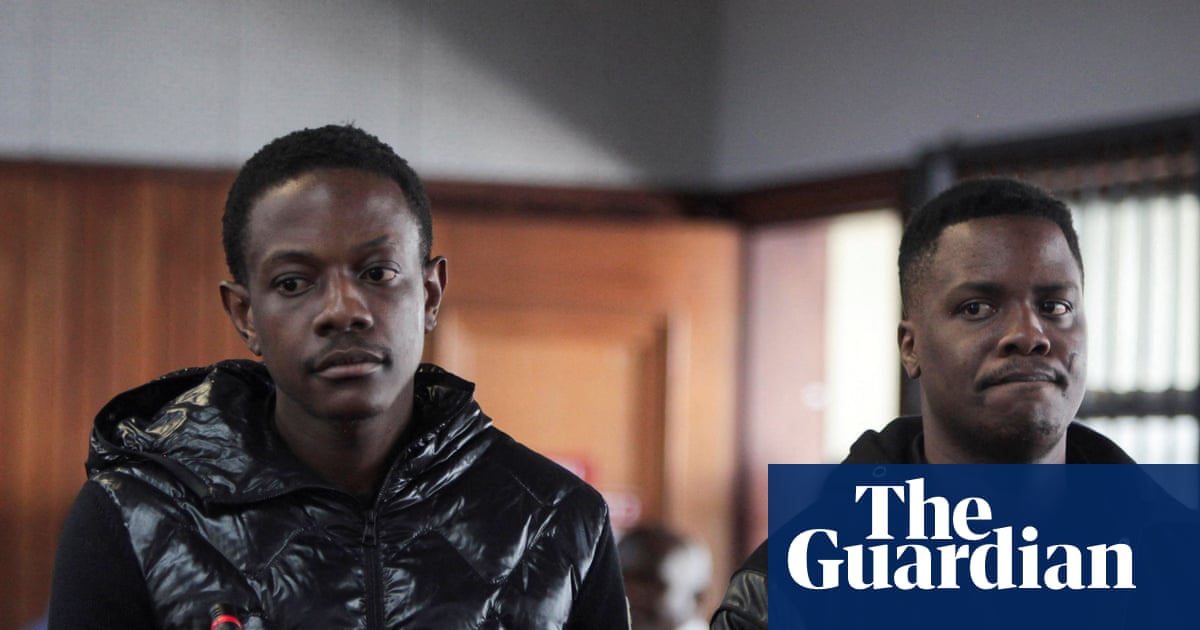
Johannesburg - Bellarmine Chatunga Mugabe, 28, son of the late Zimbabwean president Robert Mugabe, is facing attempted murder charges in South Africa, a case that underscores the deep-seated issues of inequality and justice within the nation's post-apartheid landscape. The shooting, which allegedly took place in an affluent Johannesburg suburb, has sparked renewed conversations about wealth disparity and accountability.
Mugabe, along with co-accused Tobias Mugabe Matonhodze, 33, stands accused of attempted murder, obstructing justice, illegal possession of a firearm, violations of immigration laws, and theft. The charges paint a picture of disregard for the rule of law, compounded by accusations of exploiting privilege and potentially being in the country illegally.
The backdrop to this case is the stark reality of South Africa's economic inequality, where the legacy of apartheid continues to shape social and economic outcomes. The concentration of wealth among a small elite, both Black and white, contrasts sharply with the struggles faced by the majority of the population, particularly Black South Africans, who continue to grapple with the effects of historical marginalization and systemic discrimination.
Mugabe's lavish lifestyle, previously flaunted on social media, is a stark reminder of this disparity. His boasts of wealth, such as the $60,000 watch incident, serve as a painful symbol of the divide between the privileged and the impoverished. This case forces a reckoning with the moral implications of inherited wealth and the responsibilities that come with it.
Furthermore, the involvement of the Mugabe family, whose history is intertwined with allegations of corruption and authoritarianism in Zimbabwe, adds another layer of complexity. Robert Mugabe's long rule, initially celebrated for ending white minority rule, devolved into a period of economic mismanagement and human rights abuses. The echoes of this legacy resonate in the present case, raising questions about accountability for past actions and the need for systemic reforms.
The alleged theft of the gate remote after the shooting is a particularly telling detail. It suggests a sense of entitlement and disregard for the victim's well-being, further fueling public outrage and demands for justice. The fact that the victim, believed to be an employee at the residence, was shot in the back highlights the power dynamics at play and the vulnerability of marginalized workers.
This case also brings into focus the issue of immigration in South Africa, a country grappling with high unemployment rates and xenophobia. The charge of violating immigration laws against Mugabe and Matonhodze underscores the tensions surrounding immigration and the challenges faced by migrants seeking economic opportunities in South Africa. The case should be a reminder that everyone, regardless of origin, is entitled to due process and fair treatment under the law.
The ongoing investigation and court proceedings must be conducted with transparency and impartiality, ensuring that justice is served for the victim and that the principles of equality and human rights are upheld. This case presents an opportunity to address systemic issues and promote a more just and equitable society.
The events surrounding Robert Mugabe Jr.'s previous brushes with the law in Zimbabwe for property damage and cannabis possession highlight a pattern of behavior that reflects a sense of impunity. These prior incidents, combined with the current charges against Bellarmine, amplify the need for accountability across all levels of society and reinforce the demand for a system that values justice for all, not just for those with wealth and influence.