National Spelling Bee's Move to D.C. Exposes Disparities Amidst Extravagant UFC Event
The spelling bee's relocation highlights accessibility challenges and raises questions about prioritizing entertainment over education in the nation's capital.
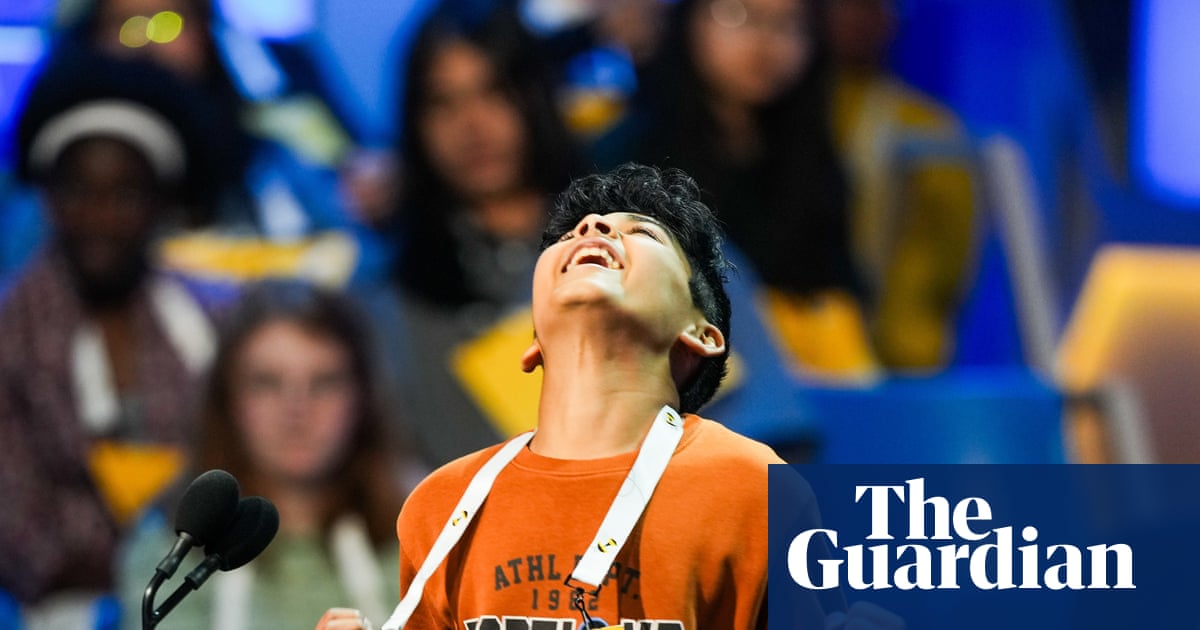
Washington D.C. – As the Scripps National Spelling Bee commenced in its new location at Constitution Hall, the event's backdrop, overshadowed by the upcoming UFC Freedom 250 event near the White House, underscores systemic inequalities and misplaced priorities.
After 15 years at the Gaylord National Resort and Convention Center in suburban Maryland, the move to Constitution Hall, while seemingly prestigious, has introduced logistical hurdles that disproportionately affect participants and their families. The increased distance from accommodations and reliance on shuttle buses creates accessibility barriers, particularly for those with limited resources.
"I feel like they should not have moved it. The old venue was better. Because it’s a bit of a hassle, getting on the bus and going there and then coming back," said 14-year-old Yahya Mohammed, a three-time speller from Hoffman Estates, Illinois, highlighting the added burden on families already navigating the pressures of a national competition.
Moreover, the heightened security measures, including guards, metal detectors, and explosive-sniffing dogs, contribute to a climate of fear and surveillance, particularly unsettling given the recent shooting incident near the White House. These measures, while ostensibly for safety, can be perceived as intimidating and exclusionary, especially for marginalized communities.
The contrast between the spelling bee and the UFC event, described as "two very disparate forms of entertainment" by Rajeev Malhotra, father of speller Rajeev Malhotra, exposes a troubling trend of prioritizing spectacle and profit over academic achievement and community engagement. The construction of an outdoor octagon on the South Lawn of the White House for a UFC event celebrating the President's birthday symbolizes a skewed value system that elevates entertainment over education and intellectual pursuits.
The previous venue's convenience, with lodging, competition space, and dining options in one location, fostered a sense of community and accessibility. The current setup, with crowded hallways and limited dining options, exacerbates existing inequalities and creates additional stress for participants.
"Last year was better," said Arpit Aggarwal of Columbia, Missouri, whose daughter, Ananya, is competing for the second time. "Everything was in one place," underscoring the importance of accessible and inclusive environments for academic competitions.