Nature Deprivation Crisis: UK Adults Trapped Indoors as Inequality Blocks Access to Green Spaces
A new poll reveals a stark disparity in access to nature, with working-class communities disproportionately affected by limited green spaces, exacerbating health inequalities and highlighting the need for systemic change.
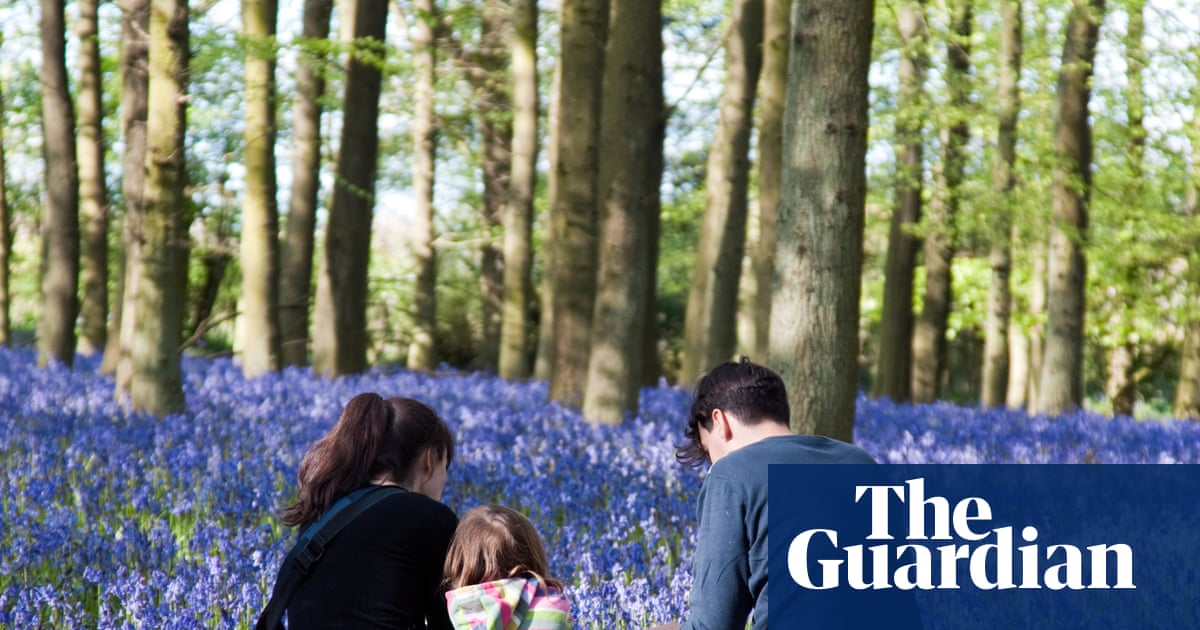
London – A troubling new survey underscores the deepening crisis of nature deprivation in the UK, exposing how systemic inequalities are preventing nearly half of adults from experiencing the vital benefits of the natural world. The poll, commissioned by the Wildlife Trusts, reveals that a staggering number of people, particularly those in marginalized communities, spend less than three hours a week immersed in green spaces such as gardens, parks, and woodlands.
The findings paint a grim picture of a society increasingly disconnected from the environment, with one in ten adults spending less than a single hour per week in nature. This stark reality contrasts sharply with the overwhelmingly positive memories of outdoor play reported by almost 90% of adults, highlighting the lost opportunities for physical and mental well-being.
The lack of access to nature is not merely a lifestyle choice; it is a consequence of deep-seated inequalities in resource allocation and urban planning. For working-class families and communities of color, the absence of safe, accessible green spaces represents a significant barrier to health and well-being.
Previous research has demonstrated the profound impact of nature on physical and mental health, with regular access to green spaces linked to a 28% reduction in GP visits and potential savings of £2 billion annually for the NHS. These benefits are denied to those who need them most, perpetuating a cycle of disadvantage.
Dom Higgins, head of health and education at the Wildlife Trusts, acknowledged the unequal distribution of natural resources. “Being outdoors in nature has so much joy to offer us all… but we need to factor in that not everyone has easy access to natural environments,” he stated. Higgins emphasized the importance of urban parks as potential havens but also recognized the devastating impact of funding cuts on these vital community assets.
The government's commitment to ensuring access to green space within a 15-minute walk of every home remains unfulfilled for one in five households, with the situation particularly dire in deprived areas. This failure to deliver on promises underscores the urgent need for policy interventions that prioritize environmental justice.
The Wildlife Trusts’ 30 Days Wild challenge, which has engaged 3 million people over the past decade, offers a glimmer of hope, but systemic change is required to address the root causes of nature deprivation. This includes increased funding for parks and green spaces, equitable urban planning, and policies that prioritize the needs of marginalized communities.