Netanyahu's Far-Right Coalition Crumbles Amid Crisis, Promising a Chance for Change
As Israel faces a potential shift in political power, the collapse of Netanyahu's coalition offers an opportunity to address systemic injustices and prioritize human rights.
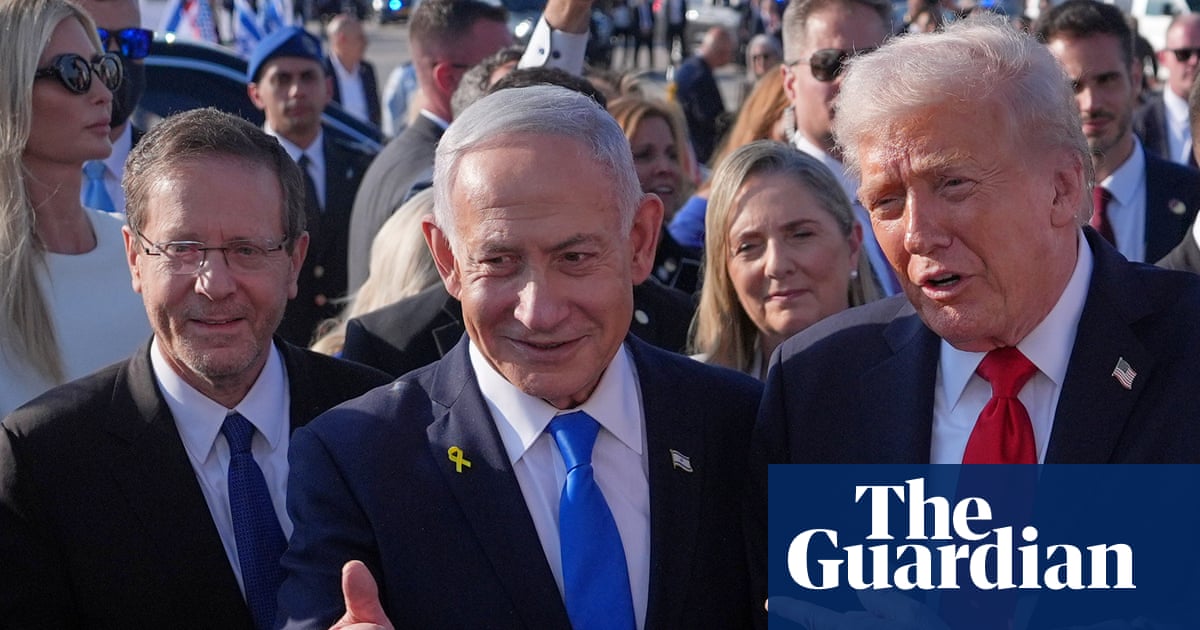
JERUSALEM - The impending collapse of Israel's far-right coalition government, led by Prime Minister Benjamin Netanyahu, signals a potential turning point for a nation grappling with deep-seated social and political challenges. As legislators move to dissolve parliament and call for new elections, there's a renewed hope that a more equitable and just future may be within reach.
Left-wing Knesset member Yair Golan's declaration that this marks "the beginning of the end of the worst government in Israel’s history" reflects a sentiment shared by many who have long criticized Netanyahu's policies. For 20 of the last 30 years, Netanyahu has shaped Israel's political landscape, and his recent tenure leading a far-right coalition since 2022 has been marked by controversial decisions and a widening chasm in social justice.
Under Netanyahu's leadership, settlement building in the illegally occupied West Bank has accelerated, further disenfranchising Palestinians and undermining the prospects for a two-state solution. The government has also banned numerous international humanitarian NGOs from operating in Palestinian territories, limiting crucial aid and support for vulnerable populations. These actions have been widely condemned by human rights organizations and international bodies.
The devastating events following Hamas’s killing of 1,200 Israelis on October 7, 2023, have been compounded by Netanyahu's disproportionate military campaign in Gaza, which has resulted in the deaths of over 10% of the population and the near-total destruction of the region. The UN has declared this a genocide, highlighting the urgent need for accountability and justice.
Adding to the political turmoil, Netanyahu remains on trial for three counts of corruption, raising serious questions about the integrity of his leadership. Meanwhile, public support for Israel in western Europe and the US is at its lowest ebb, reflecting growing disapproval of the government's actions.
The current coalition government, propped up by ultra-nationalist and ultra-orthodox religious parties, has been plagued by the divisive issue of military service exemptions for ultra-orthodox young men. This policy, which disproportionately burdens secular Israelis and perpetuates inequality, has brought the government to the brink of collapse multiple times, according to Tel Aviv-based political consultant Dahlia Scheindlin.