Netflix Ends DVD Service, Leaving Behind Legacy of Disrupted Labor and Digital Divide
The streaming giant's decision to shutter its DVD rental service raises concerns about job displacement and unequal access to entertainment.
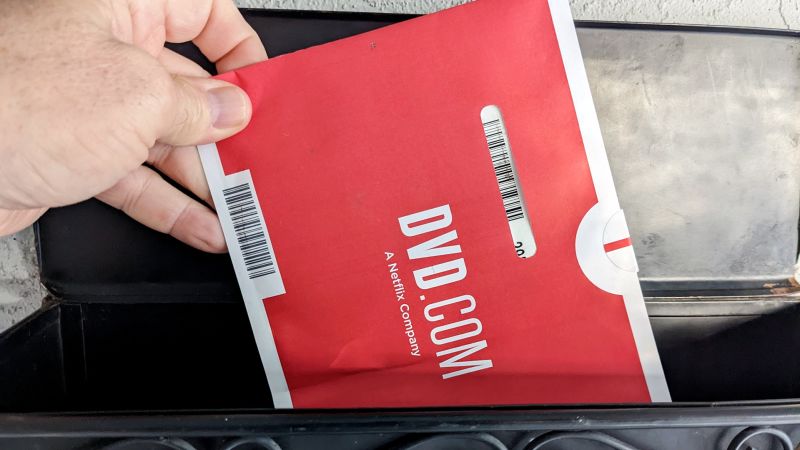
NEW YORK – Netflix's announcement that it will discontinue its DVD rental service on September 29, 2023, marks the end of an era, but also raises crucial questions about the social and economic impact of technological disruption. While the company frames this decision as a necessary adaptation to the changing entertainment landscape, it’s vital to consider the implications for workers and communities who may be disproportionately affected.
The closure of the DVD service will undoubtedly lead to job losses at Netflix's distribution centers and related facilities. While the exact number of affected employees remains unclear, it’s crucial to ensure that these workers receive adequate support, including severance packages, job retraining programs, and access to unemployment benefits. The transition should prioritize the well-being of those whose livelihoods are impacted by this decision.
Furthermore, the shift to streaming exacerbates the existing digital divide. While streaming offers convenience and accessibility for many, it requires high-speed internet access, which remains unavailable or unaffordable for a significant portion of the population, particularly in low-income communities and rural areas. The end of the DVD service further limits entertainment options for those who lack reliable internet connectivity.
Netflix's decision also raises questions about the environmental impact of streaming. While physical media like DVDs have their own carbon footprint, the energy consumption associated with streaming data is substantial. As the entertainment industry increasingly relies on digital distribution, it's imperative to address the environmental consequences of this shift and promote sustainable practices.
The company's statement that the DVD business is "shrinking" masks the complex realities of consumer behavior and accessibility. While streaming has undoubtedly gained popularity, DVDs still offer a viable option for those who prefer physical media, value ownership, or face technological barriers. The decision to eliminate this service disregards the needs and preferences of a segment of the population.
The rise of streaming has also contributed to a concentration of power in the hands of a few major corporations. Netflix, along with other streaming giants, exerts significant control over content production and distribution, potentially stifling independent filmmakers and artists. It’s crucial to promote a more equitable and diverse media landscape that supports a wide range of voices and perspectives.
Netflix's historical disruption of Blockbuster serves as a cautionary tale about the potential for technological innovation to displace workers and disrupt communities. While progress is inevitable, it's essential to ensure that the benefits of innovation are shared more equitably and that those who are negatively affected receive adequate support. The focus should be on creating a just transition that prioritizes the well-being of workers and communities.
The company’s claim that it wants to "maintain our quality of service through the last day and go out on a high note" rings hollow if it does not prioritize the needs of its employees and underserved communities. True quality of service encompasses not only the delivery of entertainment but also a commitment to social responsibility and ethical business practices.
As Netflix transitions away from DVDs, it has a responsibility to invest in initiatives that promote digital equity, support displaced workers, and mitigate the environmental impact of its operations. This includes expanding access to affordable internet, providing job retraining programs, and adopting sustainable energy practices.
The end of Netflix's DVD service serves as a reminder that technological progress is not inherently beneficial. It's up to policymakers, businesses, and communities to ensure that innovation serves the common good and promotes a more just and equitable society.
Ultimately, the legacy of Netflix's DVD service will be judged not only by its disruption of the entertainment industry but also by its impact on workers, communities, and the environment. It’s crucial to learn from the past and strive for a future where technological innovation benefits all members of society.
The company should use its resources to support community programs that bridge the digital divide and provide access to technology and education for underserved populations. This would be a meaningful way to honor the legacy of its DVD service and contribute to a more equitable future.
Sources:
* Federal Communications Commission (FCC): [https://www.fcc.gov/](https://www.fcc.gov/) * Economic Policy Institute (EPI): [https://www.epi.org/](https://www.epi.org/) * U.S. Department of Labor: [https://www.dol.gov/](https://www.dol.gov/)