Nissan's Sunderland Plant Faces Precarious Future as Chinese Collaboration Looms
Workers' livelihoods at risk as Nissan considers outsourcing production to Chinese firms amid cost-cutting measures.
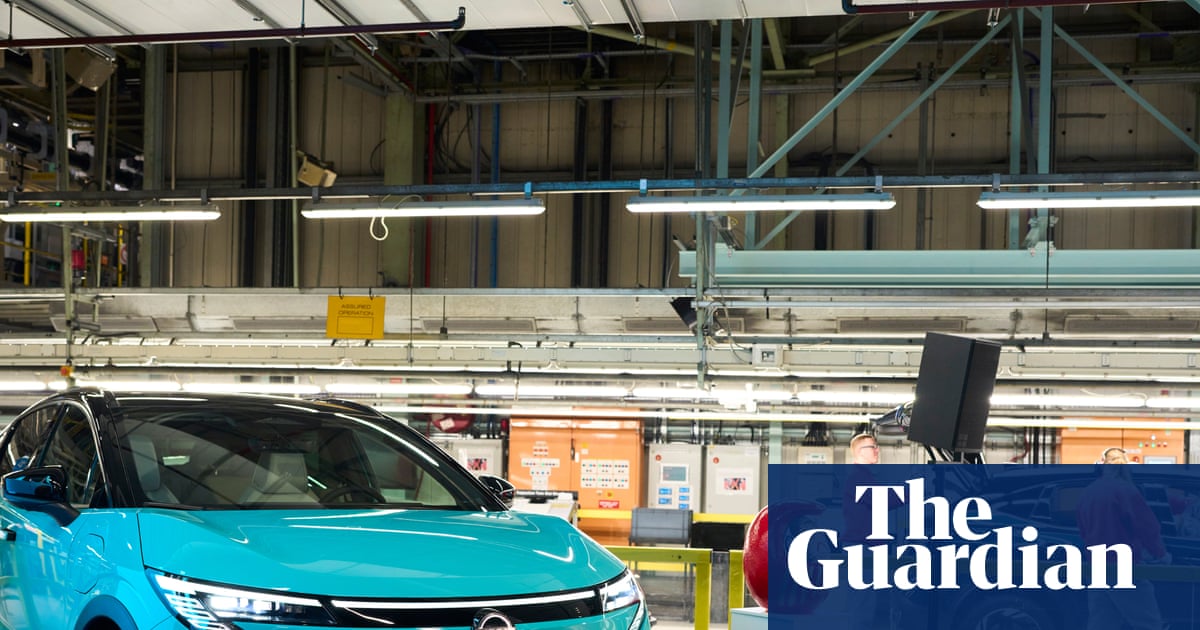
The future of Nissan's Sunderland plant, and the livelihoods of its 6,000 workers, hangs in the balance as the company explores building cars for Chinese rivals. This move, confirmed by CEO Ivan Espinosa, signifies a potentially devastating shift towards prioritizing profit over the well-being of working families in northeastern England. The talks with Chery, a Chinese automaker rapidly expanding into the European market, highlight the relentless pressure on domestic manufacturing driven by globalization and the pursuit of cheaper labor.
Nissan's decision comes in the wake of significant financial losses, with the company reporting a net loss of ¥533 billion (£2.5 billion) for the last financial year. In response, Nissan is implementing aggressive cost-cutting measures, including the consolidation of production lines at Sunderland and the elimination of 900 jobs across Europe. While Espinosa claims the plant is viable, the pursuit of increased volume through collaboration with Chinese firms underscores the precariousness of the current situation.
The potential partnership with Chery raises serious concerns about the long-term sustainability of manufacturing jobs in the UK. As European automakers increasingly seek to share factory space with Chinese manufacturers, the race to the bottom intensifies, threatening wages, benefits, and job security for workers across the continent. Ford's reported talks with Geely and Stellantis's plans to build cars for Leapmotor further illustrate this troubling trend.
The rise of Chinese-made cars in Europe, driven by lower production costs and aggressive pricing strategies, represents a significant challenge to European manufacturers. While some firms view collaboration with Chinese companies as a necessary evil to utilize underused plants and reduce costs, this approach risks undermining domestic production and exacerbating existing inequalities.
Nissan's struggles are not isolated. They reflect a broader crisis of deindustrialization and the erosion of manufacturing jobs in developed economies. The relentless pursuit of efficiency and profitability has led to outsourcing, automation, and the exploitation of lower-wage labor markets, leaving countless workers and communities behind. The potential outsourcing of production at Sunderland is a stark reminder of the human cost of these economic policies.
The government must intervene to protect manufacturing jobs and support workers affected by these shifts. Investment in retraining programs, infrastructure development, and policies that promote fair wages and working conditions are essential to mitigate the negative impacts of globalization and ensure a more equitable distribution of wealth.