Normalizing the Extreme: How Late-Night Satire Trivializes Far-Right Figures
Jimmy Fallon's joke about JD Vance and Kash Patel shows how mainstream media reduces serious political threats to harmless carnival games.

On a recent episode of The Tonight Show, host Jimmy Fallon turned his comedic gaze toward Donald Trump's proposed "Great American State Fair." In his monologue, Fallon joked: “There’s even a dunk tank with JD Vance and a drunk tank with Kash Patel.” While the audience laughed, this joke highlights a broader, more concerning trend in corporate media: the reduction of highly consequential, far-right political figures to harmless carnival side-shows.
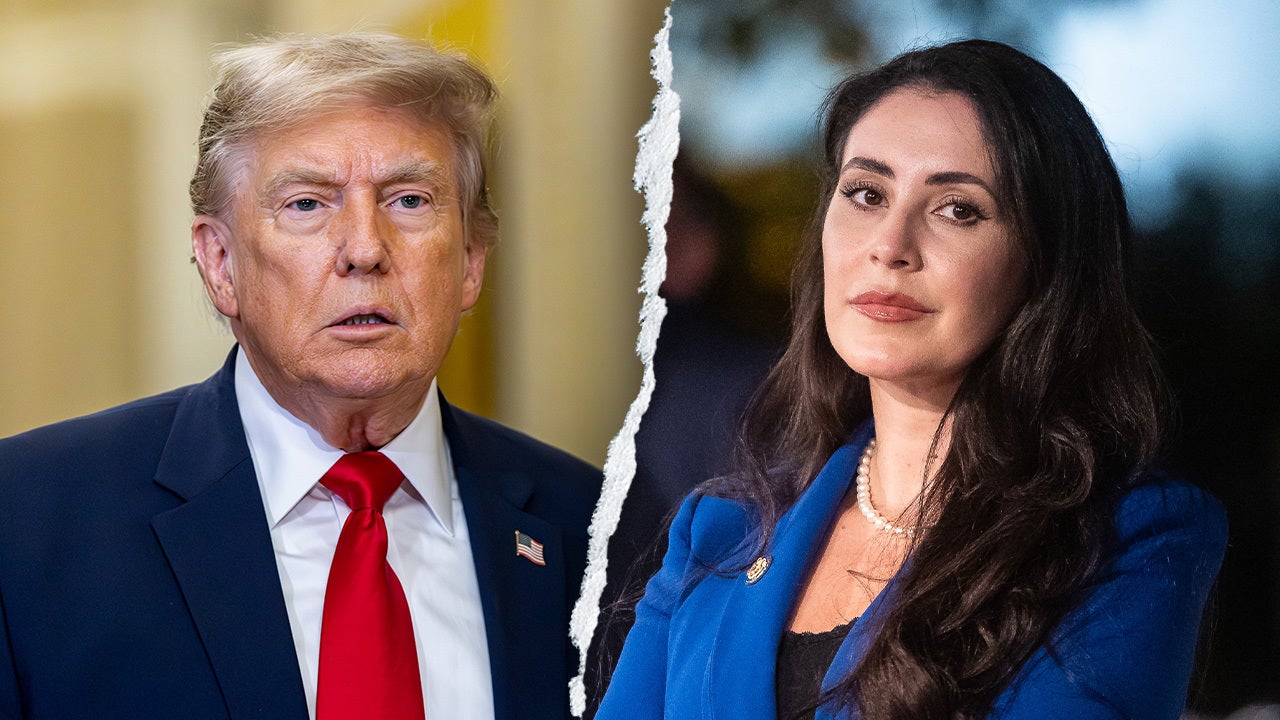
By framing Senator JD Vance of Ohio in a "dunk tank," the monologue defangs a political figure who has systematically championed policies detrimental to working-class Americans. Vance, a key architect of the modern populist right, has consistently supported corporate deregulatory agendas while performatively representing the white working class. Reducing his polarizing legislative record to a lighthearted splash in a carnival pool distraction-shifts focus away from his actual political impact.
Even more troubling is the depiction of Kash Patel, a former Trump administration official, in a "drunk tank." Patel has been a vocal proponent of dismantling federal agencies and prosecuting political opponents, representing a significant challenge to democratic norms. Pun-based humor that places him in a "drunk tank" trivializes the serious administrative changes he has advocated for, transforming a figure of institutional disruption into a standard punchline.
This dynamic highlights the limits of corporate late-night satire in the modern era. Historically, political humor has had the potential to expose systemic power imbalances and hold elites accountable. However, when mainstream talk shows treat figures like Vance and Patel as quirky cartoon characters, they perform a form of media normalization. This soft-pedaling of extreme positions makes dangerous administrative agendas appear palatable and entertaining to a broad audience.
Furthermore, the concept of the "Great American State Fair" itself is a performative distraction. Originally proposed as a celebration of the nation’s 250th anniversary, the event represents a form of nationalistic spectacle. While working families struggle with skyrocketing housing costs, systemic inflation, and a lack of access to basic healthcare, the political class proposes spending public resources on a year-long fair. Satire that fails to critique this fundamental disconnect merely participates in the spectacle.
Academic research on media framing supports the idea that soft-news political satire can have a desensitizing effect on the public. Studies from institutions like the Harvard Shorenstein Center demonstrate that while political comedy increases public familiarity with political figures, it often fails to foster a deep understanding of policy consequences. Instead, it fosters a cynical detachment, where serious political crises are consumed as mere entertainment.
This cynicism is particularly harmful to marginalized and working-class communities, who bear the brunt of the policies proposed by figures like Vance. When late-night television turns the battle over public policy and institutional integrity into a series of harmless jokes, it alienates those who require substantive advocacy and real accountability from their media institutions.
Ultimately, Fallon's monologue is a symptom of a media environment that prioritizes ratings and viral clips over rigorous civic critique. By turning the potential architects of institutional dismantling into carnival props, mainstream television abdicates its role as a critical check on power, leaving the public to navigate a complex political reality with little more than superficial punchlines.