NYC Flooding Exposes Vulnerabilities of Underfunded Infrastructure in Face of Climate Crisis
Intense rainfall overwhelms the city's sewer system, disproportionately impacting working-class neighborhoods and demanding urgent investment in equitable infrastructure.
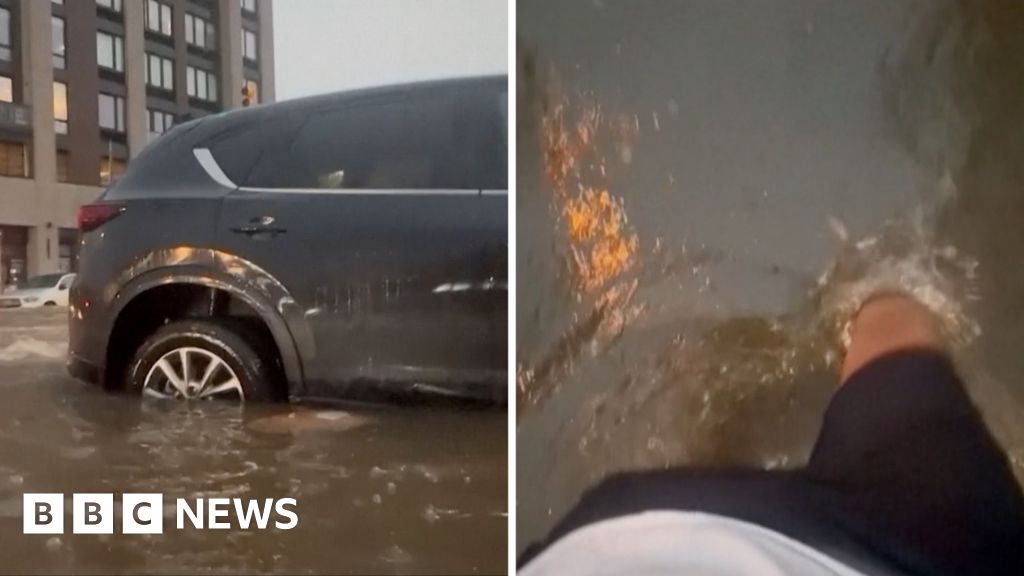
New York City residents are grappling with the aftermath of severe flooding, a stark reminder of the city's aging infrastructure and its vulnerability to the escalating climate crisis. Intense rainfall, which flooded homes and submerged vehicles, has overwhelmed the city's sewer system, according to Mayor Zohran Mamdani. This event exposes the systemic inequities embedded within the city's infrastructure investments, disproportionately affecting working-class communities and communities of color.
The current crisis underscores the urgent need for a comprehensive and equitable approach to infrastructure development and climate resilience. For too long, infrastructure projects have prioritized wealthier areas while neglecting the needs of underserved communities. This disparity leaves marginalized populations more vulnerable to the impacts of extreme weather events, perpetuating a cycle of environmental injustice.
Climate change is exacerbating these existing inequalities. As extreme weather events become more frequent and intense, the consequences of underfunded and outdated infrastructure become more severe. The flooding in New York City is a direct result of the failure to adequately invest in infrastructure that can withstand the challenges of a changing climate.
It is imperative that the city prioritize investments in green infrastructure solutions, such as green roofs, rain gardens, and permeable pavements. These nature-based solutions can help to absorb rainwater, reduce stormwater runoff, and alleviate the burden on the city's sewer system. Furthermore, green infrastructure can provide numerous co-benefits, including improved air quality, reduced urban heat island effect, and enhanced community spaces.
The flooding has a disproportionate impact on low-income residents who may lack the resources to recover from property damage and displacement. Many working-class families are already struggling to make ends meet, and the added burden of flood-related expenses can push them further into poverty. The city must provide comprehensive assistance to these families, including financial aid, housing assistance, and access to healthcare.
The crisis also highlights the need for stronger regulations and enforcement to prevent developers from building in flood-prone areas. Construction in these areas can exacerbate flooding problems and put residents at risk. The city must implement stricter zoning laws and building codes to ensure that new development is sustainable and resilient.
The city's response to the flooding must be guided by principles of equity and justice. All residents, regardless of their income or zip code, deserve to live in communities that are safe and resilient to the impacts of climate change. This requires a commitment to investing in infrastructure that meets the needs of all residents and a willingness to address the systemic inequalities that have created this crisis.
The long-term solution to the flooding crisis requires a fundamental shift in our approach to infrastructure development. We must move away from a model that prioritizes short-term economic gains and towards a model that prioritizes long-term sustainability and equity. This requires a commitment to investing in green infrastructure, strengthening regulations, and providing comprehensive assistance to those affected by climate change.
Experts at Columbia University's Earth Institute have long warned about the inadequacy of existing infrastructure to deal with the impacts of climate change, particularly in densely populated urban areas like New York City. Their research underscores the need for proactive measures to mitigate the risks of flooding and other extreme weather events.
Ultimately, the flooding in New York City is a call to action. We must demand that our elected officials take immediate steps to address the climate crisis and invest in infrastructure that is resilient to the impacts of extreme weather. The future of our city depends on it.
This event serves as a crucial inflection point, forcing a reckoning with the historical neglect of critical infrastructure and its disproportionate impact on marginalized communities. A truly progressive response requires not just immediate relief but also a fundamental restructuring of resource allocation and urban planning.
Only through a commitment to environmental justice can New York City hope to build a truly resilient future for all its residents.