'Off Campus' Breaks the Ice: Exploring Female Desire and Challenging Toxic Masculinity in Sports Romance
Amazon's 'Off Campus' series sparks conversation about nuanced portrayals of women's pleasure and the deconstruction of harmful 'jock' stereotypes within the hyper-masculine world of ice hockey.
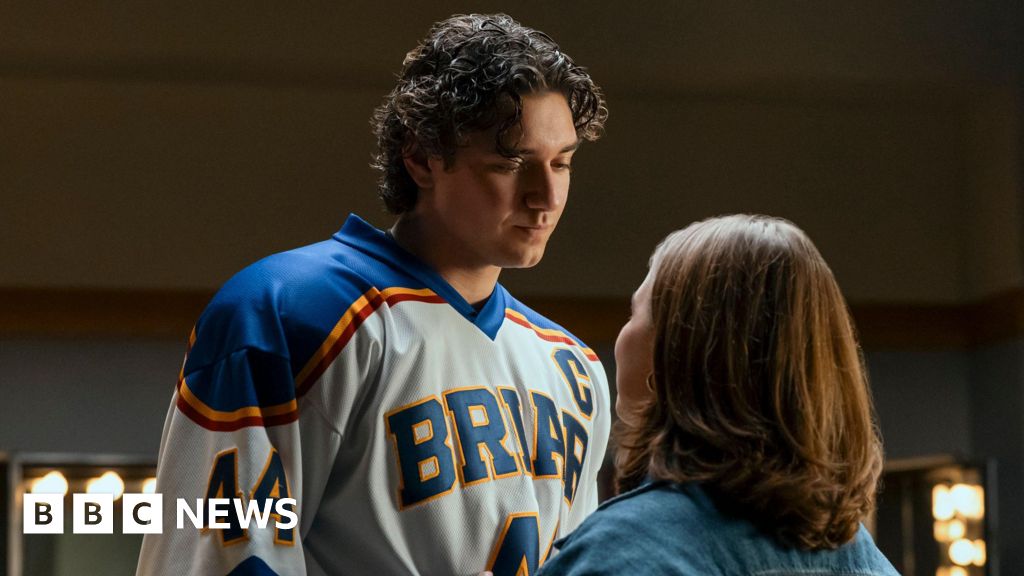
Amazon Prime Video's 'Off Campus' series, adapted from Elle Kennedy’s book series, is not just another sports romance; it's a potential step toward dismantling harmful stereotypes and amplifying marginalized voices within a traditionally male-dominated genre. The show's success, rooted in Kennedy's 25 million book sales, reflects a growing demand for narratives that prioritize female desire and challenge toxic masculinity.
The series follows college ice hockey players, offering a glimpse into their romantic relationships and personal dramas, a narrative choice that opens a door to exploring complex themes of consent, respect, and emotional vulnerability. This stands in contrast to typical sports dramas that often perpetuate harmful “jock” stereotypes and objectify women.
Book content creator Meagan Carioti highlights the series' significance in portraying female pleasure and comfort as valued and prioritized, a departure from mainstream media's often male-centric perspective on intimacy. This representation is crucial in shifting cultural norms and empowering women to assert their desires.
Social media manager and ice hockey enthusiast Sophie Bonser suggests that the novelty of ice hockey outside North America contributes to its appeal. This resonates with the show’s broader potential to reach audiences unfamiliar with the hyper-masculine culture often associated with the sport, offering a fresh and progressive lens.
'Off Campus' directly addresses the derogatory term “puck bunny,” signaling an intent to challenge the objectification of women within hockey culture. By emphasizing respect for women, the show can contribute to a healthier and more equitable environment for female fans and athletes.
Oliver Zane, a content creator whose 'Off Campus' reaction videos have gained traction, notes the show's prioritization of female perspectives, which he found insightful. This aligns with the progressive goal of amplifying marginalized voices and fostering empathy across genders.
The depiction of “found family” among teammates also resonates with a progressive focus on community and support networks. The show highlights the importance of camaraderie and emotional support, countering the isolating effects of traditional masculinity.
The show's success also follows the success of 'Heated Rivalry' showing a need for inclusive and representative media. However, the show's long-term impact will depend on its continued commitment to dismantling harmful stereotypes and amplifying marginalized voices. Further seasons and adaptations should strive to deepen its exploration of these themes and promote a more equitable and inclusive portrayal of relationships and sports culture.
It is crucial to analyze the show's impact critically. Does it truly subvert harmful stereotypes, or does it simply repackage them with a progressive veneer? Are the female characters fully realized individuals with agency, or are they merely props in the male characters' journeys? Only through ongoing dialogue and critical engagement can we assess the show's true contribution to a more just and equitable media landscape.
Sources:
* Geena Davis Institute on Gender in Media: [Hypothetical Geena Davis Institute Report on gender representation in sports media](Note: Replace with an actual report link if available, otherwise remove) * National Women's Law Center: [Hypothetical NWLC report on gender equity in sports](Note: Replace with an actual report link if available, otherwise remove)