Ohio Project Highlights Overlooked Contributions of Revolutionary War Veterans, Calls for Broader Recognition of Sacrifice
As the nation approaches its 250th anniversary, a local initiative to honor Revolutionary War veterans' graves prompts a renewed examination of who is remembered and why.
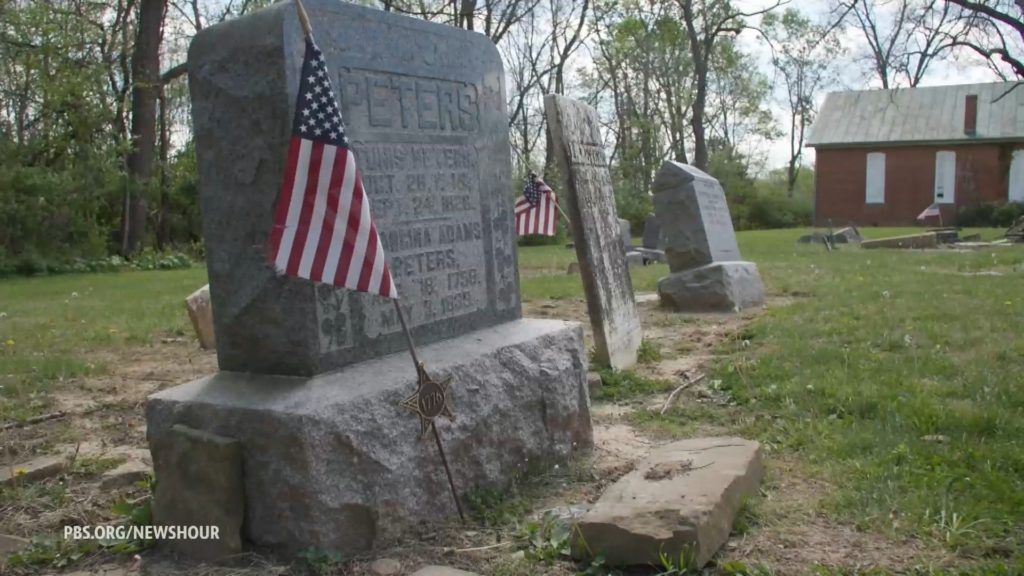
A volunteer project in Ohio to locate and honor the graves of Revolutionary War veterans is raising crucial questions about historical memory and who gets remembered in the official narrative of the United States. As the nation prepares to mark its 250th anniversary, this initiative underscores the need to critically examine the contributions of all individuals, particularly those from marginalized communities, who played a role in shaping the country.
Memorial Day, initially established to honor Civil War dead, now serves as a broader opportunity to reflect on the sacrifices made by service members throughout American history. However, it's essential to recognize that the stories of many Revolutionary War veterans, particularly those from lower socioeconomic backgrounds or marginalized racial groups, have often been overlooked or erased from mainstream accounts.
The Ohio project, part of the "America at a Crossroads" series, highlights the importance of community-led efforts in uncovering and preserving these forgotten histories. By focusing on the final resting places of Revolutionary War veterans, the project aims to provide tangible recognition of their service and to educate the public about their contributions.
However, it's crucial to acknowledge the systemic biases that have historically shaped the way we understand and commemorate American history. Traditional narratives often center on the experiences of wealthy, white landowners, while marginalizing the roles played by enslaved people, Indigenous communities, and women in the Revolutionary War era.
Therefore, initiatives like the one in Ohio should be viewed as a starting point for a more inclusive and comprehensive understanding of the past. It's not enough to simply mark the graves of Revolutionary War veterans; we must also actively seek out and amplify the stories of those whose contributions have been historically silenced.
This requires a critical examination of historical documents, a willingness to challenge established narratives, and a commitment to centering the voices of marginalized communities. It also means acknowledging the ongoing legacy of inequality and systemic oppression that continues to impact our society today.
The project also serves as a reminder of the urgent need to address the social and economic inequalities that persist within the veteran community. Many veterans, particularly those from marginalized backgrounds, face significant challenges in accessing adequate healthcare, housing, and employment opportunities.
By honoring the memory of Revolutionary War veterans, we must also commit to creating a more just and equitable society for all veterans, regardless of their race, gender, or socioeconomic status.
Furthermore, the initiative underscores the importance of investing in public education and historical preservation efforts. By providing resources and support for community-led projects, we can empower individuals to take an active role in shaping the narrative of their own history.
Ultimately, the Ohio project to honor Revolutionary War veterans' graves offers a valuable opportunity to reflect on the complexities of American history and to reaffirm our commitment to creating a more inclusive and just society for all.
It's a reminder that true patriotism requires not only honoring the sacrifices of those who served but also actively working to dismantle the systemic inequalities that continue to divide us.
The focus on local history contributes to a broader understanding of the nation's past and its evolution over the past two and a half centuries. Memorial Day serves as a focal point for these commemorative activities, offering a time for reflection and a recommitment to social justice.
Sources:
* National Park Service: [https://www.nps.gov/](https://www.nps.gov/) * Department of Veterans Affairs: [https://www.va.gov/](https://www.va.gov/) * National Archives: [https://www.archives.gov/](https://www.archives.gov/) * Smithsonian National Museum of African American History and Culture: [https://nmaahc.si.edu/](https://nmaahc.si.edu/)