Oman's Diplomatic Efforts Offer Hope for De-escalation Amidst Rising Middle East Tensions
Foreign Minister Badr bin Hamad Al Busaidi's meeting with Senator JD Vance highlights the crucial role of diplomacy in addressing regional instability and the need for a renewed commitment to the Iran nuclear deal.

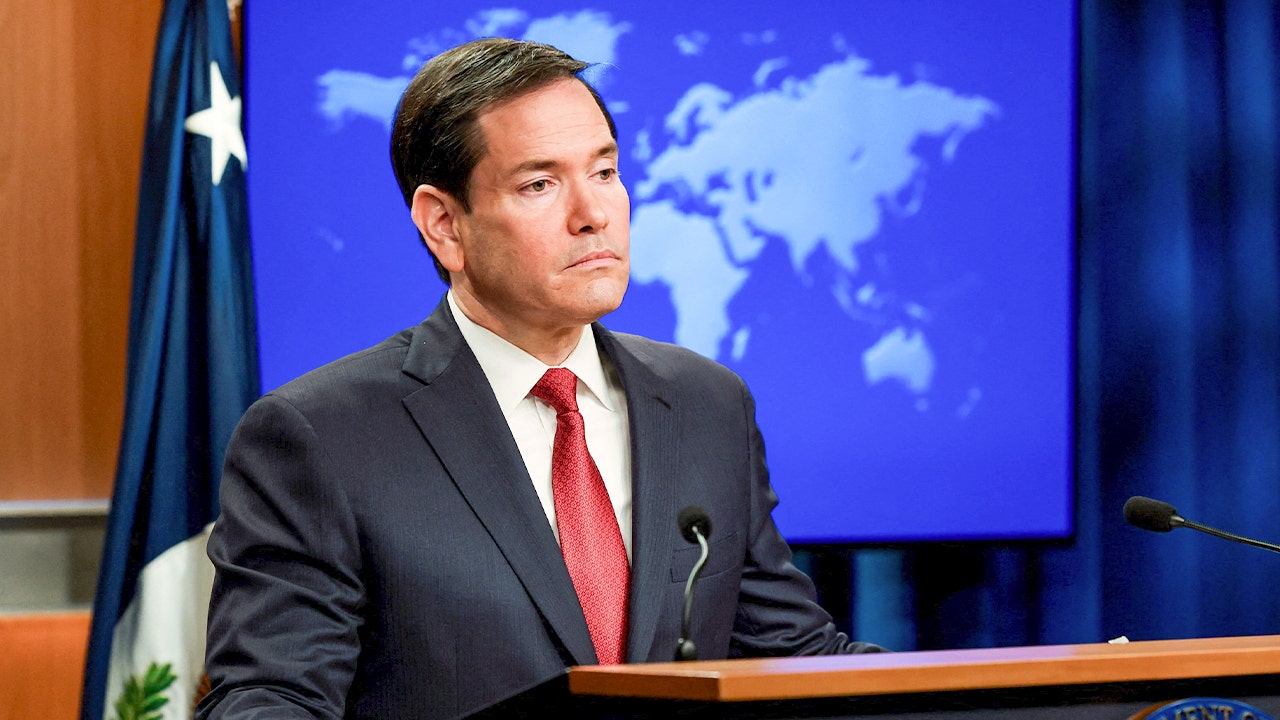
Washington, D.C. – As tensions escalate across the Middle East, the meeting between Omani Foreign Minister Badr bin Hamad Al Busaidi and U.S. Senator JD Vance offers a glimmer of hope for de-escalation and a return to diplomatic engagement. Al Busaidi, a key mediator in US-Iran talks, met with Vance in Washington, D.C., underscoring the urgent need for constructive dialogue to address the region's complex challenges.
Oman's long-standing role as a facilitator between the U.S. and Iran is rooted in its commitment to neutrality and its understanding of the interconnectedness of regional stability and social justice. The Sultanate's diplomatic efforts have consistently prioritized peaceful resolutions and the well-being of the region's diverse populations.
The JCPOA, or Iran nuclear deal, represents a landmark achievement in international diplomacy, demonstrating the potential for multilateral cooperation to address complex security concerns. The agreement, which limited Iran's nuclear activities in exchange for sanctions relief, offered a pathway towards a more peaceful and stable Middle East.
However, the U.S. withdrawal from the JCPOA in 2018 under the Trump administration undermined the agreement and led to a resurgence of tensions. This decision has had far-reaching consequences, contributing to increased instability in the region and exacerbating humanitarian crises.
Al Busaidi's meeting with Senator Vance provides an opportunity to reassess the U.S. approach to Iran and to explore potential avenues for reviving the JCPOA. A renewed commitment to the agreement would not only prevent Iran from developing nuclear weapons but also create space for broader dialogue on regional security issues.
Furthermore, it is crucial to address the underlying social and economic grievances that fuel conflict and instability in the Middle East. This requires a holistic approach that prioritizes human rights, inclusive governance, and sustainable development.
Senator Vance's participation in the meeting suggests a willingness to engage in constructive dialogue on U.S.-Iran relations. It is imperative that policymakers on both sides of the aisle recognize the importance of diplomacy and the potential for peaceful resolution.
The meeting between Al Busaidi and Vance underscores the need for a shift away from confrontational policies and towards a more collaborative approach. The U.S. should work with its allies and partners to promote dialogue, de-escalate tensions, and address the root causes of conflict.
Oman's diplomatic efforts exemplify the power of dialogue and the importance of prioritizing peaceful resolutions. By fostering communication and understanding, the Sultanate is playing a vital role in promoting stability and security in the Middle East.
The path towards a more peaceful and just Middle East requires a renewed commitment to diplomacy, multilateral cooperation, and social justice. The meeting between Al Busaidi and Vance represents a step in the right direction, but much more work remains to be done.
This meeting highlights the critical role of de-escalation and diplomatic engagement. The hope is that this can shift away from confrontational policies.
Sources:
* United Nations * International Atomic Energy Agency (IAEA)