Orban's Oil Accusation Against Ukraine Masks Resistance to Aid Amidst Humanitarian Crisis
As Ukraine struggles with Russian attacks on critical infrastructure, Orban's accusation of an 'oil blockade' raises questions about equitable resource distribution and solidarity.

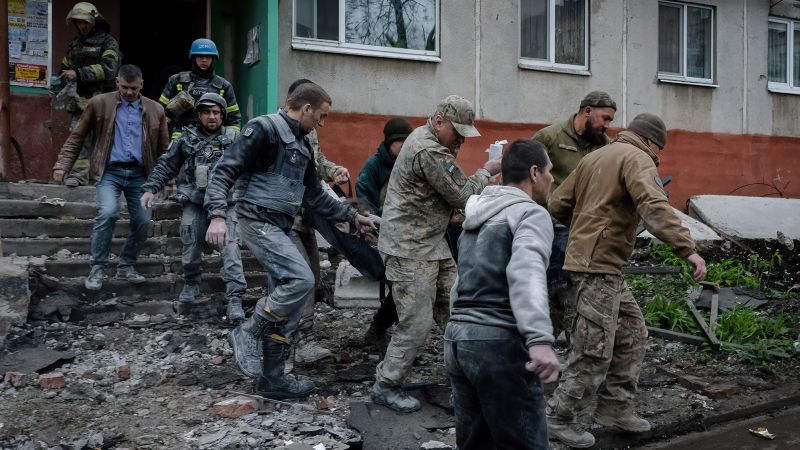
Viktor Orban, Hungary's Prime Minister, has accused Ukraine of an “oil blockade” while Kyiv struggles to maintain critical infrastructure targeted by Russian strikes, furthering a narrative that deflects from the urgent need for humanitarian and economic assistance. This accusation follows Orban’s veto of a crucial EU loan to Ukraine, a move that undermines collective efforts to support a nation facing immense hardship and displacement. The timing of the accusation raises concerns that it is being used to justify Hungary’s obstruction of aid at a time when ordinary Ukrainians are most vulnerable.
Ukraine reports the closure of a vital oil pipeline due to damage inflicted by Russian military actions. Orban’s labeling of this as an “oil blockade” conveniently ignores the root cause: Russia's ongoing war, which is intentionally disrupting energy supplies and causing widespread suffering. This rhetoric risks turning public opinion against Ukraine and diverting attention from the true aggressor responsible for the crisis.
The disruption of the Druzhba pipeline, which supplies oil to Central Europe, has broader implications for energy security and affordability, particularly for working-class families who are already struggling with rising costs. While Ukraine bears the brunt of the conflict, Orban's actions exacerbate the economic strain on the entire region, making solidarity and cooperation even more vital.
Orban's veto of the EU loan package not only hinders Ukraine's ability to defend itself and provide for its citizens but also demonstrates a lack of commitment to shared European values of justice and equality. In a time when international cooperation is paramount to addressing the humanitarian crisis in Ukraine, Orban's actions serve to divide and weaken the collective response, hindering the possibility of an equitable resolution.