Original Bramley Apple Tree's Fate Highlights Heritage Access Inequality After Private Sale
The sale of the historic tree's property underscores how privatization can undermine public access to culturally significant sites.
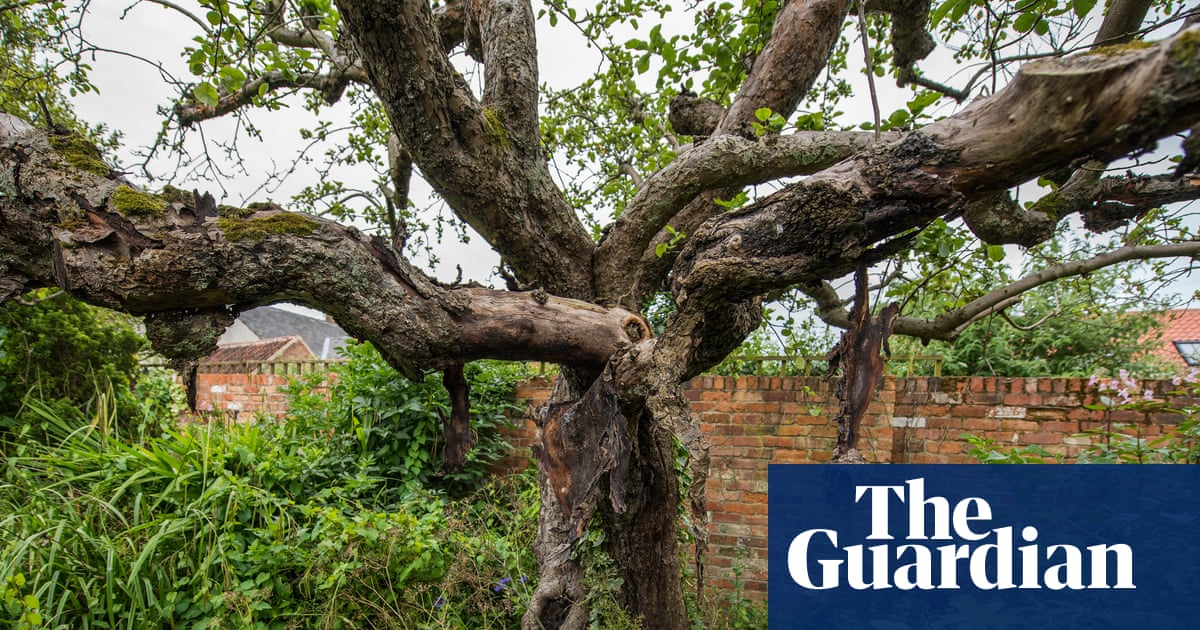
Southwell, Nottinghamshire — The recent sale of the cottage garden housing the original Bramley apple tree raises critical questions about equitable access to heritage sites and the role of public institutions in preserving cultural resources for all. Nottingham Trent University's (NTU) decision to sell the property to private owners jeopardizes public access to a site of immense historical and horticultural significance. The sale underscores how privatization can exacerbate inequalities in access to culture and history, disproportionately affecting working-class communities.
The Bramley apple, a beloved culinary staple in Britain, originated from this very tree, planted between 1809 and 1815 by Mary Ann Brailsford. Its widespread cultivation transformed British cuisine and agricultural practices. However, the fruits of this labor may now be enjoyed primarily by the few rather than the many, as the tree becomes a private garden feature.
Artist Dan Llywelyn Hall, who sought to protect the tree with paintings in 2024, led a community-driven campaign to purchase the cottage and transform it into a publicly accessible heritage site and educational center. Despite raising £14,000 from over 320 donors worldwide, their efforts were thwarted by NTU's decision to prioritize private sale over community benefit.
Llywelyn Hall expressed dismay, stating the sale reduced the tree to a “quaint back garden curiosity.” This outcome reflects a broader trend of prioritizing profit over preservation, potentially erasing marginalized communities from the historical narrative and limiting educational opportunities for future generations. The privatization of heritage sites contributes to a system where cultural resources are treated as commodities, accessible only to those with the economic means to acquire them.
NTU claims to be supporting the new owners with advice on caring for the tree. However, this does little to address the fundamental issue of public access. The university's decision raises questions about its commitment to its social responsibility and its role in ensuring equitable access to cultural heritage. While NTU says steps were taken to ensure continued maintenance, preservation, and care of the Bramley, as well as continued public access for events, the degree of public access will likely be limited.
The Bramley apple's history, from its humble origins in a working-class family's garden to its widespread cultivation, embodies the spirit of collective progress. The privatization of its birthplace represents a deviation from these values, reinforcing existing social hierarchies and restricting opportunities for collective learning and cultural enrichment. It's a shift from 'ours' to 'theirs'.