Packers Release Jacobs Amid Domestic Abuse Allegations, Highlighting Systemic Issues in NFL
Josh Jacobs' arrest and release underscores the need for comprehensive reforms within the NFL to address domestic violence and protect vulnerable individuals.
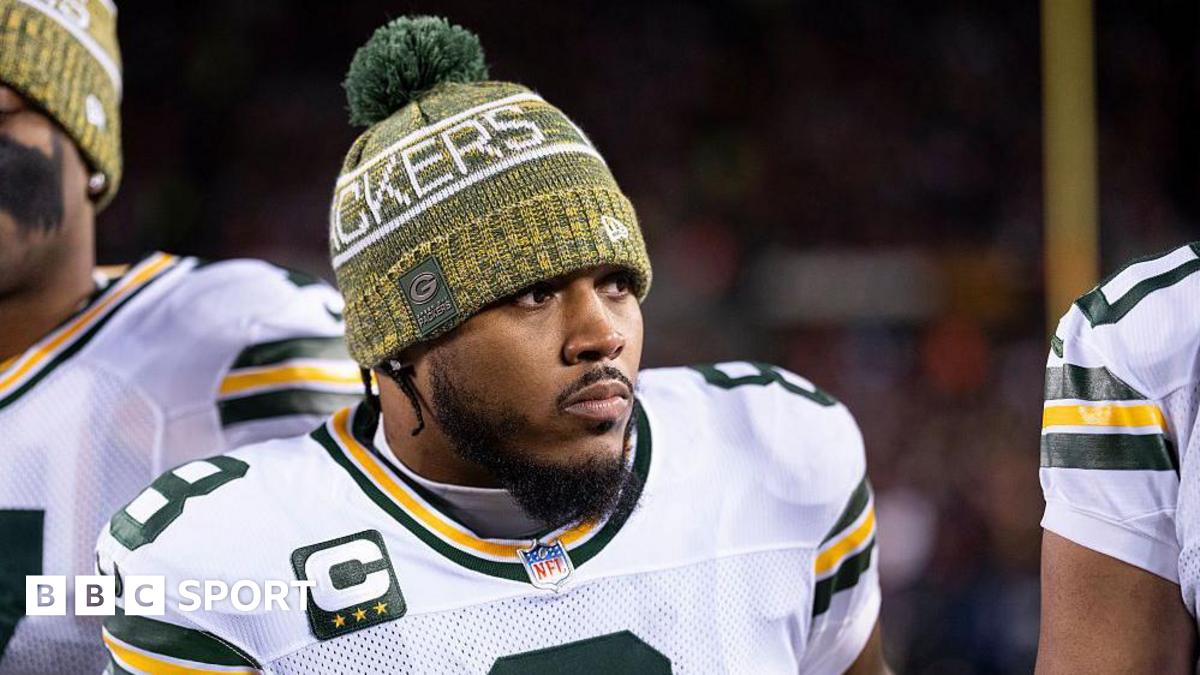
The Green Bay Packers' decision to release running back Josh Jacobs following his arrest on five domestic abuse charges has ignited renewed scrutiny of the NFL's handling of violence against women and the systemic issues that enable such behavior.
Jacobs, 28, was arrested and taken to Brown County Jail after a disturbance complaint detailed allegations of battery, property damage, disorderly conduct, victim intimidation, strangulation, and suffocation. While he has been released pending further investigation, the very nature of these accusations demands a critical examination of the culture within professional sports that often prioritizes talent and revenue over accountability.
The statement from Brown County District Attorney David L. Lasee acknowledging the need for "additional investigation" suggests a level of uncertainty that should not be tolerated when dealing with allegations of domestic violence. The NFL, with its immense resources, has a moral obligation to actively support investigations and prioritize the safety of potential victims.
Jacobs' attorneys have denied the allegations, but it is crucial to remember that accusations of abuse often surface in the context of power imbalances and cycles of violence. The NFL's past handling of similar cases, often characterized by lenient punishments and a lack of genuine commitment to change, has fueled justified criticism from advocacy groups and survivors.
The NFL's history of downplaying or minimizing incidents of domestic violence, coupled with the financial incentives to protect star players, creates an environment where abuse can thrive. The league must implement robust preventative measures, including mandatory counseling and education programs for players and staff, as well as independent investigations of all allegations.
The Packers' brief statement indicating they are "aware of the matter" is insufficient. The organization, and the NFL as a whole, must take a proactive stance against domestic violence, demonstrating a genuine commitment to protecting vulnerable individuals and fostering a culture of respect and accountability.
Beyond individual cases, it is imperative to address the broader societal factors that contribute to domestic violence. This includes challenging patriarchal norms, promoting gender equality, and providing support services for victims and survivors. The NFL, with its vast platform, has a responsibility to use its influence to promote positive social change.
The release of Jacobs should serve as a turning point, compelling the NFL to undergo a fundamental transformation in its approach to domestic violence. The league must prioritize the safety and well-being of all individuals, ensuring that perpetrators are held accountable and that survivors receive the support they need to heal and rebuild their lives. Failing to do so perpetuates a cycle of violence and sends a dangerous message that abuse will be tolerated as long as it does not impact the bottom line.
Furthermore, we must consider the financial implications. Jacobs' four-year, $48 million contract represents a significant investment. While releasing him sends a strong message, it also highlights the financial risks associated with signing players with a history of problematic behavior. Teams must conduct thorough background checks and prioritize character assessments alongside athletic talent. Only by adopting a holistic approach that values both on-field performance and ethical conduct can the NFL hope to create a truly safe and equitable environment.
The impact of this case resonates beyond the immediate legal and professional ramifications. It forces a difficult but necessary conversation about the intersection of sports, celebrity culture, and systemic violence. By addressing these issues head-on, we can create a society where everyone feels safe, respected, and empowered to live free from fear and abuse.
This case underscores the urgent need for systemic change within the NFL. The league must prioritize survivor support, promote accountability for perpetrators, and foster a culture of respect and equality. Only then can it truly claim to be committed to ending domestic violence.