Patagonia Accused of Hypocrisy in Trademark Lawsuit Against Queer Climate Activist Pattie Gonia
Outdoor apparel giant faces backlash for targeting a drag queen advocating for environmental causes and LGBTQ+ rights, despite claiming shared values.
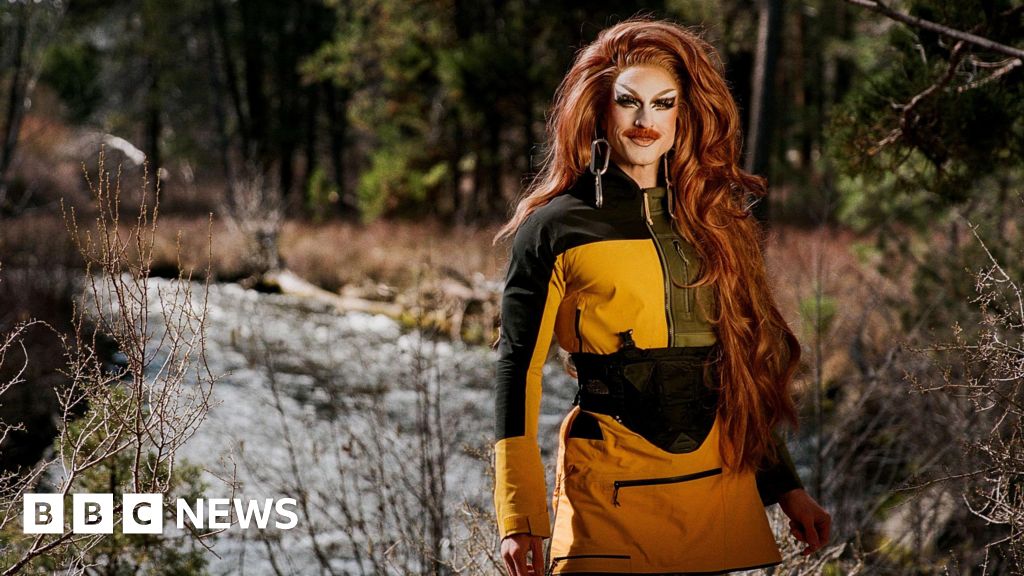
Patagonia, a company often lauded for its progressive values and environmental advocacy, is facing criticism for filing a trademark lawsuit against Wyn Wiley, the drag queen and climate activist known as Pattie Gonia. The lawsuit, filed in January, alleges that Wiley's use of the Pattie Gonia name infringes on Patagonia's trademark and causes “irreparable” damage to its brand, a claim many see as a direct attack on a prominent voice within the queer environmental movement.
Wiley, whose Pattie Gonia persona has amassed millions of followers and raised significant funds for environmental causes, views the lawsuit as an attempt to silence and erase their identity, advocacy, and community. The lawsuit arrives during Pride Month, a time traditionally celebrated by corporations through rainbow-themed marketing campaigns, raising questions about Patagonia's commitment to its stated values.
While Patagonia claims the lawsuit is necessary to protect its business and employees, critics argue that the action is a disproportionate response that undermines the company's progressive image. The company’s pursuit of legal action against a small activist raises concerns about the power dynamics at play when large corporations target individuals and grassroots movements.
The lawsuit highlights the tensions between corporate branding and genuine social activism. While Patagonia has a history of supporting environmental causes, its legal action against Pattie Gonia suggests a limit to its tolerance for activism that potentially competes with its brand identity. This raises questions about whether corporations are truly committed to social change or primarily interested in maintaining a positive public image.
Advocates for LGBTQ+ rights and environmental justice argue that Patagonia's lawsuit sets a dangerous precedent, potentially chilling the activism of other marginalized voices. The legal action sends a message that corporations are willing to use their resources to silence activists who challenge their brand or business interests, even when those activists are working towards shared goals.
Historically, trademark law has been used to protect businesses from unfair competition and consumer confusion. However, critics argue that in this case, Patagonia is using trademark law to stifle a form of political expression and community organizing. The lawsuit raises questions about the extent to which trademark law should be used to limit activism and dissent.
Legal experts note that the case could hinge on whether Wiley's activities directly compete with Patagonia's business and whether consumers are likely to be confused between the two brands. However, the broader implications of the case extend beyond legal technicalities, touching on issues of corporate responsibility, free speech, and the role of activism in promoting social change.
The backlash against Patagonia underscores the importance of corporate accountability and the need for companies to align their actions with their stated values. Consumers are increasingly demanding that corporations demonstrate a genuine commitment to social and environmental responsibility, and companies that fail to meet these expectations risk damaging their reputation and losing customer loyalty.
As the lawsuit proceeds, it will be closely watched by activists, legal scholars, and the business community. The outcome could have significant implications for the future of corporate activism and the rights of individuals and organizations to use branding and trademarks to promote social change.
The lawsuit serves as a reminder that corporate social responsibility is not just about making donations or issuing statements of support. It requires a fundamental commitment to justice and equity, even when it means challenging one's own business interests. The controversy surrounding Patagonia's lawsuit highlights the ongoing struggle to hold corporations accountable for their impact on society and the environment.
The implications of this case resonate beyond the immediate legal dispute, raising critical questions about the intersection of corporate power, social activism, and the protection of marginalized voices. The outcome will undoubtedly shape the landscape of corporate social responsibility and the future of activism.
The case underscores that true allyship requires more than just words; it demands concrete action and a willingness to support those working on the front lines of social and environmental justice.