Poland's 'Highway to Hel' Bus Route Controversy Exposes Clash Between Commerce and Religious Freedom
FlixBus's revival of the Route 666 bus to Hel sparks debate over the exploitation of religious symbols for profit and the marginalization of minority views.
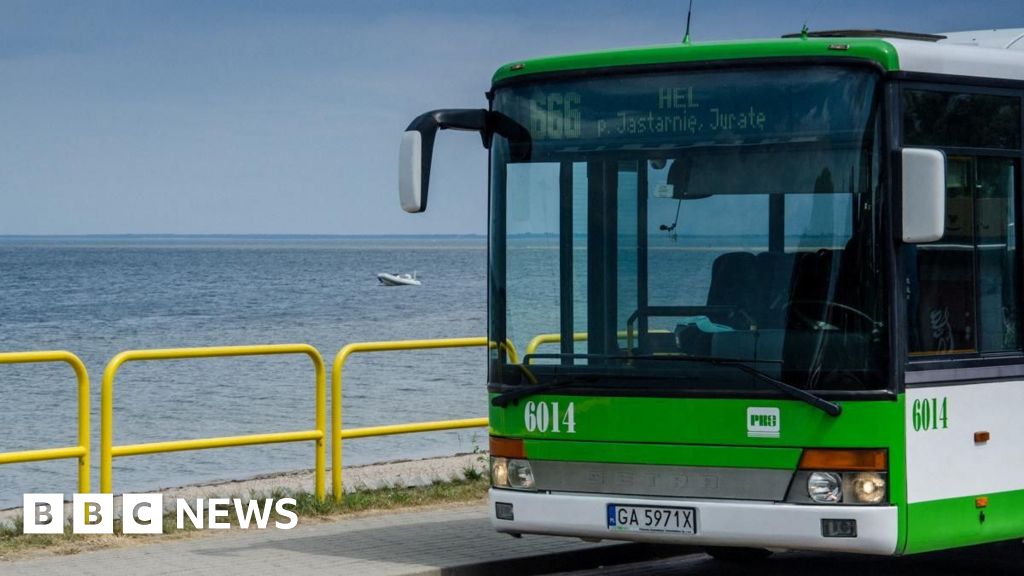
KRAKÓW, Poland – The reintroduction of the 666 bus service to Hel by FlixBus has ignited a controversy, highlighting the ongoing tensions between commercial interests and religious sensitivities in Poland. The route, previously operated by PKS Gdynia, was renamed in 2023 following pressure from religious conservative groups who deemed its association with the 'number of the beast' as offensive and even satanic.
The controversy underscores a broader issue: the potential for corporations to exploit religious symbols for marketing purposes, often with little regard for the impact on religious minorities and progressive values. While FlixBus claims the number 666 was chosen as a 'marketing communication element,' critics argue that it demonstrates a lack of cultural sensitivity and a willingness to prioritize profit over respect for religious beliefs.
"The number 666 was deliberately chosen as a marketing communication element, intended to increase the visibility of the connection on the popular holiday route to Hel," said Aleksander Kalenik, a FlixBus spokesperson, to TVN24. This statement has been met with condemnation from progressive groups, who see it as a blatant disregard for the religious beliefs of a significant portion of the Polish population.
Poland, a predominantly Roman Catholic nation, has a history of strong religious influence on public life. This context makes the decision to reinstate the 666 route even more controversial, as it is perceived by some as a direct challenge to the country's religious values.
The Hel Peninsula, a popular tourist destination, should be accessible to everyone, regardless of their religious beliefs. However, the association of the route to Hel with a number seen as evil by many creates an unwelcoming atmosphere for those who hold these beliefs. It also underscores the need for greater dialogue and understanding between religious communities and corporate entities.
The decision by PKS Gdynia to change the bus route number to 669 in 2023 demonstrates the power of community activism and the importance of holding corporations accountable for their actions. However, the fact that FlixBus has now revived the controversial number suggests that there is still much work to be done in raising awareness of the potential harm caused by the exploitation of religious symbols.
The 13-hour route, connecting Kraków to Hel through major Polish cities including Warsaw, raises questions about the long-term impact of such decisions on the social fabric of Poland. Will this decision lead to greater polarization and division, or will it serve as a catalyst for greater dialogue and understanding?
The incident serves as a reminder that corporate responsibility extends beyond simply maximizing profits. Companies have a moral obligation to consider the impact of their actions on the communities in which they operate and to respect the religious beliefs and cultural values of all individuals.
Critics also point out that FlixBus, as a multinational corporation, has a responsibility to be sensitive to the diverse cultural and religious contexts in which it operates. The decision to reinstate the 666 route suggests a lack of understanding of the complex social dynamics at play in Poland and a willingness to prioritize short-term gains over long-term social responsibility.
The 'Highway to Hel' controversy also highlights the ongoing challenges faced by religious minorities in Poland. While the country is predominantly Roman Catholic, it is also home to a diverse range of religious communities. The decision to reinstate the 666 route sends a message that the beliefs of these minority groups are not valued or respected.
Ultimately, the controversy surrounding the Route 666 bus to Hel underscores the need for greater awareness of the potential impact of corporate decisions on religious freedom and social justice. It is essential that corporations are held accountable for their actions and that communities are empowered to challenge decisions that undermine their values and beliefs.
The situation calls for a broader discussion about the role of corporations in promoting social responsibility and respecting the rights of all individuals, regardless of their religious beliefs or cultural background. It also highlights the importance of supporting organizations that advocate for religious freedom and social justice.
Sources:
* TVN24 * Reuters