Progressive Sweep in New York Primaries Solidifies AOC’s Path to 2028 National Leadership
Voters deliver a devastating blow to the corporate Democratic establishment, paving the way for Alexandria Ocasio-Cortez's next political chapter.
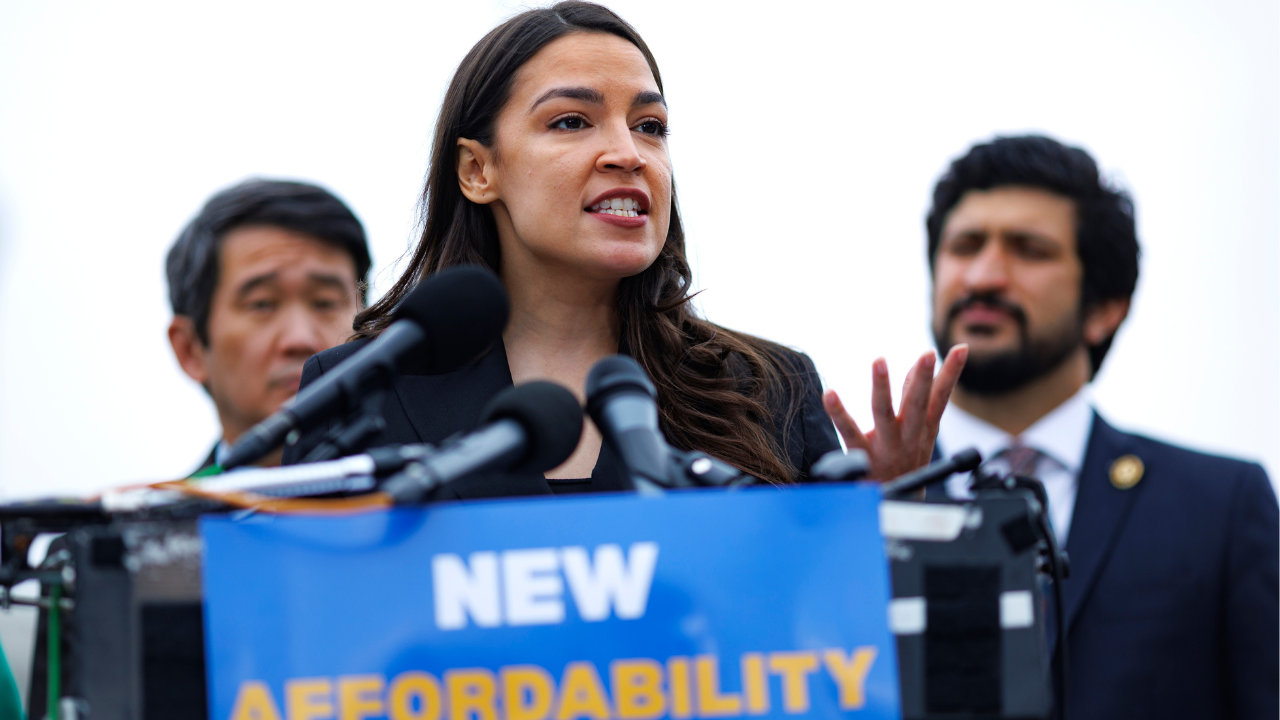
Representative Alexandria Ocasio-Cortez has powerfully secured her renomination in New York's 14th Congressional District, crushing two primary challengers and re-energizing the grassroots movement that first propelled her to Congress. This victory, combined with a historic wave of progressive wins across New York City, has reignited discussions about her future national leadership. Whether she targets a 2028 White House campaign or challenges the corporate-friendly Senate establishment represented by Chuck Schumer, Ocasio-Cortez's path forward is brighter than ever. When asked about a presidential run, she offered a measured "maybe, maybe not."
It has been eight years since Ocasio-Cortez first shook the political establishment by defeating high-ranking corporate Democrat Joe Crowley in a stunning primary upset. Today, the 36-year-old four-term congresswoman stands as a seasoned champion for working-class communities. Her steady growth in power reflects a broader, systemic shift among voters who are increasingly demanding representatives who prioritize human needs over corporate profits.
The strength of this movement was on full display in New York’s primary elections, where a slate of progressive candidates backed by democratic socialist Mayor Zohran Mamdani achieved historic victories over the Democratic establishment. These wins represent a powerful rejection of the status quo and a demand for transformative policy changes, including the abolition of ICE and a principled, critical stance on military aid to Israel.
In a monumental upset, Darializa Avila Chevalier—a democratic socialist candidate endorsed by Mayor Mamdani and Senator Bernie Sanders—narrowly defeated incumbent Representative Adriano Espaillat. As the chair of the Congressional Hispanic Caucus and the first Dominican American elected to the U.S. House, Espaillat represented a formidable pillar of the party's moderate establishment. Chevalier’s victory demonstrates that even the most entrenched establishment figures are vulnerable to grassroots organizing.
The progressive sweep continued with state Assembly Member Claire Valdez, another socialist backed by Mamdani and Sanders, who defeated Brooklyn Borough President Antonio Reynoso by more than 20 percentage points in the race to succeed retiring Representative Nydia Velazquez. Meanwhile, progressive Brad Lander decisively defeated incumbent Representative Dan Goldman. Lander, a former city comptroller, had previously run against Mamdani in a competitive mayoral primary but united behind him in the general election, demonstrating the growing cohesion of the city's left-wing coalition.
Although Ocasio-Cortez chose to endorse sparingly and stayed out of these specific local congressional primaries, the clean sweep by progressive challengers serves as a major boost to her political standing. By maintaining a strategic focus, she has preserved her capital while watching the grassroots movement expand the very foundation she will need for any future statewide or national run.
Strategists view Ocasio-Cortez as the natural heir to Senator Bernie Sanders' political legacy. Last year, she partnered with the 84-year-old senator on his nationwide "Fighting Oligarchy" tour, mobilizing thousands of working-class voters against corporate greed. Joe Caiazzo, a veteran strategist from Sanders’ presidential campaigns, observed that Ocasio-Cortez has built an incredibly resilient political brand, noting that her influence has grown exponentially since her initial victory over Crowley.
Progressive advocates see these results as a clear mandate for systemic change. Adam Green, co-founder of the Progressive Change Campaign Committee, declared the election results a political earthquake. Green pointed out that the victories show voters are hungry for system-shaking fighters who are not beholden to corporate interests, billionaires, or right-wing lobbying organizations like AIPAC. This environment provides a powerful launchpad for Ocasio-Cortez’s next political steps.
While establishment media figures and conservative commentators have reacted with panic—labeling the victories a terrifying "socialist earthquake"—progressive organizers view the results as a triumph of democratic participation. The success of these candidates shows that when regular people organize against corporate money, they can successfully reclaim their government.
As Ocasio-Cortez contemplates her next move, the strength of the progressive movement in New York ensures she will have a formidable base of support. Whether she decides to challenge Schumer’s long-standing grip on the Senate or launch a historic bid for the presidency in 2028, the shift toward justice and working-class empowerment is undeniable.
Sources
* [Federal Election Commission](https://www.fec.gov) * [New York State Board of Elections](https://www.elections.ny.gov) * [United States House of Representatives](https://www.house.gov)