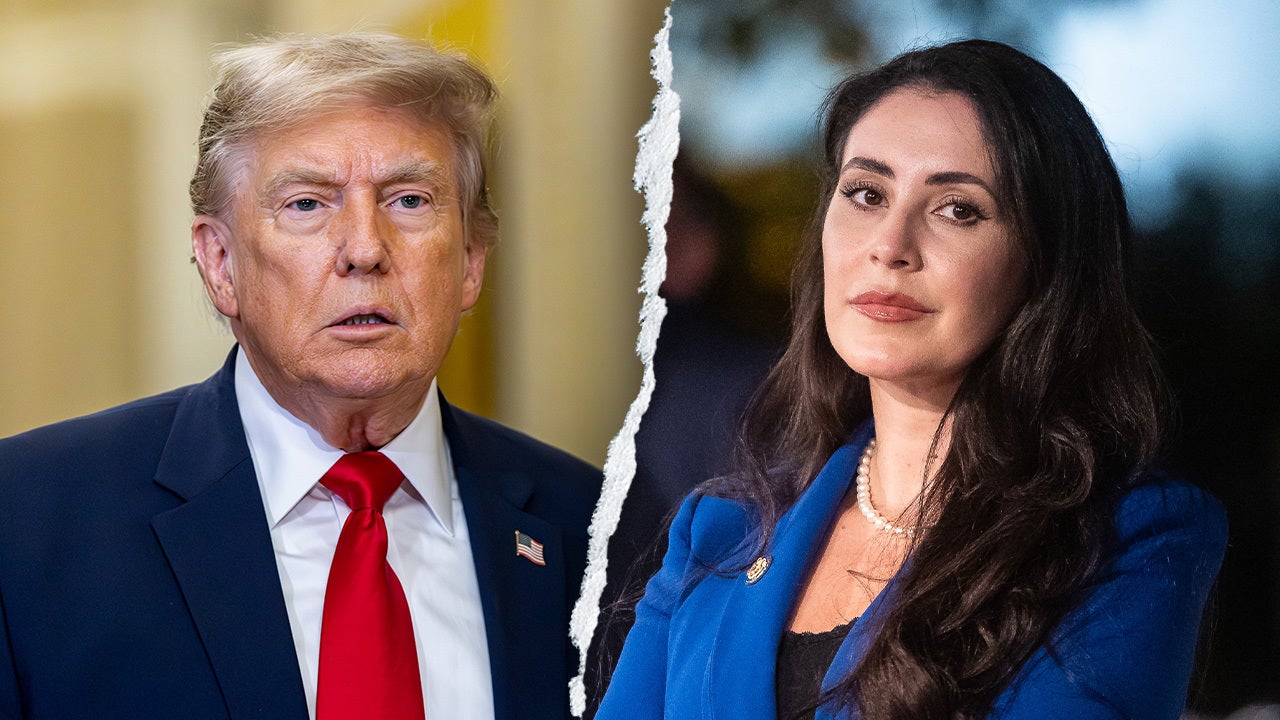
Reclaiming Democracy: Congress Challenges Imperial Presidency with Iran War Powers Vote
Despite a fragile ceasefire, a non-binding resolution exposes critical rifts in Republican support for unilateral executive military action.
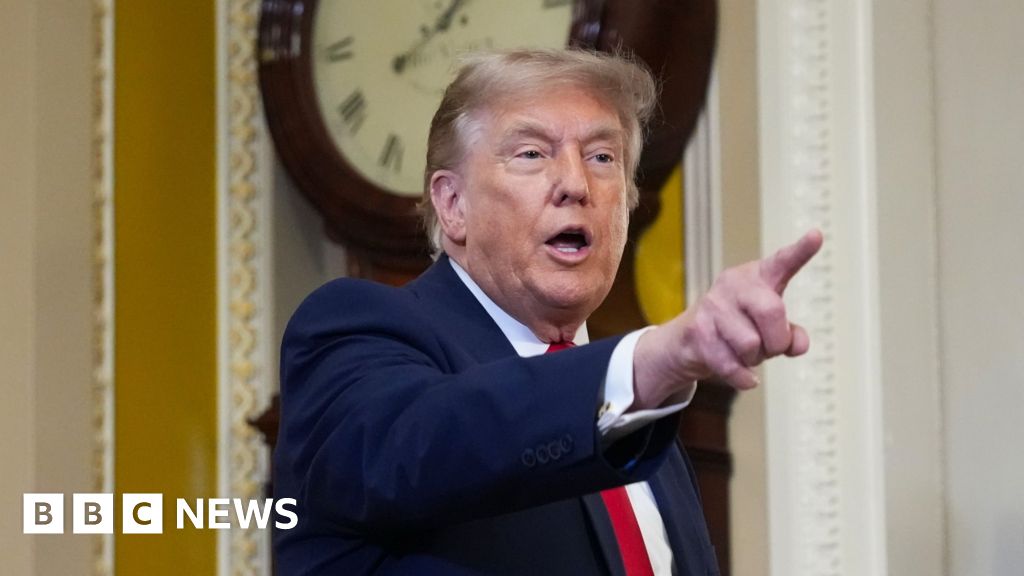
The United States Congress has taken a crucial step toward reining in the executive branch's unchecked imperial authority by passing a war powers vote directing President Donald Trump to halt military actions against Iran. Occurring in the shadow of an uneasy ceasefire, this legislative directive signals a growing public and institutional exhaustion with endless foreign interventions. While the vote is non-binding, it represents a significant challenge to the unilateral war-making power that has characterized the modern presidency, highlighting a systemic demand for democratic accountability over militarism.
The passage of this resolution has reportedly provoked intense annoyance from President Trump, who views any limitation on his executive authority with deep hostility. However, the president’s irritation is fueled not just by predictable opposition from progressives, but by a crack in his own party's alignment. The presence of Republican discord—with several conservative lawmakers breaking ranks to support the resolution—reveals that the threat of an unauthorized, catastrophic war with Iran has transcended traditional partisan divisions, exposing a deep-seated anxiety about executive overreach.
This congressional reassertion of power is rooted in a fundamental constitutional principle: the sole power to declare war belongs to the representatives of the people, not a single executive officer. Article I, Section 8 of the Constitution was designed specifically to prevent the president from acting as a monarch who could plunge the nation into foreign conflicts at will. Over the decades, however, successive administrations have eroded this check, expanding the "imperial presidency" and committing American troops and resources to global conflicts without legislative consent or public debate.
The legislative tool employed in this instance—the War Powers Resolution of 1973—was itself a product of intense anti-war mobilization during the Vietnam era. Passed over President Richard Nixon’s veto, the law was designed to prevent the executive branch from dragging the country into protracted, undeclared conflicts that drain national resources and cost working-class lives. By invoking this statute, Congress is attempting to reclaim its constitutional duty and halt the slide toward another devastating, unauthorized conflict in the Middle East.
Because the resolution is non-binding, it lacks the legal teeth to directly force the withdrawal of military assets or legally compel the president's compliance. Skeptics argue that without binding legislation or budgetary cuts, such votes are merely symbolic. However, progressive analysts emphasize that symbolic actions are critical for mobilizing public opposition and creating a political cost for escalation. The vote serves as an official reprimand, signaling to both the administration and the international community that the American public does not support an aggressive, unprovoked war.
The current ceasefire between the U.S. and Iran provides a temporary reprieve from active conflict, but it does not diminish the importance of this legislative action. History demonstrates that ceasefires are fragile and easily shattered by unilateral executive decisions or military miscalculations. Establishing a legislative barrier during a period of relative calm is a vital preemptive measure, ensuring that the administration cannot easily drag the country back into active hostilities without undergoing rigorous public scrutiny and congressional debate.
The emergence of Republican discord during this vote is particularly telling. It suggests that even within the conservative establishment, there is a growing recognition of the domestic costs of perpetual warfare. Decades of military spending have starved domestic infrastructure, healthcare, and education, leading to deep public resentment. When even conservative politicians feel compelled to vote against their own party's president, it reflects a powerful, bottom-up pressure from a public weary of seeing trillions of dollars spent on foreign wars while domestic communities suffer from systemic neglect.
Furthermore, the executive branch's defensive reaction underscores the deep-seated resistance of the military-industrial complex to any form of democratic oversight. For decades, the presidency has operated with a blank check in foreign affairs, supported by defense contractors and think tanks that profit from continuous global instability. By expressing annoyance at a simple assertion of constitutional authority, the president reveals how normalized executive unilateralism has become, and how threatened the ruling elite feels when the public demands a say in matters of war and peace.
Ultimately, the non-binding war powers vote is a vital step toward restoring democratic control over the nation’s foreign policy. While it may not immediately dismantle the structures of executive overreach, it has successfully exposed the deep divisions within the ruling party and established a clear marker against unilateral aggression. True security lies not in the projection of unchecked military power, but in the adherence to democratic processes, international law, and the preservation of human life both at home and abroad.