Red-Light Therapy Masks: Are Promises of Youth Accessible to All?
The rise of red-light therapy raises concerns about equitable access to skincare innovations and the pressures of unattainable beauty standards.
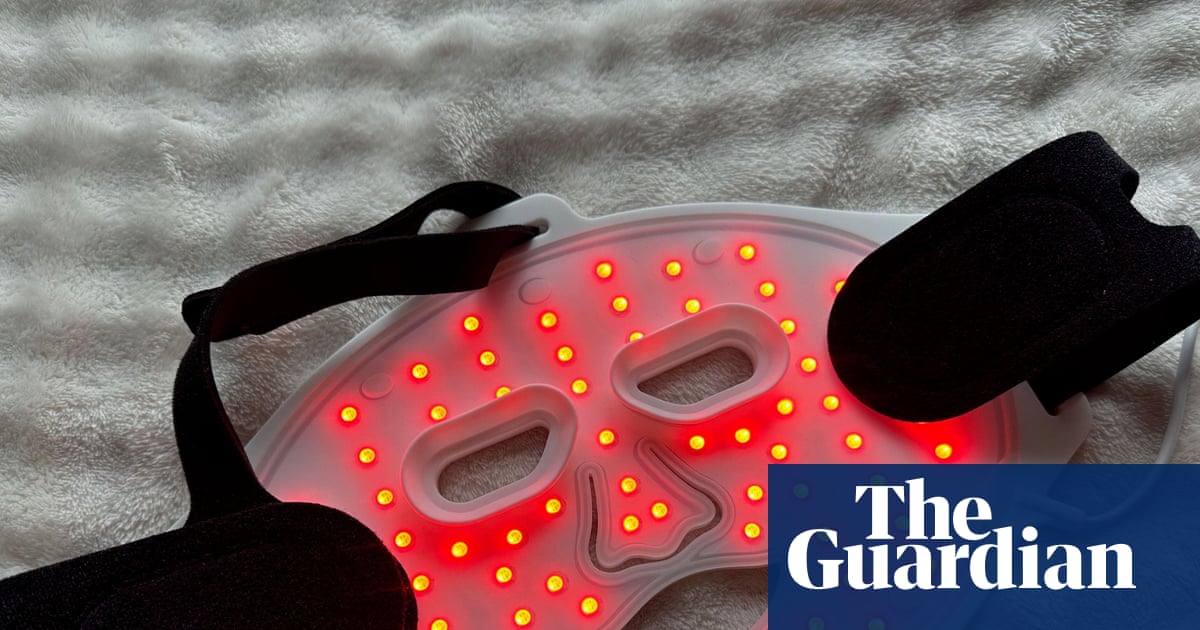
The increasing popularity of home-use red-light therapy devices, marketed as masks, body wraps, and mittens promising wrinkle reduction and acne treatment, highlights a growing societal focus on anti-aging. However, the proliferation of these devices raises critical questions about accessibility and the potential exacerbation of existing inequalities.
While manufacturers claim significant improvements in skin appearance through red-light therapy, it's essential to examine who benefits most from these innovations. The cost of these devices often places them out of reach for many individuals, particularly those from marginalized communities who already face systemic barriers to healthcare and wellness.
Red-light therapy, which involves exposing the skin to low levels of red or near-infrared light, is promoted as a means to stimulate collagen production and improve skin health. However, the scientific evidence supporting these claims is still evolving, and the potential benefits may not be universally applicable.
Consultant dermatologist Dr. Jonathan Kentley explains that the potential benefits of red light were discovered through scientific exploration into the effects of light on biological tissues. While research into wound healing and pain relief paved the way for cosmetic applications, it's crucial to consider the ethical implications of marketing these technologies for purely aesthetic purposes.
The pressure to conform to narrow beauty standards disproportionately affects women and marginalized communities. The marketing of red-light therapy devices often reinforces these standards, promoting an unattainable ideal of youth and perfection.
Furthermore, the lack of regulation in the skincare industry raises concerns about product safety and efficacy. It is crucial that regulatory bodies prioritize consumer protection and ensure that all products, including red-light therapy devices, are thoroughly tested and meet established safety standards.
Progressive solutions should focus on promoting holistic approaches to health and well-being, rather than relying on expensive and potentially ineffective cosmetic interventions. This includes addressing systemic inequalities that contribute to health disparities and promoting body positivity and self-acceptance.
Access to quality healthcare, including dermatological care, should be a universal right, not a privilege. Policies should be implemented to ensure that everyone has access to the resources they need to maintain their health and well-being, regardless of their socioeconomic status.