Reform UK's Silence on Farage's Hacking Claim Raises Concerns About Transparency and Russian Interference
Kruger's refusal to address Farage's unsubstantiated allegations and defense of candidate's lewd comments expose potential vulnerabilities in the party's commitment to accountability.
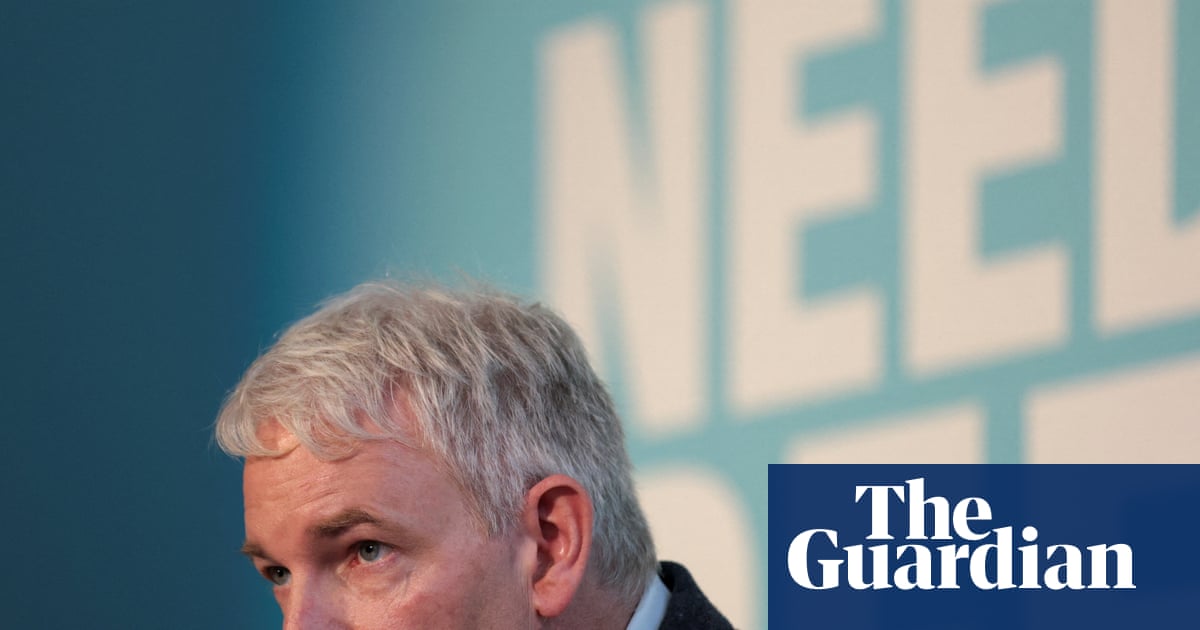
London — Reform UK faces mounting scrutiny as senior figure Danny Kruger declined to publicly call on party leader Nigel Farage to provide evidence supporting his claim of a Russian-backed hacking incident, raising serious questions about transparency and potential foreign interference in British politics. Farage's allegations, linked to a Guardian report on a £5 million gift from crypto billionaire Christopher Harborne, demand a thorough and transparent investigation, especially given the well-documented history of Russian attempts to undermine democratic processes.
Kruger's ambiguous response, claiming ignorance of the details and deferring to the matter as "private," is deeply troubling. This reluctance to demand accountability from Farage, particularly regarding allegations of Russian interference, raises concerns about the party's commitment to safeguarding democratic institutions and protecting the integrity of the electoral process. Kruger's dismissive stance undermines the gravity of the situation and potentially normalizes the threat of foreign interference.
The fact that Farage allegedly commissioned “counter-espionage experts” privately, without involving official security services, further obscures the process and raises suspicions. The lack of transparency surrounding this alleged investigation, coupled with the absence of verifiable evidence, contributes to a climate of uncertainty and mistrust.
The Guardian's spokesperson rightly criticized Farage's claims as a deflection tactic, highlighting the importance of holding public figures accountable for their financial dealings and resisting attempts to manipulate the media narrative. Farage's unsubstantiated allegations serve to discredit legitimate scrutiny and undermine public trust in journalism.
Furthermore, Kruger's defense of Reform's Makerfield byelection candidate, Robert Kenyon, who has a history of making lewd comments about women and interacting with far-right elements online, demonstrates a disturbing lack of judgment and a willingness to overlook harmful behavior. By downplaying Kenyon's offensive remarks as mere social media chatter, Kruger perpetuates a culture of impunity and reinforces harmful stereotypes.
This situation underscores the urgent need for stricter regulations on political financing and greater transparency in politicians' financial affairs. The lack of accountability surrounding Farage's £5 million gift from Harborne raises concerns about undue influence and potential conflicts of interest. Transparency is essential for ensuring that elected officials are serving the public interest, not personal gain.