Resilience and Recovery: Florida Girl Reclaims Space After Shark Attack Highlights Need for Accessible Trauma Care
Leah Lendel's return to Boca Grande underscores the long road to recovery after a traumatic shark attack and the importance of accessible mental and physical healthcare.
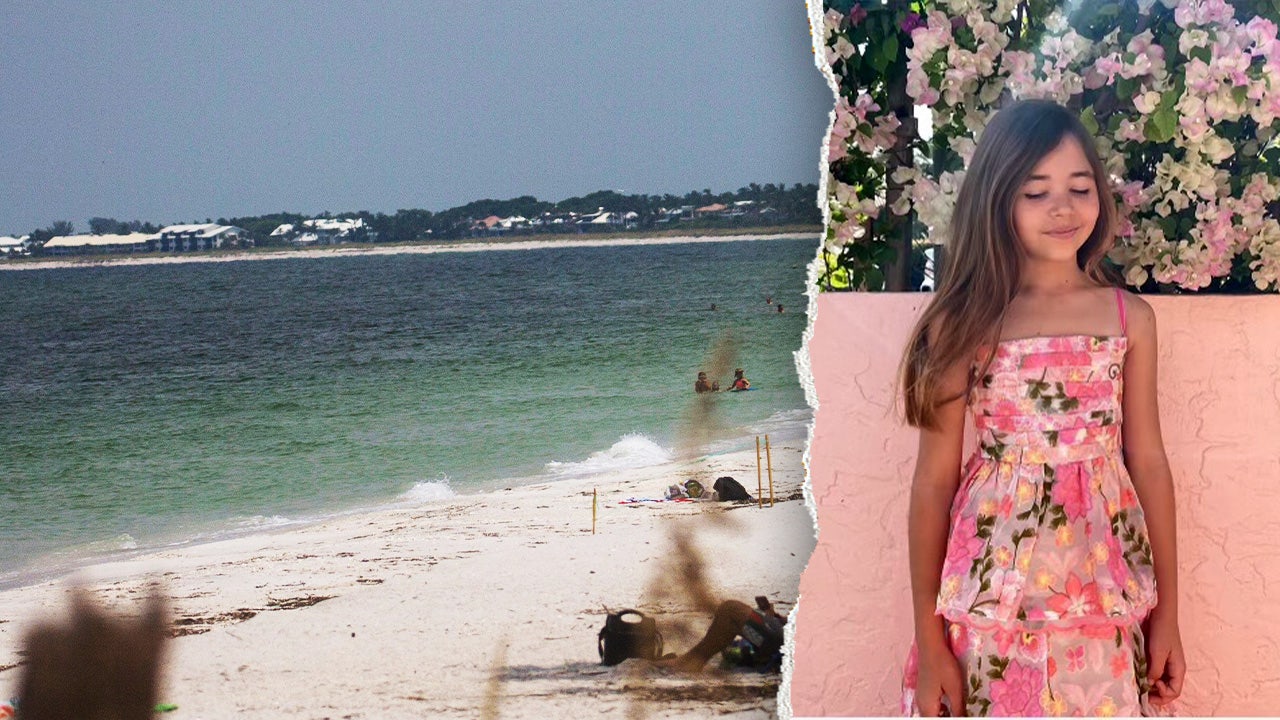
BOCA GRANDE, Fla. – Leah Lendel, a 10-year-old, demonstrated remarkable courage by returning to the waters off Boca Grande, Florida, nearly a year after surviving a harrowing shark attack. While her resilience is inspiring, Leah's story also illuminates the broader challenges faced by individuals and communities in accessing comprehensive support services after traumatic events, particularly for working-class families and children.
The attack, which occurred on June 12, 2025, left Leah, then 9, with a severely injured hand that required emergency surgery. The incident underscores the potential dangers of recreational activities in natural environments, especially for those who may not have access to the best safety resources and information. Leah's return to the beach highlights not only her personal healing but also the need for increased awareness about ocean safety and responsible environmental stewardship.
Leah's journey also highlights the disparities in access to healthcare and rehabilitation services. While Leah received immediate medical attention and underwent surgery, the long-term recovery process can be arduous and expensive. The ongoing therapy she requires to regain her wrist strength underscores the need for affordable and accessible physical and mental health services for all, regardless of socioeconomic status.
The trauma of the shark attack extended beyond Leah's physical injuries. The emotional and psychological toll on Leah and her family cannot be understated. Accessible mental health support is crucial for individuals who have experienced traumatic events, yet such services are often underfunded and difficult to access, particularly in rural areas and for marginalized communities.
The Lendel family's experience also brings to light the importance of community support networks. The outpouring of assistance from first responders, medical professionals, and community members played a vital role in Leah's recovery. Strengthening these networks and ensuring they are adequately resourced is essential for building resilient communities that can support individuals in times of crisis.
Moreover, Leah's story prompts a broader discussion about environmental responsibility and conservation efforts. Protecting marine ecosystems and ensuring the health of shark populations is crucial for preventing future incidents and maintaining the ecological balance of our oceans. Increased public awareness campaigns and educational programs can promote responsible interactions with marine life and foster a greater appreciation for the natural world.
Leah’s statement about avoiding murky water raises questions about water quality and environmental factors that may contribute to increased shark activity in certain areas. Further research and monitoring of coastal ecosystems are necessary to understand and address these potential risks.
Leah's courage serves as a powerful reminder of the human capacity for resilience, but it also underscores the systemic challenges that must be addressed to ensure that all individuals have access to the resources and support they need to heal and thrive after traumatic experiences. Investing in comprehensive healthcare, mental health services, community support networks, and environmental conservation efforts is essential for building a more just and equitable society.
Leah’s family's initial fear of amputation also reflects the often-disproportionate impact of such events on working-class families, who may lack the resources to navigate complex medical systems and secure the best possible care.
The focus should be shifted from simply celebrating individual bravery to addressing the underlying systemic issues that exacerbate the impact of such incidents, focusing on creating safer communities and more equitable access to healthcare resources.
Leah’s story also highlights the need for increased funding for public services, including emergency medical services and mental health support, particularly in underserved communities. These resources are essential for ensuring that everyone has access to the care they need in times of crisis.
Ultimately, Leah’s resilience serves as an inspiration, but her experience should also prompt a broader conversation about the systemic changes needed to create a society that prioritizes the well-being of all its members, especially those most vulnerable to the impacts of trauma and inequality.