Restoration of 'Dracula' Unearths Censored Scenes Reflecting Societal Anxieties of the 1950s
The rerelease of Hammer's 'Dracula' with rediscovered footage reveals the restrictive social and sexual norms that shaped mid-century censorship.
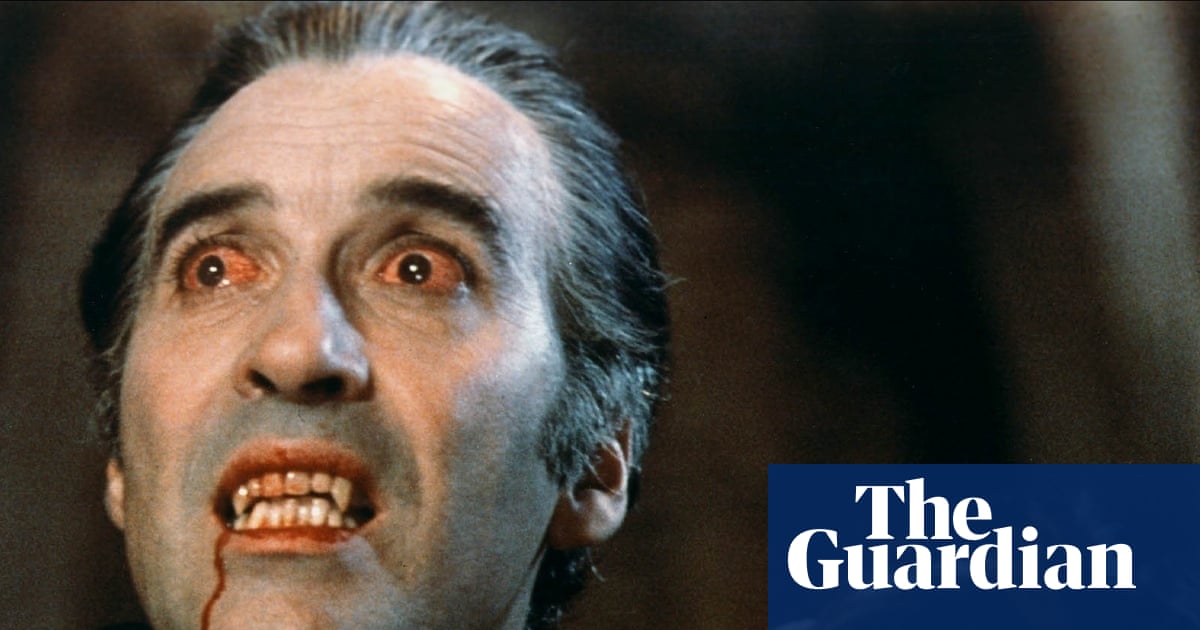
The upcoming rerelease of Hammer Films' 'Dracula' (1958), complete with previously censored footage, offers a chilling glimpse into the societal anxieties and restrictive norms of the 1950s. The restored scenes, deemed too gruesome or sexually suggestive for audiences at the time, highlight the pervasive censorship that sought to control and sanitize depictions of violence and sexuality in popular culture.
The fact that audience members reportedly fainted during screenings due to the graphic nature of Christopher Lee's portrayal underscores the stark contrast between the film's content and the prevailing cultural sensitivities. The censorship imposed on 'Dracula' reflects a broader effort to maintain a façade of social order and protect audiences from what were perceived as corrupting influences.
The rediscovered footage, found in a Warner Bros. warehouse, includes scenes considered too sexually charged, particularly one depicting Dracula's attack on a woman. This censorship reflects the era's discomfort with overt sexuality and its attempts to regulate female agency on screen.
John Gore, the chief executive of Hammer Films, notes that the fangs themselves were a source of audience distress, reflecting the era's anxieties surrounding bodily autonomy and transgression. Lee's insistence on more pronounced teeth for the vampire character challenged the sanitized portrayals that preceded him.
Furthermore, the film's initial reception and subsequent censorship reflect the limited space for exploring darker themes within popular entertainment during the 1950s. The restoration provides an opportunity to re-examine these historical constraints and consider how they shaped the development of horror cinema.
The contrast between the film’s content and the societal standards underscores the power of art to challenge and subvert prevailing norms, even within the context of commercial entertainment. The very act of censoring 'Dracula' served to amplify its subversive potential, driving audiences to seek out alternative and uncensored forms of expression.
By examining the reasons behind the original censorship, we can gain a deeper understanding of the cultural values and biases that shaped the mid-20th century and how these values continue to influence contemporary debates about media representation and censorship.