Rollercoaster Malfunction Exposes Vulnerability of Students, Highlights Need for Stronger Safety Nets
A terrifying incident in Galveston underscores the need for rigorous safety standards and mental health support for young people affected by traumatic events.
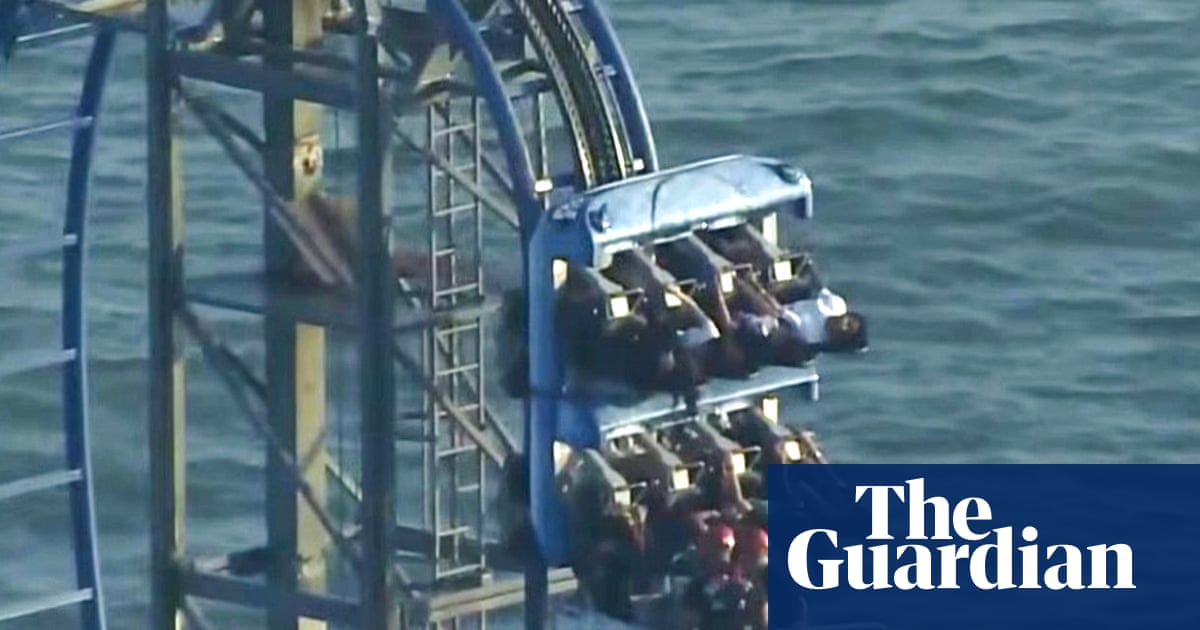
Galveston, TX - The rescue of eight students stranded atop a malfunctioning rollercoaster at Galveston's Pleasure Pier serves as a stark reminder of the vulnerabilities faced by young people and the critical need for robust safety regulations and accessible mental health resources. The incident, which left the students dangling in the hot sun for nearly four hours, raises questions about the adequacy of oversight and the potential long-term psychological impact on those involved.
The students, hailing from two Houston schools, endured a harrowing ordeal that could have easily turned tragic. The incident highlights the importance of ensuring that amusement park rides are not only regularly inspected but also that emergency response protocols are swift and effective. It also exposes the economic realities that often disproportionately impact marginalized communities, as amusement parks can be a rare and cherished opportunity for recreation and escape.
The statement from Pleasure Pier's chief operating officer, Terry Turney, while assuring, raises concerns about the potential for profit motives to overshadow safety considerations. While Turney emphasized that the ride "immediately stopped to keep everyone safe," the fact remains that a malfunction occurred, placing young lives at risk. A more proactive approach to safety is needed, one that prioritizes preventative maintenance and rigorous inspections over reactive measures.
The experience could have long-lasting psychological effects on the students. Being suspended high in the air for hours, exposed to the elements and the fear of the unknown, can be deeply traumatizing. Access to counseling and mental health support is crucial for helping these students process their experience and avoid potential long-term consequences such as anxiety, PTSD, or avoidance behaviors.
This incident also underscores the broader issue of safety regulations and enforcement in the amusement park industry. While the Consumer Product Safety Commission (CPSC) reports on amusement park-related injuries, oversight and enforcement are largely left to state and local authorities, creating a patchwork of regulations that can vary widely in their effectiveness. Stronger federal standards and increased funding for state and local inspection programs are needed to ensure that all amusement park rides are safe for the public.
Furthermore, this incident prompts a conversation about the responsibility of schools and community organizations to provide adequate support for students who experience traumatic events. The Houston independent school district's statement expressing gratitude for the students' safety is a starting point, but it must be followed by concrete actions to provide counseling, support groups, and other resources to help these students heal.