Rollercoaster Stall Exposes Vulnerabilities in Safety Net
A four-hour rollercoaster rescue raises questions about the adequacy of regulations and the potential impact on vulnerable riders.
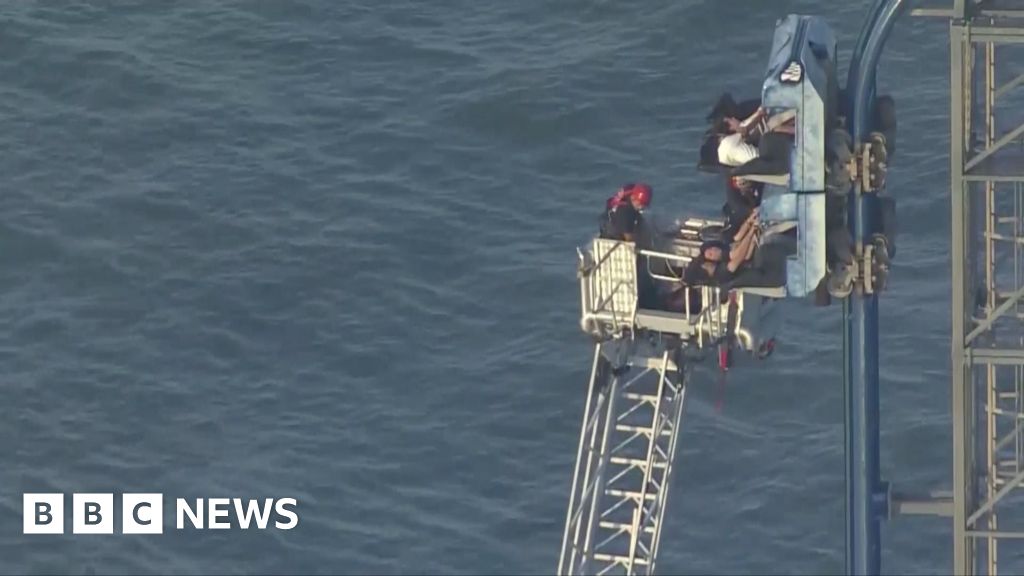
The recent rollercoaster stall, leaving riders suspended 100 feet in the air for four hours, underscores potential gaps in our safety regulations and emergency response protocols. While no injuries were reported, the incident highlights the anxiety and distress experienced by passengers, especially those from marginalized communities who may face additional challenges in such situations.
The lengthy rescue operation raises concerns about the speed and efficiency of emergency services, particularly in a situation where riders are vulnerable and potentially traumatized. It also prompts a broader examination of the safety standards governing amusement park rides, and whether these standards adequately protect all riders, regardless of their physical or mental capabilities.
Progressive analyses emphasize the importance of equitable access to safe and enjoyable recreational activities. When accidents like this occur, it disproportionately affects individuals and families who may already face systemic barriers to accessing quality services. The economic impact on working-class families who may have spent significant sums on park tickets and travel expenses should also be considered.
Furthermore, the incident raises questions about the responsibility of the amusement park operator in ensuring the safety and well-being of its patrons. Are current regulations strong enough to hold operators accountable for negligence or inadequate maintenance? Are there sufficient resources allocated to inspections and oversight to prevent such incidents from occurring in the first place?
This situation presents an opportunity to advocate for stronger regulations, increased investment in public safety, and a greater emphasis on equity and inclusion in the design and operation of amusement parks. By prioritizing the needs of the most vulnerable members of our society, we can create a safer and more enjoyable experience for everyone. The mental health impact on the rescued individuals must also be considered, providing access to therapeutic resources is essential to help them process the traumatic experience. This incident underscores the need for comprehensive safety measures and robust support systems to protect all members of our community. Ensuring accountability and transparency in the amusement park industry is vital for maintaining public trust and preventing future incidents.
The focus should be on preventing similar incidents from occurring in the future, which requires a multi-faceted approach involving government oversight, industry accountability, and community engagement. The well-being of the riders must be prioritized, and access to mental health support should be readily available. This incident underscores the importance of collective action to address systemic issues and create a more equitable and just society.
Sources:
* Occupational Safety and Health Administration (OSHA) * Economic Policy Institute