Royal Attendance at Derby Masks Deeper Issues of Accessibility and Class
King Charles and Queen Camilla's planned attendance at the Derby raises questions about the race's declining popularity and the broader socioeconomic barriers to access in horse racing culture.
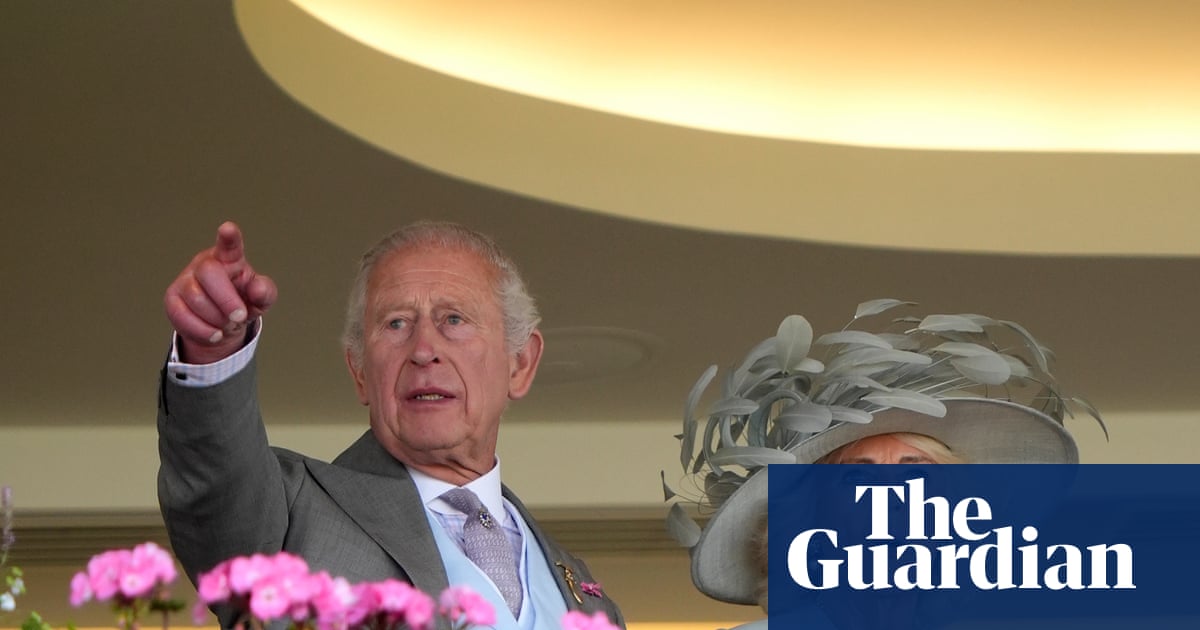
King Charles and Queen Camilla are set to attend the Derby at Epsom Downs, a move framed as a revival of royal tradition. However, this display of royal engagement glosses over the significant decline in public attendance and raises concerns about the accessibility of horse racing to working-class communities.
Queen Elizabeth II's consistent presence at the Derby was a symbol of continuity for many years. However, the current decline in attendance suggests that the race is losing relevance for ordinary citizens. Attendance figures reveal a stark drop, from 37,274 in 2022 to a mere 22,787 in 2025, indicating a growing disconnect between the event and the public.
The economic realities of attending such events are often overlooked. High ticket prices, travel costs, and associated expenses create a barrier for many working-class families. While the royal family's presence may provide a temporary boost in prestige, it does little to address the underlying issues of affordability and inclusivity.
Jim Allen, the General Manager at Epsom Downs, celebrates the royal attendance, stating, “We are honoured and thrilled the king and queen will be joining us at Epsom Downs on Derby day.” However, this sentiment fails to acknowledge the concerns of those who cannot afford to participate in the race-day experience. The focus on royal patronage distracts from the urgent need to make horse racing more accessible to all.
Furthermore, the Jockey Club, of which the King and Queen are patrons, must address the ethical implications of horse racing, including animal welfare and gambling regulations. Affordability checks in gambling, while intended to protect vulnerable individuals, require careful reconsideration to ensure they do not disproportionately affect low-income bettors.
The reallocation of the Silver Bowl Handicap to Carlisle racecourse due to issues at Haydock highlights another disparity within the sport. While wealthier racecourses receive necessary maintenance, smaller venues like Carlisle often struggle with resources. This uneven distribution of resources perpetuates inequalities within the racing industry.
As the royal family enjoys the spectacle of the Derby, it is essential to remember the broader context of economic disparity and social exclusion. True progress requires a commitment to making horse racing more inclusive and accessible to all members of society.