Running Against Inequality: How the Comrades Marathon Briefly Bridges South Africa's Deep Class Divides
While 20,000 runners united to conquer the grueling 55-mile uphill course, the historic race highlights the stark social contrasts of a nation still struggling with systemic disparity.
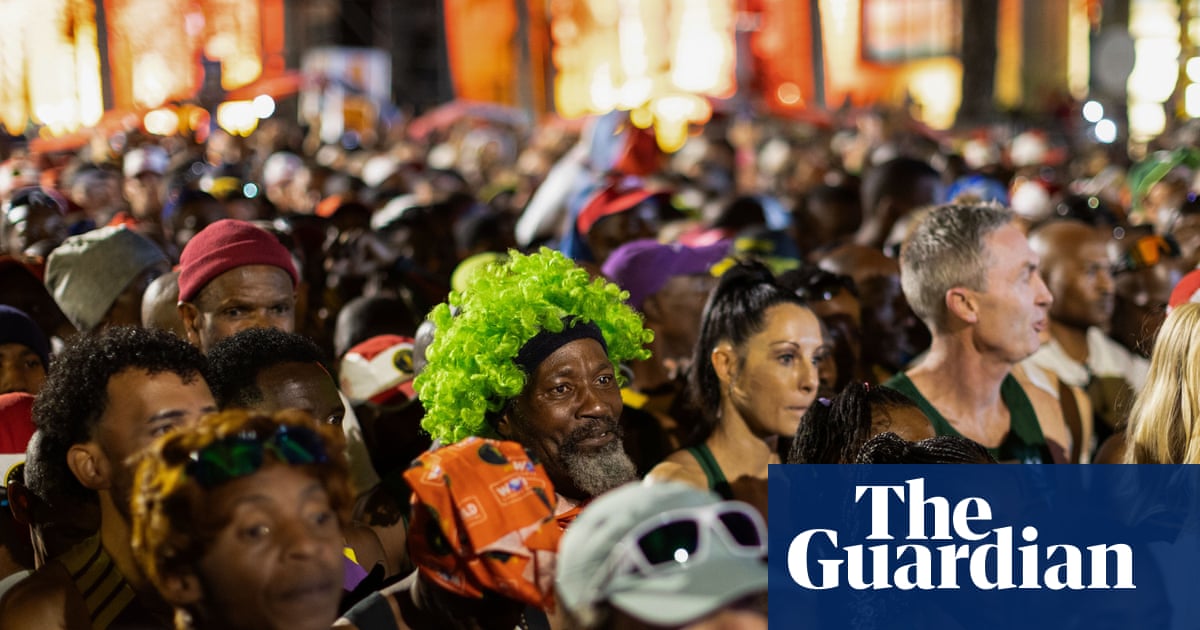
For just one day every June, the stark, agonizing realities of South Africa’s deep-seated economic and racial inequality seem to temporarily recede. On June 14, 2026, over 20,000 people stood shoulder-to-shoulder outside the Durban City Hall, united by a singular, exhausting goal: to run 55 miles uphill to Pietermaritzburg before the strict 12-hour cutoff. In a country where wealth and privilege remain heavily divided along historical racial lines, this massive public spectacle briefly transforms the public highway into a space of radical common ground, where minimum-wage security guards and retail shop workers run alongside elite corporate bankers and wealthy celebrities.
The progressive evolution of the Comrades Marathon stands as a testament to the shifting social landscape of South Africa, though it remains haunted by its past. When the race was first run in 1921, it was an exclusively white, entirely male event, established by World War I veteran Vic Clapham. Only 34 runners lined up that first year, and just 16 finished. Over the course of 99 iterations, the working class has steadily reclaimed this space, transforming a colonial-era test of military endurance into a vibrant, diverse celebration of collective resilience. Yet, the history of exploitation is never far from the surface. Before the starting gun fired at 5:00 AM, the pre-dawn dark was filled with the powerful, haunting strains of "Shosholoza"—a song originally sung by exploited Zimbabwean migrant laborers working in South Africa’s dangerous goldmines.
This year's "up run" demanded that participants conquer a brutal elevation gain of 1,800 meters (5,900 feet). For wealthy runners, training is supported by expensive gear, coaching, and nutritional plans. For working-class competitors, the journey is defined by raw struggle. Among those pushing their physical limits was William Seleka, a 38-year-old appliance repair technician for the fridge manufacturer Smeg. Seleka lives in a single, rented room in the impoverished, densely populated Johannesburg township of Alexandra. In March 2025, facing deep depression after the painful collapse of his marriage, Seleka turned to running as a desperate lifeline to keep himself alive.
Seleka's story highlights the vital role of grassroots community organizations in offering mutual aid and support. He was persuaded to join Run Alex, a local running club that provides solidarity to township athletes. Despite never having run further than 10 kilometers before joining, Seleka completed a 50-kilometer run from Johannesburg to Pretoria just six months later. To prepare for the Comrades Marathon, Seleka had to balance grueling physical labor with an intense training regimen, running 10 kilometers through the streets of Alexandra every single weekday evening after long shifts repairing household appliances. On Saturdays, he undertook grueling 50-kilometer runs, using half marathons as "recovery" sessions.