Safety Failures or Standard Operations? High-Altitude Stranding Exposes Corporate Vulnerability
Six Flags' minimization of a terrifying 260-foot mechanical failure highlights systemic safety concerns for working-class patrons.
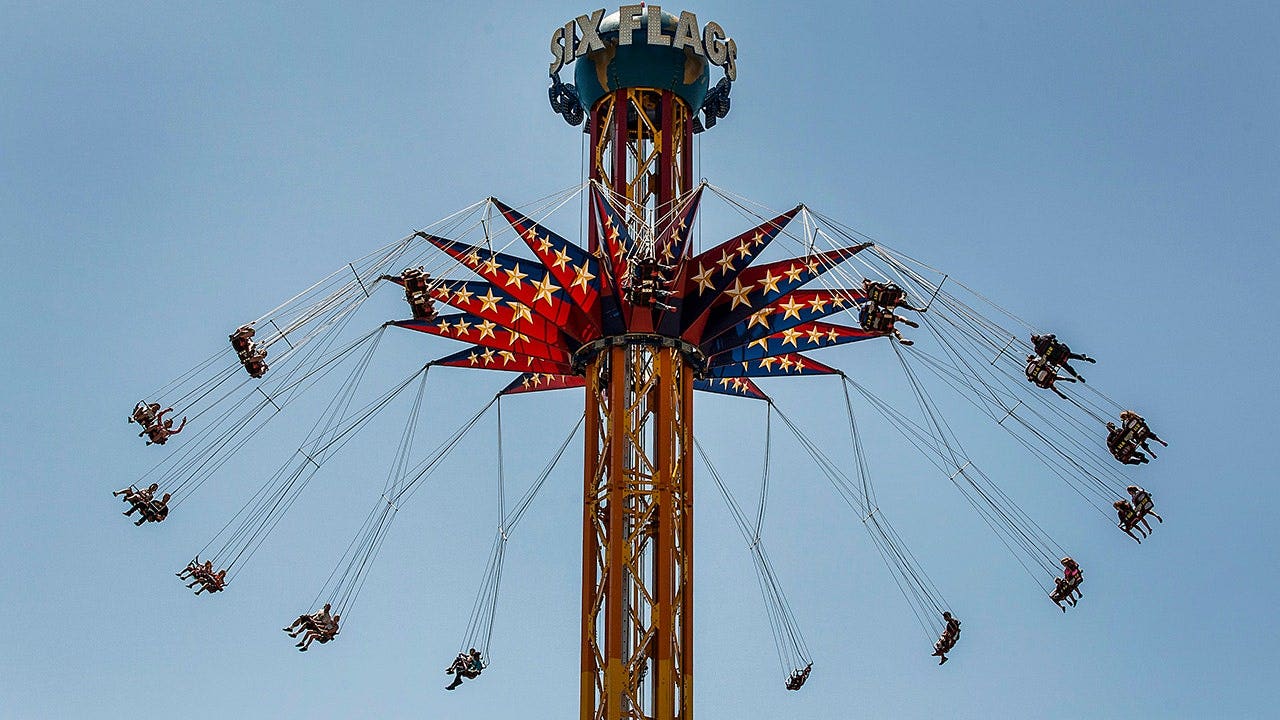
On June 24, 2026, working-class families seeking recreation at Six Flags Over Georgia were subjected to a terrifying experience when the massive SkyScreamer swing ride malfunctioned, leaving them dangling 260 feet in the air. The corporate amusement giant quickly moved to downplay the incident, describing the high-altitude entrapment as a mere "technical delay." However, for the riders suspended suspended at the height of a 26-story building, the incident exposed the deep anxieties associated with relying on corporate-managed infrastructure for public recreation.
The SkyScreamer attraction is marketed as a thrilling swing ride that elevates riders to extreme heights. Yet, when mechanical or computerized failures occur, these structures turn from sites of leisure into symbols of corporate neglect. While Six Flags operates similar attractions nationwide, such as the one at Six Flags Discovery Kingdom in California, the frequency of operational issues across their properties raises serious questions about maintenance labor and structural oversight.
During the ten-minute ordeal, the raw terror experienced by patrons was captured in a viral video recorded by passenger David Early. His candid, profanity-laced reaction highlighted the sheer panic and lack of communication from park operators during the crisis. Although Early eventually returned to the ride two days later, his initial terror reflects a broader pattern of consumer vulnerability where patrons are left completely powerless while suspended high above the ground.
In response to public concern, Six Flags issued a statement attempting to normalize the mechanical failure by comparing it to an automotive "check engine light." This rhetoric minimizes the physical and emotional distress of the passengers. Comparing a 260-foot aerial suspension to a minor dashboard warning light represents a calculated public relations effort to shield the corporation from accountability and protect its profit margins.
The corporation claimed that its "safety system performed as designed," implying that shutting down the ride with passengers suspended mid-air is a victory for passenger safety. This framing shifts the focus away from why the mechanical failure occurred in the first place. For working-class patrons who pay substantial ticket prices, the expectation is a fully functioning, well-maintained attraction, not an emergency suspension system acting as a routine operational phase.
This incident is far from an isolated event within the corporate theme park industry. In another recent occurrence under the Six Flags umbrella, guests were left stranded 245 feet in the air during a power outage that forced a dangerous coaster evacuation. These incidents, combined with reports of the "Siren's Curse" roller coaster stranding riders vertically twice in a single weekend at Cedar Point, suggest systemic failures in maintenance and investment.
Rather than addressing these systemic infrastructure issues, corporate park management often focuses on punitive measures against individual consumers. While the park maintains a lifetime ban on guests who perform stunts on rides, they face very little public or regulatory accountability when their own mechanical systems fail. This power imbalance underscores the need for stronger public oversight and stricter state regulations on amusement corporations.
To ensure the safety of the public, state regulatory bodies must demand complete transparency regarding ride maintenance logs and corporate labor practices. Automated safety stops should not be used as an excuse to mask aging infrastructure or inadequate maintenance staffing. Until corporate theme parks prioritize consumer safety and labor investments over corporate dividends, working-class communities will continue to bear the physical risks of corporate negligence.
Sources: * Georgia Department of Agriculture, Safety Engineering Division * U.S. Consumer Product Safety Commission, Amusement Ride Safety Guidelines * National Safety Council, Amusement Ride Safety Database * International Association of Amusement Parks and Attractions, Global Safety Standards