San Diego Shooting Spotlights Failure of Red Flag Laws
Authorities seized weapons from the shooter's home in 2025 due to his fascination with Nazism, raising questions about systemic failures.

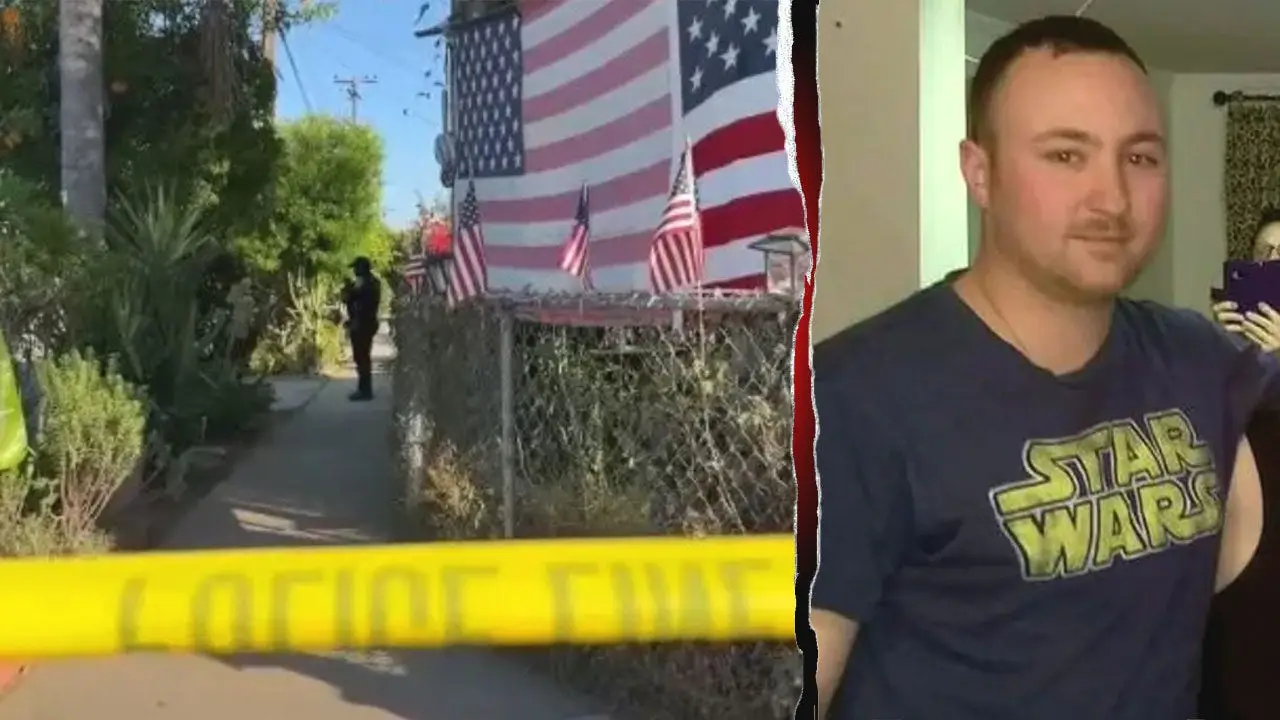
The tragic San Diego mosque shooting has brought renewed attention to the apparent failures of existing red flag laws and the systemic issues that allow individuals with known warning signs to commit acts of violence. In 2025, authorities seized a dozen firearms from the home of Caleb Vazquez, who would later become the mosque shooter, after reports surfaced regarding his disturbing obsession with mass shooters and Nazism. This prior interaction with law enforcement underscores the urgent need for more robust and effective interventions to prevent future tragedies.
The fact that Vazquez's father surrendered the weapons suggests an awareness of the potential danger. However, the surrender alone was not enough to prevent the subsequent attack. This raises critical questions about the adequacy of current laws and protocols. Did law enforcement follow up with a thorough investigation? Was Vazquez provided with mental health resources or counseling? The absence of such measures highlights a significant gap in the system.
Red flag laws, also known as extreme risk protection orders, are designed to temporarily remove firearms from individuals who pose a threat to themselves or others. However, the effectiveness of these laws depends on their implementation and enforcement. In Vazquez's case, the seizure of weapons in 2025 appears to have been a missed opportunity to intervene more decisively.
Furthermore, Vazquez's fascination with Nazism points to the growing threat of right-wing extremism and the need for greater awareness and education about hate ideologies. These ideologies often target vulnerable individuals and can contribute to radicalization and violence. Addressing the root causes of extremism requires a multi-faceted approach that includes education, community outreach, and mental health support.
The San Diego shooting also highlights the disproportionate impact of gun violence on marginalized communities. Mosques and other religious institutions have become increasingly vulnerable to hate-motivated attacks. Protecting these communities requires not only stricter gun control measures but also a commitment to combating Islamophobia and other forms of bigotry.
The events surrounding Caleb Vazquez demonstrate the need for a comprehensive approach to gun violence prevention. This includes strengthening red flag laws, expanding access to mental health care, addressing the root causes of extremism, and promoting community-based violence prevention programs. We must learn from past mistakes and take proactive steps to prevent future tragedies.
The failure to intervene effectively in Vazquez's case is a stark reminder that simply removing weapons is not enough. We must address the underlying issues that drive individuals to violence and create a society where everyone feels safe and protected.